

In the heart of Kanchipuram, the city of thousand temples, dwells the radiance of the Supreme Mother, Devi Kamakshi, the all-compassionate yet all-powerful form of Shakti. Revered as the embodiment of beauty, wisdom, desire, fertility, and supreme consciousness, Kamakshi Devi is not just a goddess, she is the very womb of creation, the one whose glance awakens love, and whose silence dissolves even the fiercest of forces.
Seated in yogic stillness within the sacred Kamakshi Amman Temple, she is worshipped as a form of Tripura Sundari, the queen of all three worlds and the heart of Sri Vidya worship. Her name, Kamakshi, means “she whose eyes awaken desire” but in her gaze lies the power not only to attract but also to liberate.
From Vedic legends to tantric scriptures, from saints and scholars like Adi Shankaracharya to local devotees offering lemons and milk, Kamakshi’s presence is alive, mystical, and deeply transformative.
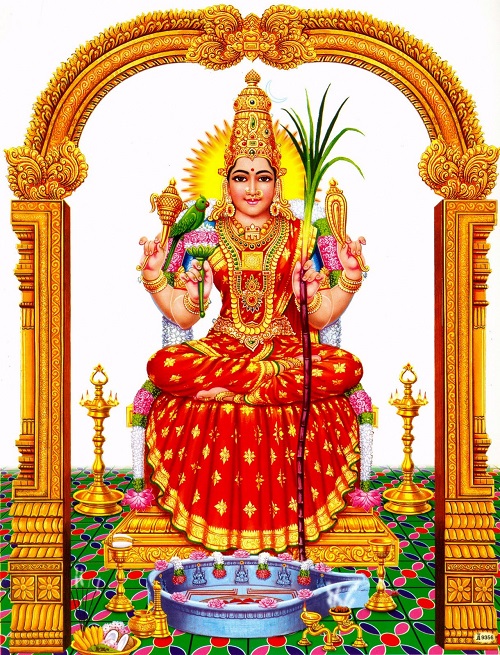
Who is Devi Kamakshi?
Devi Kamakshi is venerated as the sovereign goddess of Kanchipuram, a divine form of Goddess Parvati and an incarnation of Tripura Sundari, the ultimate cosmic beauty and the Shakti of all three worlds. She represents the union of knowledge (Saraswati), wealth (Lakshmi), and power (Durga), all residing within her divine form.
In South India, she is worshipped as Kamakshi Amman, while in the East, she is honoured as Kamakhya Devi. Though these names differ by region, the essence remains the same, a goddess whose gaze contains both desire and transcendence.
Kamakshi is also known as Raja Rajeshwari, the queen of kings, embodying the Supreme Parasakti, which is why no separate Shakti shrine exists within Shiva temples in Kanchipuram, for She herself is the complete divine feminine presence of the region.
Divine Significance of Devi Kamakshi
Devi Kamakshi is revered as the living embodiment of Para Shakti, the boundless creative force of the universe. In her, the energies of Saraswati (wisdom), Lakshmi (prosperity), and Durga (power) merge as one, making her not just a goddess of desire, but the one who awakens the soul’s longing for higher truth.
The name Kamakshi itself reveals her universal nature:
- Ka refers to Saraswati, the goddess of speech and learning
- Ma symbolizes Lakshmi, the source of abundance and fulfilment
- Akshi means eyes, those that see, bless, and create
Thus, Kamakshi is “She whose divine eyes hold the power of creation and compassion.” Her gaze does not bind, it liberates. She is the one whose darshan awakens inner vision and draws the seeker inward.
Her spiritual significance is especially profound in the Sri Vidya tradition, where she is honoured as Tripura Sundari, the supreme goddess of beauty that transcends form. Worship of Kamakshi is not just external ritual. It is an inner movement toward the still centre of existence, where all dualities dissolve.
Religiously, Devi Kamakshi holds a central position in South Indian Shakta worship.
She is the presiding deity of Kanchipuram, where no separate Shakti shrines are built within Shiva temples, because Kamakshi is believed to pervade the city in her entirety.
Adi Shankaracharya, to pacify her fierce energy, established the Sri Chakra (Kamakoti Peetha) in her sanctum, making her approachable as the compassionate mother.
Her divine presence is both majestic and intimate, protecting cities, blessing families, and guiding seekers toward inner radiance.
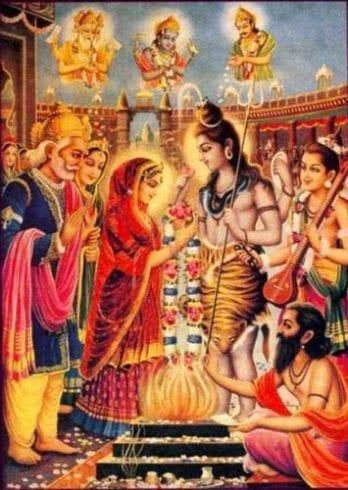
The Radiant Form of Devi Kamakshi: Symbolism Beyond Sight
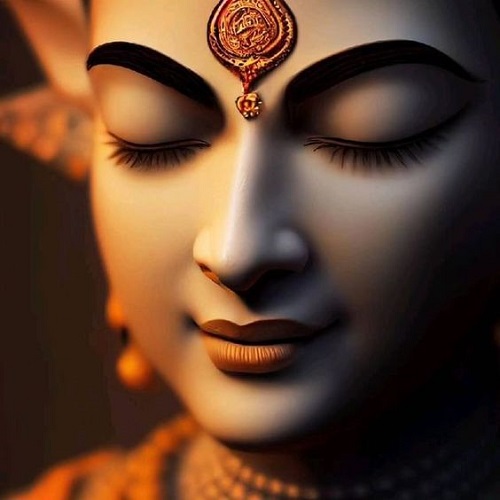
Devi Kamakshi’s form is a living yantra, a visual embodiment of the sacred energies she governs. Every aspect of her iconography is charged with symbolic depth, designed not only to inspire devotion but also to awaken higher states of consciousness in the observer.
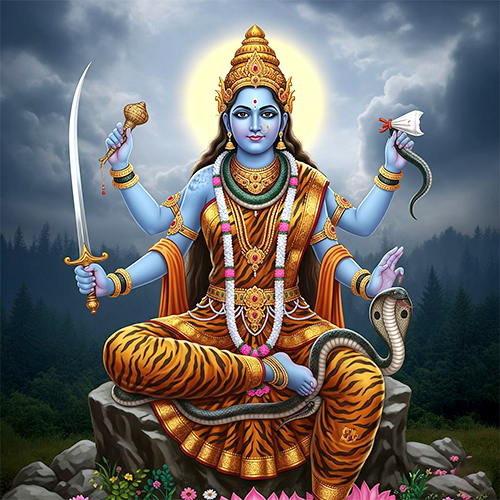
In traditional depictions, she is seated in Padmasana (lotus posture) upon a lotus pedestal, symbolizing purity and detachment. Her serene composure reflects her nature as the tranquil heart of the universe, even while she commands creation, desire, and dissolution.
Adorned in a radiant red sari, she shines with the colour of Shakti, representing life-force, fertility, and sacred fire. Her ornaments of gold, pearls, and gems signify the richness of inner virtues, not material wealth alone.
She is depicted with four arms, each carrying symbols of divine control and grace:
- Ankusa (goad) – to steer the devotee away from ignorance
- Pasha (noose) – to bind the mind to truth and restrain desires
- Sugarcane bow and floral arrows – symbols borrowed from Kama Deva, showing that she rules over love and attraction but transcends them completely
In some representations, she also holds a parrot, a symbol of speech and sensuality mastered, and a lotus, signifying awakening.
At the Kamakshi Amman Temple in Kanchipuram, she is enshrined in deep yogic stillness, seated upon a Sri Chakra throne, radiating the energies of peace, prosperity, and spiritual grace. A Chandraperai (crescent moon) upon her forehead marks her as the consort of Shiva and the goddess who governs time.
Her form is to be meditated upon, for it holds the geometry of the cosmos and the pulse of the heart.
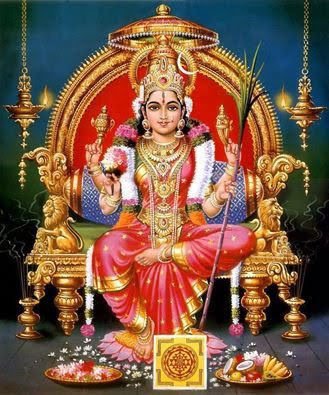
Her Flame of Penitence: The Most Spellbinding Legend of Devi Kamakshi
In the sacred grove of Mangadu, once a dense mango forest, Devi Kamakshi descended to earth as Tapas Kamakshi, the embodiment of divine austerity. It is here that she performed a penance so fierce and radiant, it changed the very face of the cosmos.
Embracing the Fire Divine
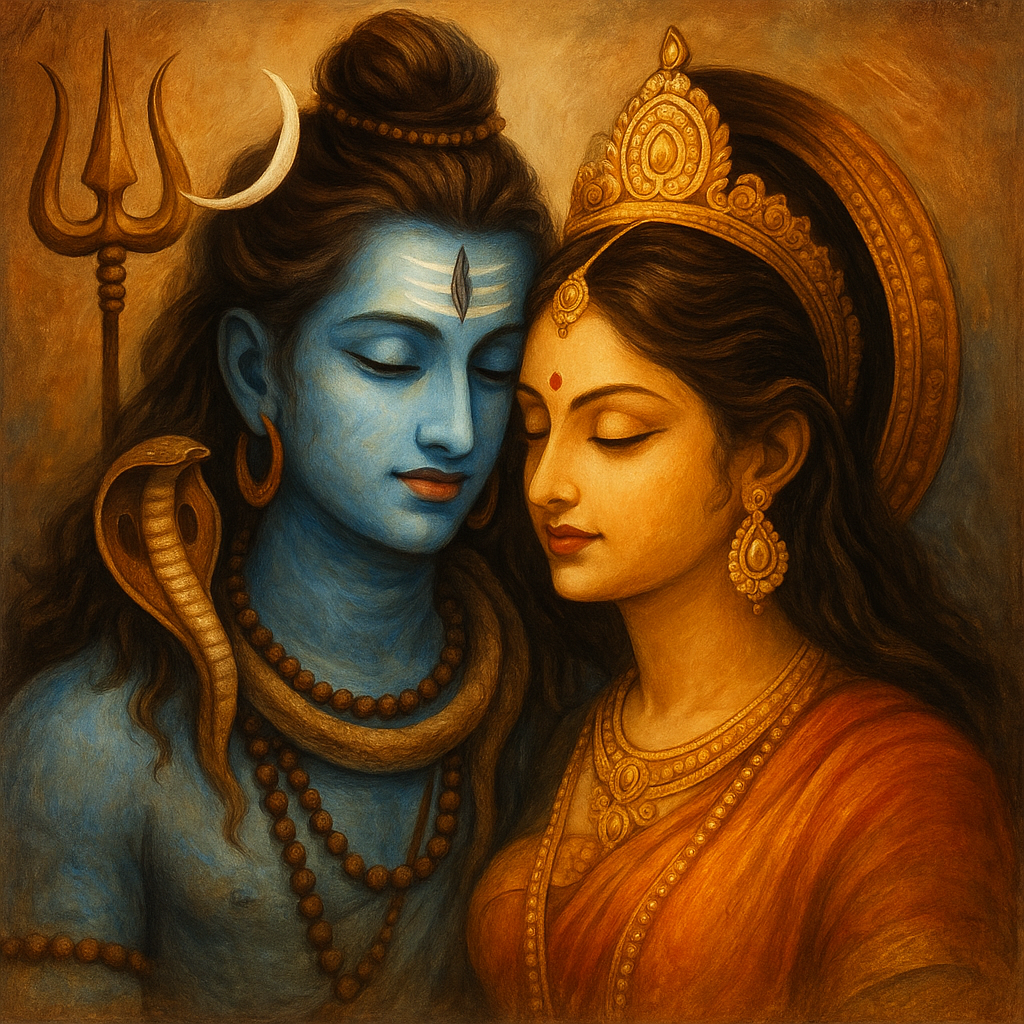
Having playfully covered Lord Shiva’s eyes in Kailash and plunged the universe into darkness, Parvati was directed by Shiva himself to undertake penance to earn his forgiveness. She arrived at Mangadu and stood amidst five blazing homa kundas, steady and unwavering, unwavering on one foot while clutching a rudraksha japa malaiconic of her resolve.
Devi’s penance was not mere display but a powerful spiritual act confronting the five inner evils, Kama (Desire), Krodha (Anger), Lobha (Greed), Mada (Ego), Moha (Attachment). Her unshakable focus birthed a cosmic fire, its heat so intense that even the earth trembled hindupedia.com.
The Cosmic Test of Faith
Legend speaks of Lord Shiva arriving as the Kamba River, its fierce currents testing her devotion. With divine grace, Kamakshi embraced her sand-made Shivalingam beneath the rising waters, refusing to relent. It was her unwavering love and spiritual strength that drew Shiva to finally reveal himself, affirming their sacred union.
From Flame to Tranquillity
Following her vow, Shiva commanded her to move the sacred fire to Kanchipuram. But Mangadu's scorching heat endured, until Adi Shankaracharya arrived. Recognizing its powerful energy, he installed an Ardha‑Meru Sri Chakra to temper the flames and make the land life-sustaining once more.
Divine Marriage in Kanchipuram
Having upheld her pledge, Kamakshi arrived in Kanchipuram. She fashioned a Shivalingam from sand, bathed it in devotion, and married Lord Shiva, earning the title Kalyana Kamakshi, the 'Blessed Bride.' Their sacred union marked the goddess’s transformation, from fierce tapasvini to compassionate matriarch.
Why This Story Matters
It reveals Kamakshi as spiritual sovereignty in action, enduring flames, cosmic tests, and transforming energy through love and discipline.
It affirms her as the ultimate yogini, mastering devotion and penance to transcend cosmic deception.
It’s a tale not just of myth, but of inner pilgrimage, inviting seekers to walk the same silent fire, to find Shiva within.
This legend remains the heart of Kamakshi’s mystique, calling devotees into her luminous fire and emerging, time after time, as living embodiments of her grace.
Mantras Dedicated to Devi Kamakshi
The divine vibrations of Devi Kamakshi are best accessed through sacred sound. Her mantras are not mere chants. They are living currents of Shakti, invoking her grace, wisdom, and transformative power. Whether seeking peace, beauty, fertility, or spiritual elevation, her mantras open the subtle channels within, allowing the energy of Tripura Sundari to flow through the seeker.
Here are some of the most revered mantras associated with Goddess Kamakshi:
Kamakshi Beej Mantra
ॐ ऐं ह्रीं श्रीं कामाक्ष्यै नमः
Om Aim Hreem Shreem Kamakshyai Namah
This mantra combines the powerful bija (seed) sounds of wisdom (Aim), cosmic power (Hreem), and abundance (Shreem), all directed to the Supreme Goddess Kamakshi. Regular chanting brings spiritual insight, attraction, and prosperity.
Kamakshi Moola Mantra
ॐ श्री मातरें नमः
Om Shree Maataren Namah
A simple yet potent invocation, it addresses Kamakshi as the Divine Mother of all worlds, bringing nurturing grace and emotional healing.
Sri Kamakshi Stotram (select verse)
कामाक्षि जय जय महेशि दयार्णवे
Kamakshi Jaya Jaya Maheshi Dayarnave
“O Kamakshi, victory to you, O great Goddess, ocean of compassion.”
This is chanted during Navratri and temple worship, invoking her protective and motherly aspect.
Lalita Sahasranama (Thousand Names of Tripura Sundari)
While not exclusive to Kamakshi, the Lalita Sahasranama, chanted as part of Sri Vidya sadhana honours her in the form of Lalita Tripura Sundari, with names such as:
Kameshvari: Mistress of divine desire
Kamakoti Nilaya: The one who resides in Kamakoti Peetha
Kama Dukhā: The fulfiller of all noble desires
Benefits of Chanting Kamakshi Mantras
- Awakens divine feminine energy (Shakti) within
- Grants beauty, attraction, and grace
- Helps overcome emotional pain, delays in marriage, and infertility
- Removes negativity, fear, and karmic blocks
- Brings inner stillness, clarity, and soul fulfilment
Even a few minutes of daily chanting done with devotion and purity can bring a subtle transformation in the aura, mindset, and life circumstances of the devotee.
How to Worship Devi Kamakshi
Worship of Devi Kamakshi can be practiced both in temples and at home. The core of her worship lies in purity, devotion, and regular connection through mantra and offerings. The mantras provided earlier, especially the beej mantra “Om Aim Hreem Shreem Kamakshyai Namah”, can be chanted daily during her puja.
Simple Steps for Daily Worship at Home
- Begin by bathing and wearing clean clothes.
- Light a ghee lamp and incense in your puja space.
- Place an image or idol of Devi Kamakshi in Padmasana on a red cloth.
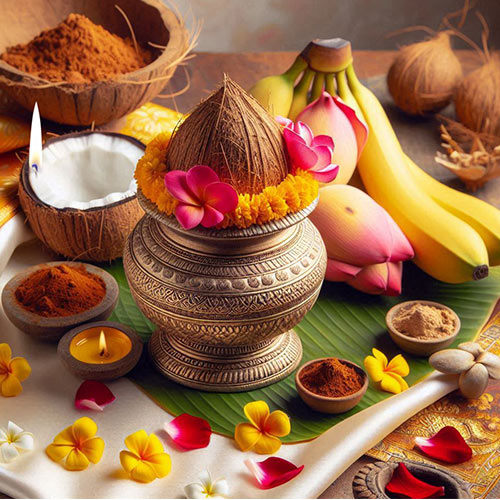
- Offer red flowers, turmeric, kumkum, lemon, and sweet milk.
- Chant her mantra 11, 21, or 108 times with full concentration.
- Meditate on her calm, radiant form seated on the lotus, blessing the world.
- Offer a simple aarti and conclude with a silent prayer for guidance.
Recommended Offerings
- Fresh lemons and red flowers
- Turmeric and kumkum
- Betel leaves and areca nut
- Milk sweetened with honey, sugar, or cardamom
Auspicious Times for Worship
- Fridays are especially sacred to Devi Kamakshi. Worship on Navratri, Purnima (full moon), and during the Brahma Muhurta (pre-dawn hours) is considered highly beneficial.
- Worship of Kamakshi Devi is not limited to rituals. Even heartfelt remembrance, a single mantra, or sincere offering made with devotion becomes a doorway to her grace.
Six-Week Worship of Mangadu Kamakshi – The Aaru Vaara Padalkal Puja
One of the most powerful and time-honoured ways to worship Devi Kamakshi is through the six-week lemon ritual, traditionally observed at Mangadu, the sacred site of her penance. This practice is known as Aaru Vaara Padalkal, and is deeply effective for wish fulfilment, removal of obstacles, and attracting divine grace into one’s life.
Overview of the Ritual
For six consecutive Fridays, devotees offer lemons, milk, and other sacred items to the goddess. The ritual is simple, but deeply symbolic, each offering represents the deepening of surrender and the drawing of Devi’s blessings into every sphere of life.
How to Perform the Six-Week Puja
Week 1
Offer two lemons, kumkum, turmeric, flowers, and milk sweetened with sugar or cardamom. One lemon is returned by the priest or kept aside by the devotee.
Week 2 to 5
Bring the lemon received in the previous week along with new ones—three lemons on week 2, four on week 3, and so on. Each time, one lemon is returned to continue the cycle.
Week 6
Offer all lemons to the goddess. None are returned. This marks the culmination of the sankalpa (vow).
Devotees also offer areca nut, betel leaf, camphor, and distribute the milk offering to fellow worshippers, especially children.
For Home Worship
If you cannot visit Mangadu or a temple, you can perform this ritual at home. Place an image or idol of Devi Kamakshi on a red cloth, offer the lemon with devotion, and chant her mantra as described earlier. The sincerity of your heart is more important than location.
Why Lemon?
The lemon is a symbol of purification and absorbs negativity. Offering it to Kamakshi symbolizes surrendering one’s karmic weight to her. The ritual gradually builds spiritual momentum and invokes the Devi’s compassionate intervention in the devotee’s life.
This six-week vow is considered especially beneficial for those seeking marriage, fertility, health, success in career, or spiritual advancement.
Benefits of Worshipping Devi Kamakshi
Worship of Devi Kamakshi is not limited to material blessings; it is a soul awakening. She is the divine mother who sees not only what we ask for, but also what we truly need. Her grace does not just grant desires; it transforms the desired.
Here are some of the deeper and life-changing benefits of invoking her presence:
Awakening of Inner Radiance
Kamakshi Devi awakens Tejas. The spiritual glow that emanates from inner clarity, self-respect, and emotional strength. Her worship dissolves self-doubt and allows one to walk with dignity and grace.
Desire Transformed into Wisdom
Though she governs attraction and desire, Kamakshi does not bind the soul to the world, she purifies longing itself. Under her gaze, shallow cravings evolve into deeper seeking, guiding the aspirant toward self-realization.
Fulfilment of Righteous Desires
Devotees who approach her with sincerity often experience fulfilment in key areas of life, marriage, fertility, career success, inner peace, and healing, not by chance, but through alignment with Dharma.
Protection from Inner Turmoil
Her presence calms mental chaos. Kamakshi is the force that stills the restless mind, helping one overcome depression, fear, emotional wounds, and psychological heaviness. She returns the devotee to mental steadiness and emotional maturity.
Liberation from Karmic Cycles
Those who surrender fully to Kamakshi experience subtle detachment from binding karmas. Her worship helps to gently loosen knots of past life suffering, offering glimpses of freedom from inner patterns that repeat unconsciously.
Fertility of Mind, Body, and Spirit
As the mother of all creation, Kamakshi bestows the power to conceive, not just children, but ideas, visions, and new phases of life. She blesses the devotee with a fertile ground for growth in every dimension.
Return to Wholeness
Above all, Devi Kamakshi restores the broken pieces of the self. Where we feel scattered, exhausted, or lost, she calls us home, to the centre of stillness where beauty, power, and peace coexist.
Her blessings are not loud. They descend quietly, like a sacred hush, into the lives of those who truly seek. To worship Kamakshi is to invite beauty without vanity, power without domination, and desire without delusion.
Festivals Dedicated to Devi Kamakshi
The divine presence of Devi Kamakshi is celebrated with great reverence through various festivals at her sacred abode, the Kamakshi Amman Temple in Kanchipuram. These festivals are not mere rituals; they are living expressions of devotion, drawing thousands of seekers into the radiance of the Goddess.
Each celebration marks a different aspect of her divine personality, compassion, abundance, motherhood, and transcendence and serves as a powerful time for spiritual renewal and inner alignment.
Navratri
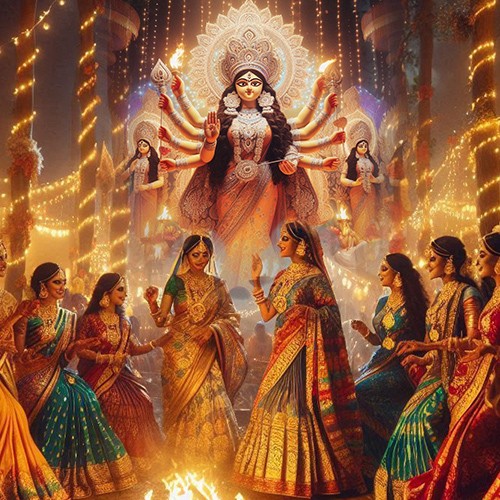
The most elaborate and spiritually intense festival, Navratri honors the nine forms of the Goddess over nine nights. At the Kamakshi temple, she is adorned in different alankaras (forms) each day, symbolizing her evolution from fierce to compassionate. Devotees engage in chanting, homams, and music, making this a time of deep inner purification.
Aippasi Pooram
Celebrated in the Tamil month of Aippasi (October–November), this festival marks an auspicious day in the Devi’s calendar. It is associated with divine prosperity, blessings for fertility, and fulfillment of wishes.
Vasanta Utsavam
This is the spring festival, where the Goddess is worshipped in her most gentle, radiant, and joy-giving form. It is a celebration of renewal, fresh beginnings, and the blossoming of inner devotion.
Aadi Festival
Held in the Tamil month of Aadi (July–August), this festival is especially important for women seeking blessings for marriage, childbirth, and overall well-being. Fridays during this month are considered highly auspicious for Kamakshi worship.
Sankara Jayanthi
In honour of Adi Shankaracharya, who installed the Sri Chakra at the Kamakshi temple, this day celebrates the convergence of Advaita Vedanta and Shakti worship. Devotees remember the Guru who transformed the fierce energy of the Goddess into benevolent compassion.
These festivals are gateways into the inner sanctum of the soul, times when the veil between the seeker and the Goddess thins, and her blessings flow more abundantly. To witness or participate in even one of these sacred occasions is to feel the living pulse of Devi Kamakshi’s eternal grace.
Interesting Facts About Devi Kamakshi
- Only Shakti Shrine in Kanchipuram: No separate Goddess temples exist within Shiva shrines in Kanchipuram. Devi Kamakshi alone embodies the Shakti of the region.
- Installed Sri Chakra: Adi Shankaracharya consecrated the Sri Chakra (Kamakoti Peetha) in her sanctum to pacify her intense energy and establish her as a compassionate, ever-giving mother.
- Form of Tripura Sundari: She is considered the manifestation of Tripura Sundari, one of the Dasha Mahavidyas and the essence of Sri Vidya.
- Linked with Kamakhya: In Eastern India, she is worshipped as Kamakhya Devi, reflecting her universal presence across traditions.
- Yoni Worship Tradition: Kamakshi is associated with the sacred feminine symbol, womb and creation, honoured during special rituals celebrating her as the source of all life.
- Temple Legends Rooted in Fire: The five fire pits (Pancha Agni Tapas) at Mangadu are still remembered for her fierce penance, later calmed by Adi Shankaracharya’s Sri Chakra installation.
- Temple’s Aura: The Kamakshi Amman Temple stands apart in Kanchipuram, radiant, peaceful, and magnetic, as if personally blessed by the Goddess herself.
Products and Services from Rudra Centre for Devi Kamakshi
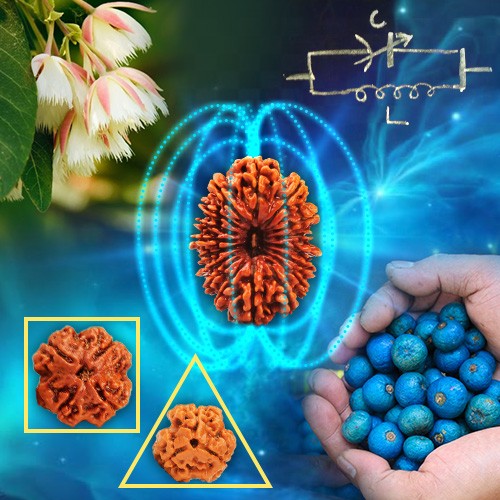
13 Mukhi Rudraksha
Associated with attraction, charm, and the power to fulfil desires, the 13 Mukhi Rudraksha resonates with Devi Kamakshi’s energy of divine allure and wish ful filment. It also supports the awakening of Kundalini Shakti and enhances spiritual magnetism.
Available in Nepal and Java varieties.
Click on the link to buy 13 Mukhi Rudraksha
https://www.rudraksha-ratna.com/k/13-mukhi-rudraksha
Kamakshi Devi Idols in Brass
Beautifully crafted brass idols of Kamakshi Devi and related forms such as Durga are available for temple and home worship. These idols are ideal for invoking abundance, protection, and harmony in the living space.
Click on the link to buy Kamakshi Devi Idol
https://www.rudraksha-ratna.com/buy/kamakshi-devi-in-brass
Kamakshi Mantra Kavach
A sacred tabeez (amulet) inscribed with the Kamakshi Stotra on pure 925 sterling silver. It is energized with mantras and helps attract grace, fulfilment, and divine guidance.
Click on the link Kamakshi Mantra kavach
https://www.rudraksha-ratna.com/buy/kamakshi-kavacham
Kamakshi / Kamakhya Yantra
Energized Kamakhya/Kamakshi Yantras engraved on brass plates and gold-plated as per the scriptures. Ideal for placing on the altar or carrying for energy enhancement, fertility, and spiritual growth.
https://www.rudraksha-ratna.com/buy/kamakhya-yantra
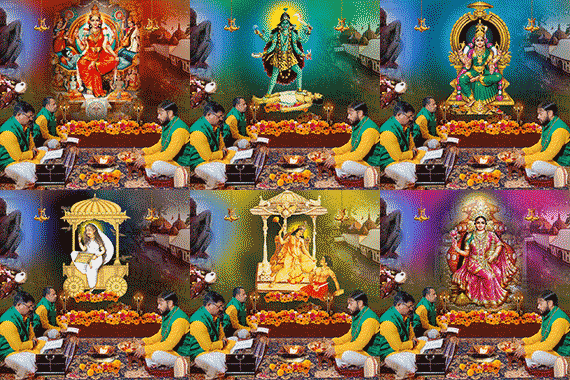
Online Kamakshi Devi Puja
Book a personalized Kamakshi Devi Puja, conducted by Shivacharya priests from South India. Ideal for resolving issues related to marriage, childbirth, health, and spiritual obstacles. The puja includes mantra chanting, homam, and Sankalpa based on your specific needs.
Click on the link to buy Kamakshi Devi Puja
https://www.rudraksha-ratna.com/buy/goddess-kamakshi-devi-puja
-in-Astrology.jpg)
.jpg)


Comments 0
Leave your thought here