


Amavasya is New Moon night when the night is very dark. It is the night when the moon is not fully visible. It refers to the first new moon night of the first quarter of the lunar month. As per Hinduism, the energies of ignorance (Tamas) are on their peak on Amavasya. Hence any auspicious or new activity should not be done on this night. Only the Amavasya on Diwali is considered auspicious as it represents the victory of good over evil. Many practitioners of tantra, occult, black magic perform elaborate rituals. It is recommended to clean your house to invite Goddess Laxmi. It is also considered important to remember our ancestors and pay homage to them on Amavasya.
What is Purnima?

Purnima denotes a full moon day, which divides the month into two equal lunar fortnights called as Paksha. Full moon also known as Purnima is the fifteenth day of the lunar cycle as the moon reaches the final stage of the Shukla Paksha (waxing period). It is considered very auspicious to start any work, business, etc. The fortnight before Purnima is known as Shukla Paksha and the fortnight after is called Krishna Paksha. On Purnima, many important festivals such as Guru Purnima, Kartik Purnima, Buddha Purnima etc. across India. On this day, Lord Shiva and Lord Vishnu are worshipped. It is an ideal day to fast for the entire day. The fortnight before Purnima is known as Shukla Paksha and fortnight after is called Krishna Paksha. Many important festivals such as Guru Purnima, Kartik Purnima, Buddha Purnima across India. The location of the moon exerts a different magnetic pull on this day. It results in a natural upsurge of upward movement in the body. Purnima is ideal for worship of Lord Vishnu and Goddess Lakshmi to gain their blessings for a prosperous life.
Waxing and Waning of the moon (Shukla Paksha and Krishna Paksha)

A waxing moon is a phase between the new moon and the full moon when the visible area on the moon increases day by day. A waning moon is a phase between the full Moon & new Moon phase in which the visible surface area of the moon gets smaller. Paksha signifies fortnight of the waxing or waning of the moon. Shukla Paksha or Gaura Paksha is the period between new and the full moon (Waxing Phase) which lasts for a fortnight (14 days). Krishna Paksha is the period between the full moon and the new moon (Waning Phase) which lasts of a fortnight. Shukla and Krishna Paksha calculations are done according to the size of the moon. On Amavasya nights, the energies are roguish, while Purnima nights have a subdued quality which is more subtle and pleasant. The very next day after the new moon, the moon starts rising and the dark night starts shining in the light of the moon. Since Moon loses light during Krishna Paksha generally it is considered inauspicious whereas in Shukla Paksha Moon gains light hence it is considered auspicious. These Lunar cycle calculations are used by astrologers and pandits to calculate auspicious dates for marriage, date for buying house/car/assets and naming ceremonies. Som considered the period from 10th day of Shukla Paksha to the 5th day of Krishna Paksha as very auspicious. However, it is advised to consult a qualified individual for these date calculations.
Story of Purnima and Amavasya as per Hinduism (Waxing and Waning of the Moon)

According to the Shiva Puranas, the moon loved his wife Rohini the most out of his 27 wives. His wives represent the 27 Nakhshatras, who were the daughters of Daksha Prajapati. Due to the moon’s indifference towards his other wives, he was cursed by Daksha Prajapati that he would lose his luster. He cursed the moon that his powers would decline day by day, and he would eventually disappear also known as waning of the moon. An upset moon visited Somnath in Gujarat, along with his wife Rohini, and worshipped the Sparsh Lingam. Pleased with his devotion, Lord Shiva blessed the moon that he would regain his powers and luster day by day and this cycle of waxing and waning will continue in perpetuity. Hence moon increases in brightness during Shukla Paksha for a fortnight and then wanes for a fortnight during Krishna Paksha.
Effects of Purnima and Amavasya
The moon reflects the mind. The fortnightly moon cycle exerts influence on the human anatomy due to the tides and ebbs. The lunar cycle impacts the reproductivity system and menstruation. The release of neurohormones may be triggered due to the electromagnetic radiation and the gravitational pull of the moon. If you have mastery over the sun and moon within, the Pingala and Ida—the beauty of Purnima will be present with you every day. It is a period of introspection and self-reflection. A person tends to become restless, irritable, and ill-tempered during Amavasya. If a person generally feels mentally imbalanced, he/she will continue to feel more imbalanced. On Amavasya, human emotions are at its peak due to the gravitational force of the moon, which pulls everything upwards. If you are a peaceful, loving, and joyous person, you become more peaceful, joyous and loving on Amavasya.
What to do on Amavasya? (Puja and Rituals)

Amavasya Vrat (Fasting) & Paying Homage to Pitras (Ancestors)
A fast is observed and food is offered to the ancestors. An austere waterless fast or only water fast is advisable. The main objective is to perform Pratyahara (withdrawal of senses) so we can control of Tamasic (ignorant) impulses. The fast can be observed from sunrise to sunset and if one cannot observe a very austere fast, they can eat milk and fruits. According to Garuda Purana, Lord Vishnu is believed to have professed that the ancestors descend on earth on Amavasya, to partake their food. So, Hindus prepare ‘shraddha’ and await their ancestors. Many festivals like Diwali are observed on Amavasya. On this day, departed souls are remembered.
Cleaning the House and Praying to Goddess Laxmi
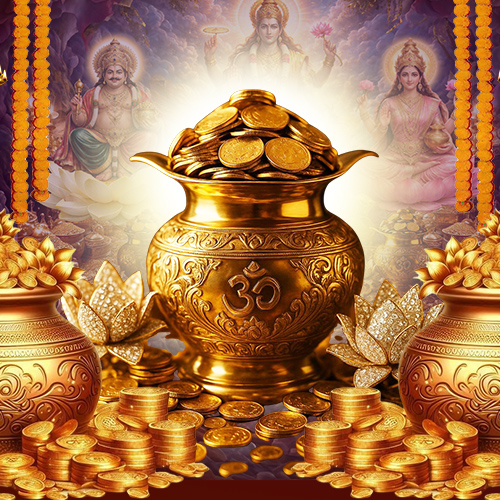
It is advised to clean your house so that you can invite Goddess Laxmi who blesses devotees with wealth, prosperity and growth. This is done so the energies of Amavasya can be channelized towards material growth for the family of the devotees.
Praying to Goddess Kali
Many practitioners of tantra, black magic and occult perform elaborate rituals and offer prayers to Goddess Kali. Yog, karmakand and bhakti are considered to be right hand (Yin) of God to achieve Moksha (Liberation) whereas Tantra is left hand (Yang) of God. Both paths eventually lead to salvation however they need to be done under guidance of a qualified Guru.
What to do on Purnima? (Puja and rituals)

Purnima Vrat (Fasting)
Purnima fast enable one to absorb the sattvic energies of this day completely. It is ideal to fast to reduce the acidic contents in the body, slow down metabolism, and increase endurance. It restores the mind and body balance. The Purnima fast lasts for 12 hours from sunrise to sunset. People do not consume rice, wheat, pulses, grains, and salt during Purnima. Some people consume fruits and milk. Some people observe a rigid fast, and do not even consume water. On Chaturdashi, Purnima fasting occurs only when Purnima commences during Madhyahna period on previous day. If Chaturdashi prevails beyond Madhyahna, it is believed that this Chaturdashi cannot be considered for Purnima fasting, even if Purnima prevails during the evening. Fasting on Purnima day is known as Pournami Vratam.
Meditation
Meditating in the night under the Full Moon sky enable one to achieve spiritual ascension. People can even meditate on Amavasya for contemplation whereas on Purnima meditation is done for spiritual ascension and elevation.
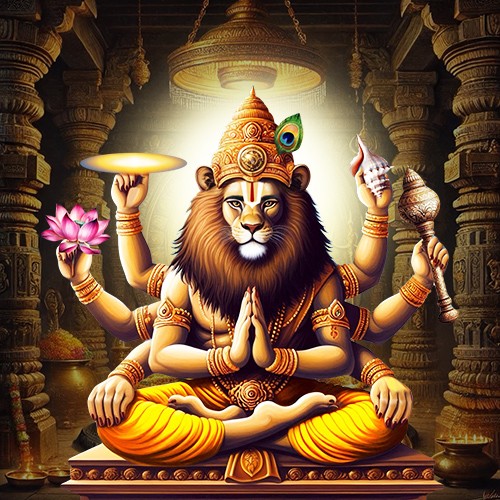
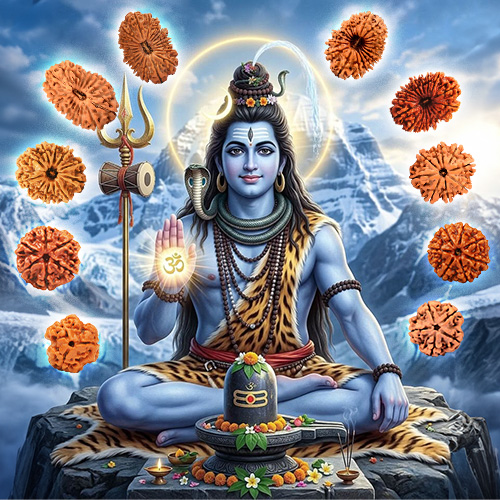
Praying to Lord Vishnu, Lord Shiva (Mahamrityunjaya) & Chandra Dev
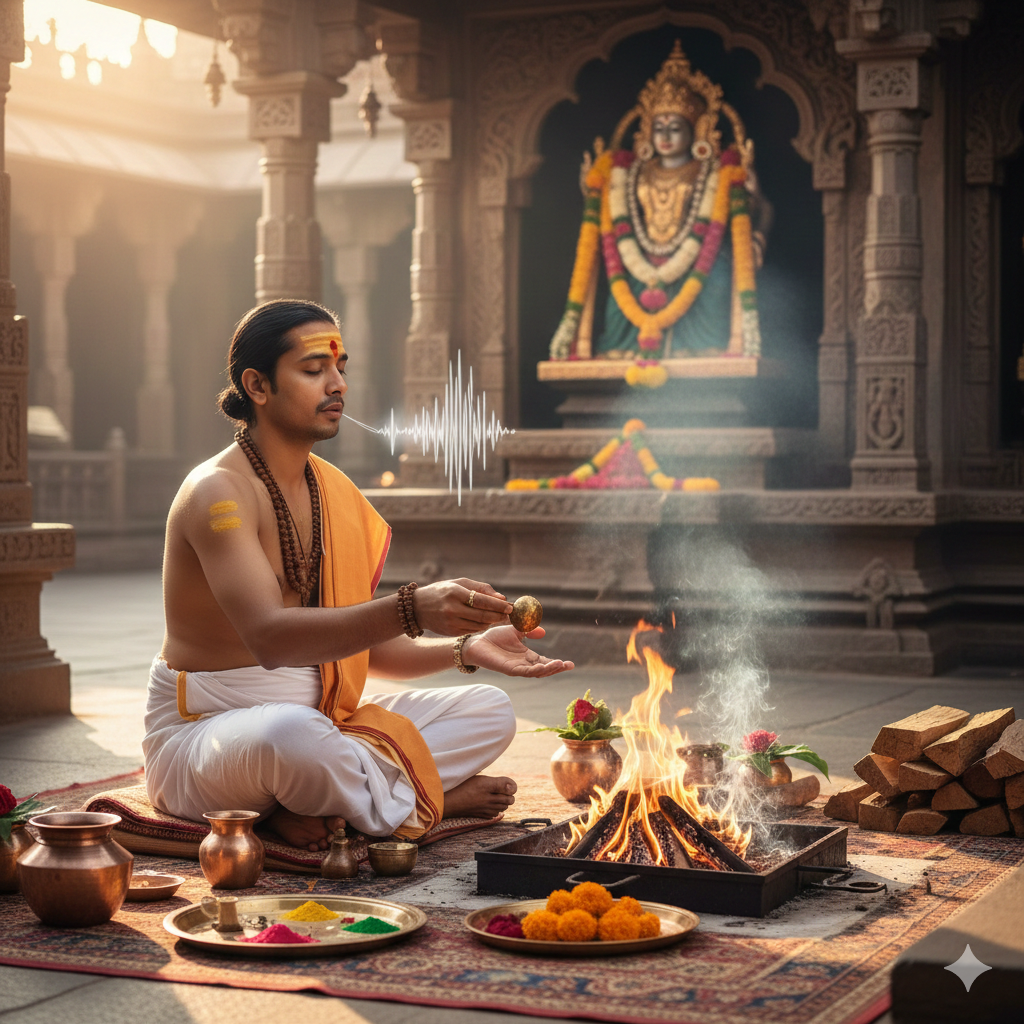
Vaishnaivites pray to their beloved Lord Vishnu whereas Shaivites pray to Lord Shiva. There is no fix methodology for worship. One can even chant their respective mantras in a comfortable sitting posture in meditative mode. Since it is a Full Moon it is a good day to pray Chandra Dev (Moon) so we can imbibe his blessings of calm, harmony, love, nurture and tranquility.
People can chant the below Mantras to achieve union of these deities.
-
Vishnu Mantra -
Om Namo Bhagavate Vasudevaya”
Meaning: ‘I bow to the Lord who lives in the hearts of all.’ -
Vishnu Gayatri Mantra
Om Shri Vishnave Cha Vidmahe Vasudevaya Dhimahi।
Tanno Vishnuh Prachodayat॥
Meaning: Om, Let me meditate on Lord Vishnu, Oh, Lord Vasudeva, give me higher intellect, and let Lord Vishnu illuminate my mind -
Mahamrityunjaya Mantra
Om Tryambakam yajaamahe
sugandhim pushtivardhanam |
Urvaarukamiva bandhanaan-
mrityormuksheeya maamritaat ||
Meaning: We worship the three-eyed One, who is fragrant and who nourishes all. Like the fruit falls off from the bondage of the stem, may we be liberated from death, from mortality. -
Chandra Gayatri Mantra
Om Padmadwajaya Vidhmahe |
Hema Roopaya Dheemahe
Tanno Chandra Prachodayat’||
Meaning: Om let me meditate on Lord Chandra who has a flag of lotus.
He shrines in the brilliant color of gold. Let Lord Chandra illuminate my mind. -
Satyanarayan Katha Paath
It is very auspicious to perform Satyanarayan Katha path during Purnima night. This katha is a dialogue between Lord Vishnu and Sage Narada and they discuss what is Dharma, duty and morality through a series of stories with profound meaning.
Amavasya (New Moon) Dates in 2026
Amavasya refers to the no-moon night in the Hindu lunar calendar- important for ancestor rituals (Pitru Tarpan), Shraddha, and other spiritual practices.
|
Date (2026) |
Tithi / Month |
Notes (Lunar Month) |
|
January 18, Sunday |
Magha Amavasya |
New Moon begins 00:03 AM Jan 18 |
|
February 17, Tuesday |
Phalguna Amavasya |
Begins late on Feb 16 |
|
March 18–19, Wednesday–Thursday |
Chaitra Amavasya |
Begins morning Mar 18 |
|
April 17, Friday |
Vaishakha Amavasya |
Evening Apr 16 start |
|
May 16–17, Saturday–Sunday |
Jyeshtha Amavasya |
May 16 start |
|
June 14–15, Sunday–Monday |
Adhika/Jyeshtha Amavasya |
Adhik tithi period |
|
July 14, Tuesday |
Ashadha Amavasya |
Begins Jul 13 |
|
August 12, Wednesday |
Shravana Amavasya |
Early morning Amavasya |
|
September 10–11, Thursday–Friday |
Bhadrapada Amavasya |
Sept 10 start |
|
October 10, Saturday |
Ashwina Amavasya |
Oct 9 evening start |
|
November 8–9, Sunday–Monday |
Kartika Amavasya |
Nov 8 start |
|
December 8–9, Tuesday–Wednesday |
Margashirsha Amavasya |
Dec 8 start |
Note: Some Amavasya periods span two calendar days depending on local sunrise/sunset and region.
Purnima (Full Moon) Dates in 2026
Purnima is the full moon day each month- widely observed with fasts, worship, and festivals like Guru Purnima and Sharad Purnima.
|
Date (2026) |
Festival / Month (when applicable) |
Notes |
|
January 3, Saturday |
Pausha Purnima |
Full Moon starts Jan 2 |
|
February 1, Sunday |
Magha Purnima |
Guru Ravidas Jayanti |
|
March 3, Tuesday |
Phalguna Purnima |
Holika Dahan / Vasanta Purnima |
|
April 1–2, Wednesday–Thursday |
Chaitra Purnima |
Hanuman Jayanti |
|
May 1, Friday |
Vaishakha Purnima |
Buddha Purnima |
|
May 30–31, Saturday–Sunday |
Adhika/Jyeshtha Purnima |
Extra month full moon |
|
June 29–30, Monday–Tuesday |
Jyeshtha Purnima |
Vat Purnima |
|
July 29, Wednesday |
Ashadha Purnima |
Guru Purnima |
|
August 27–28, Thursday–Friday |
Shravana Purnima |
Raksha Bandhan / Narali Purnima |
|
September 26, Saturday |
Bhadrapada Purnima |
Pitrupaksha begins |
|
October 25–26, Sunday–Monday |
Ashwina Purnima |
Sharad Purnima |
|
November 24, Tuesday |
Kartika Purnima |
Pushkara Snana |
|
December 23–24, Wednesday–Thursday |
Margashirsha Purnima |
Dattatreya Jayanti |
Purnima often begins the evening before and ends following midday- full moon tithi spans two calendar days depending on timing.
-in-Astrology.jpg)
.jpg)


Comments 0
Leave your thought here