

From the gentle glow of a clay diya (deepam) in a humble home to the majestic oil lamps illuminating temple sanctums, the act of lighting a diya has been a core part of Hindu rituals and puja ceremonies for thousands of years. But why do Hindus light a lamp before every puja, prayer, or festival?
More than a ritual, lighting a diya symbolizes the victory of light over darkness, knowledge over ignorance, and positivity over negativity. In Sanatan Dharma, a deepam is considered a sacred bridge between the devotee and the Divine, it purifies the atmosphere, removes negative energy, and invokes auspicious vibrations that attract peace, health, prosperity, and spiritual growth.
Ancient scriptures praise the act of lighting oil lamps as a source of divine blessings, a way to awaken the inner light (Atma Jyoti), and a practice that balances the five elements within the environment. Whether performed at sunrise and sunset, during festivals like Diwali and Karthika Deepam, or as part of daily worship, the tradition carries deep spiritual meaning and energetic benefits.
In this article, we explore the spiritual significance of diya lighting, its symbolism in Hinduism, the scientific and energetic benefits, and why this timeless ritual continues to illuminate hearts, homes, and temples across generations.
Hindu Tradition of Lighting a Diya (Deepam): Significance, Rituals & Auspicious Meaning
In Hindu tradition, the sacred act of lighting a diya, also known as Deepam, Deepa, or Deepak- is considered one of the most essential steps before invoking the Divine presence. The soft flame of a ghee diya or oil lamp is believed to act as a spiritual channel, inviting purity, positivity, prosperity, and auspicious vibrations into the surroundings.
This powerful ritual is deeply woven into Sanatan Dharma and is practiced daily in Hindu households, grand temples, and during major festivals like Diwali (Deepavali), Karthika Deepam, and Navratri. Traditionally, oil lamps are placed before deities and altars, at the entrance of homes, or beside a Tulsi plant to ward off negative energies and welcome divine blessings.
Lighting a Deepam at sunrise and sunset is especially significant, as it aligns human activity with the natural cycles of light, balancing the body’s energy and promoting harmony with nature. In many temples and homes, devotees maintain an Akhanda Deepa (eternal flame), a continuously burning lamp that symbolizes the eternal presence of consciousness (Atma Jyoti) and the unbroken connection with the Supreme.
Through this daily ritual, devotees sanctify their surroundings, raise their spiritual vibration, and prepare the space for puja, meditation, and mantra chanting, transforming the environment into one filled with devotion, inner peace, and divine energy.
Symbolism of the Diya Flame in Hinduism: Spiritual Meaning, Inner Light & Divine Connection
Every diya flame lit during Hindu rituals carries a profound spiritual meaning, it is far more than physical illumination. The light of a diya represents the eternal truths of Sanatan Dharma, reminding devotees of the journey from darkness (tamas) to light (jyoti), and from ignorance to divine wisdom.
Upward Movement – Path to Liberation (Moksha)
The direction of the diya’s flame always points upward, symbolizing the soul’s aspiration toward moksha (liberation). It inspires practitioners to rise above material attachments, follow the path of dharma, and pursue the ultimate goal of self-realization.
Dissolution of Negativity – Light Over Darkness
Just as darkness disappears the moment a flame is lit, the diya’s light is believed to dispel negativity, ignorance, and confusion. It radiates positive energy, cleansing the space and creating an atmosphere conducive to spiritual growth and inner clarity.
Awakening the Atma Jyoti – Inner Spiritual Light
The diya is often called the Atma Jyoti, or the inner light of the soul. It serves as a constant reminder of the divine spark within every being, guiding us toward clarity, higher wisdom, and self-awareness. Through this light, the devotee connects to the Supreme Consciousness within.
Offering to the Divine – Symbol of Devotion and Surrender
The burning flame of a deepam represents complete surrender to the Divine. As the oil and wick burn away, they symbolize the transformation of worldly desires into devotion (bhakti), aligning the individual’s energy with the higher cosmic order.
Harmony of the Five Elements – Cosmic Balance
In Vedic symbolism, the diya is also a representation of the five elements (pancha mahabhutas). The clay lamp stands for earth, water is used for purification, oxygen sustains the flame (fire), and the space around represents ether. Together, they create a sacred balance, harmonizing the microcosm of the self with the macrocosm of the universe.
Lighting a diya is therefore much more than a ritual, it is a spiritual practice of inner transformation. It connects the external act of worship with the internal journey of awakening, reminding us that true devotion begins with self-purification and culminates in divine union.
Diya Lighting in Vedas and Hindu Scriptures: Sacred Origins and Scriptural Significance
The tradition of lighting a diya (deepam) is deeply rooted in Vedic scriptures, Puranas, and Upanishadic philosophy. Far from being a mere ritual, it is described as a sacred offering that invokes divine presence, removes darkness and negativity, and illuminates the path to spiritual awakening.
Vedic Verses on Diya Lighting
One of the most revered mantras recited during diya lighting is:
“Shubham Karoti Kalyanam, Aarogyam Dhana Sampadah
Shatru Buddhi Vinashaya, Deepa Jyotir Namostute.”
This ancient verse praises the diya flame as a source of health, prosperity, well-being, and a destroyer of negative energies. It affirms that the deepam light is not merely physical illumination but a manifestation of auspicious energy (Shubha Shakti).
Diya and the Four Purusharthas
The Kalika Purana extols the significance of lighting a lamp during puja rituals, stating that it bestows the four Purusharthas, Dharma (righteousness), Artha (prosperity), Kama (fulfilment), and Moksha (liberation). Through this sacred act, the devotee connects with the cosmic cycle of creation, preservation, and transformation.
Upanishadic Wisdom: From Darkness to Light
The timeless Upanishadic prayer beautifully encapsulates the deeper philosophy of lighting a diya:
“Asato maa sad-gamaya, Tamaso maa jyotir-gamaya, Mrityor-maa amritam gamaya.”
This verse reveals the essence of the ritual to guide the soul from illusion to truth, ignorance to knowledge, and mortality to immortality. The diya, therefore, is not just a symbol but a spiritual guide on the path to self-realization.
Agni and the Bridge to the Divine
According to Temple Agamas and Smriti texts, the diya flame represents Agni, the Vedic fire god and messenger between humans and deities. As the flame rises, it carries the devotee’s offerings, prayers, and intentions to the Divine, bridging the material and spiritual realms.
Lighting a diya, then, is more than an ancient custom, it is a cosmic act of worship, a practice that unites the physical world with spiritual consciousness and anchors the presence of the Divine in every home and temple.
Energy and Scientific Benefits of Lighting a Diya (Deepam) in Hinduism
Beyond its profound spiritual symbolism, the lighting of a diya (deepam) is known to generate powerful energetic vibrations that positively impact both the environment and the individual. In Hindu rituals and Vedic practices, the sacred flame is regarded as a natural purifier, cleansing subtle energies, dispelling negativity, and harmonizing the flow of prana (life force energy) within a space.
Energetic and Spiritual Impact of Lighting a Diya
Chakra Activation & Energy Balance:
Lighting a ghee diya is believed to activate and balance vital chakras, especially the Manipura (solar plexus) and Anahata (heart chakra). This stimulation promotes confidence, emotional stability, inner peace, and spiritual clarity.
Creation of a Protective Aura:
Placing a sacred oil lamp near a Tulsi plant, home altar, or temple sanctum forms a protective energetic shield. The vibrations of the flame repel negative energies, attract auspicious frequencies, and fortify the spiritual environment.
Akhanda Deepa-Continuous Divine Flow:
An Akhanda Deepa (eternal flame) maintained continuously during puja is said to sustain an unbroken stream of divine cosmic energy. This constant light creates an atmosphere filled with devotion, serenity, and spiritual elevation.
Scientific, Psychological & Health Benefits of Lighting a Lamp
Natural Air Purification:
Traditional ghee or sesame oil lamps release subtle antimicrobial particles when burned, helping to sanitize the air, improve respiratory health, and maintain energetic hygiene within the home.
Mood Enhancement & Stress Relief:
The soft, steady glow of a diya flame calms the nervous system, reduces anxiety, and induces a meditative state of mind. This makes it a powerful tool for mental well-being and emotional healing.
Circadian Rhythm Alignment:
Lighting a diya at sunrise (Brahma Muhurta) and sunset (Sandhya) aligns human activity with natural circadian rhythms, fostering harmony between body, mind, and environment.
Diya as a Spiritual Wellness Tool
Thus, a diya (deepam) serves as more than a ritual object, it is both a spiritual conductor and a natural wellness instrument. By radiating positivity, cleansing energy fields, stabilizing emotions, and uplifting consciousness, the simple act of lighting an oil lamp becomes a powerful holistic practice that blends ancient Vedic wisdom with modern science.
This timeless tradition explains why lamp lighting remains a core part of Hindu homes, temples, and yoga practices, symbolizing the union of spiritual light and inner well-being.
Cultural and ritual significance of lighting a Deepam in Hinduism
Lighting a diya is more than a devotional act, it is woven into the very fabric of Hindu culture. From temples to households, every sacred occasion begins with the kindling of a flame, symbolizing the invitation of divine presence into the space.
Role in daily Puja and ceremonies
In most Hindu homes, a lamp is lit before the household deity every morning and evening. This daily ritual marks the transition from worldly concerns to spiritual awareness.
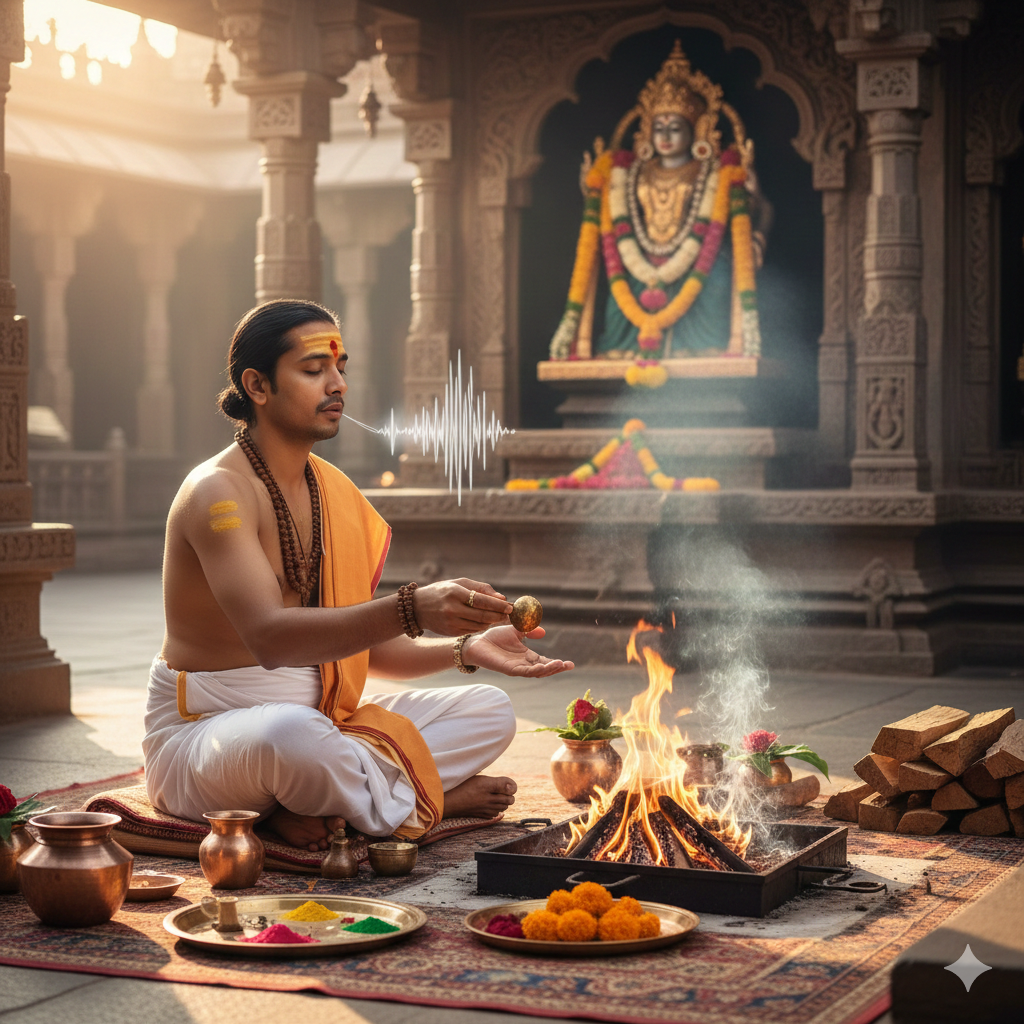
Priests in temples perform Deepa Aradhana (lamp offering) as a part of the puja sequence, where the flame is waved before the deity, and devotees receive its light as a blessing.
Festivals and auspicious events
Diwali (Deepavali) –
Diwali, also called Deepavali, is the most celebrated festival of lamps in Hinduism. According to tradition, the lighting of thousands of diyas commemorates the return of Lord Rama to Ayodhya after his victory over Ravana, symbolizing the triumph of dharma over adharma. The people of Ayodhya lit rows of clay lamps to welcome their king, a tradition that continues even today in every Hindu household.
Lighting diyas during Diwali is also associated with inviting Goddess Lakshmi, the deity of wealth and prosperity, into homes. It is believed that Lakshmi enters only those houses that are clean, pure, and illuminated with light. Diyas are placed at doorways, windows, balconies, and courtyards to guide her blessings into the household.
Beyond mythology, Diwali diyas symbolize the inner victory of light over darkness, wisdom over ignorance, and positivity over despair. The glowing flame inspires devotees to let go of negativity, embrace clarity, and begin anew with hope and devotion.
For many, Diwali is not just a celebration but a spiritual renewal, where the act of lighting each diya becomes a prayer for abundance, health, peace, and unity within the family and community.
Karthika Deepam- The Lamp festival of South India
Karthika Deepam is one of the most sacred lamp festivals celebrated in Tamil Nadu, Andhra Pradesh, Telangana, and Kerala. Observed in the Tamil month of Karthigai (November–December), it is marked by the lighting of countless diyas in homes, streets, and temples, transforming entire towns into oceans of light.
The festival holds deep spiritual significance. In Tiruvannamalai, a massive fire lamp is lit atop the holy Arunachala Hill to symbolize Lord Shiva’s infinite form of light (Jyotirlinga). Devotees believe that by lighting lamps on this day, they invite the blessings of Lord Shiva and Goddess Parvati, ensuring prosperity, health, and spiritual upliftment.
In households, rows of lamps are placed at entrances, balconies, and puja rooms to dispel negativity and welcome divine grace. The act is seen as a prayer for family harmony, marital bliss, and the well-being of children.
Karthika Deepam is also associated with the Krittika stars and is considered an auspicious time for performing Deepam Puja. Lighting lamps and diyas during this period is believed to cleanse past karmas and fill life with light, abundance, and auspicious vibrations.
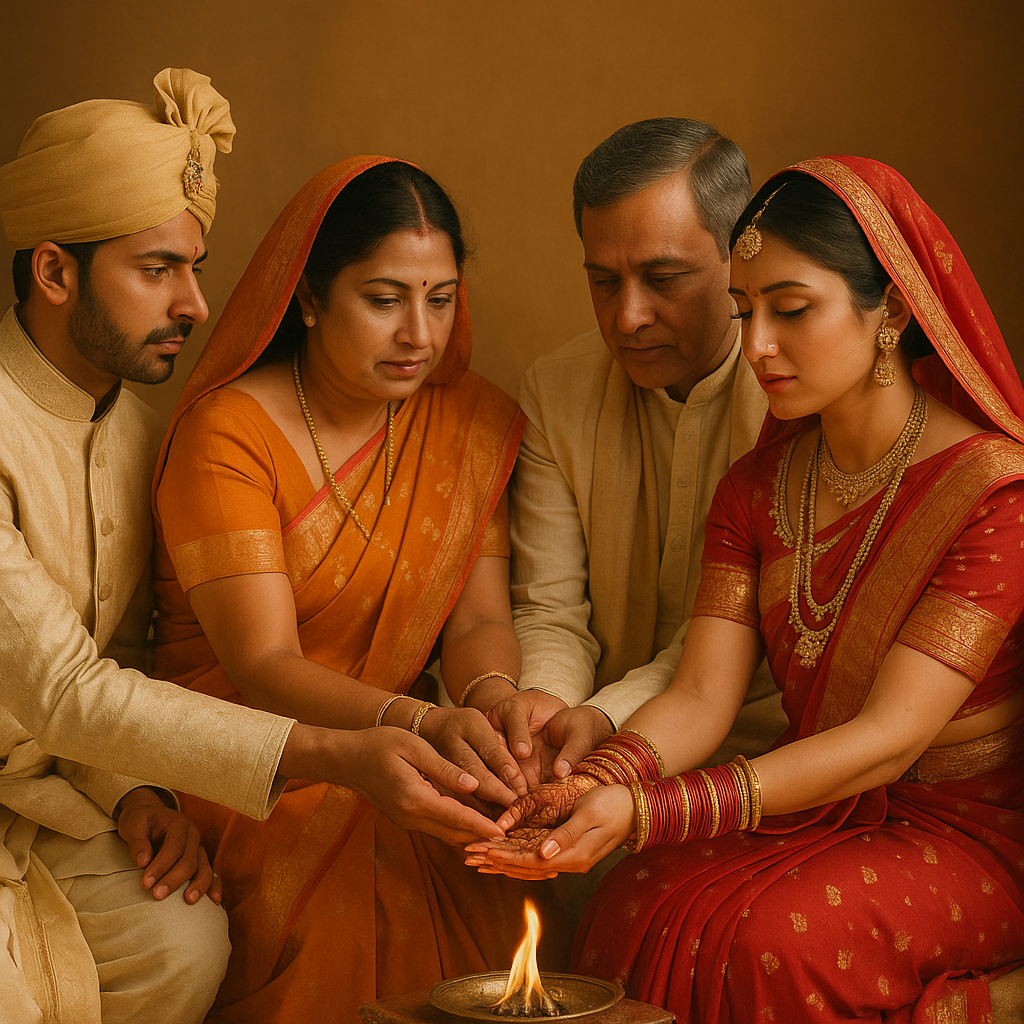
Housewarmings, Weddings, and New Beginnings. No sacred ceremony is complete without the lighting of a lamp to sanctify the space and invoke blessings for harmony, success, and longevity.
Akhanda Deepa – The Eternal flame
Many families and temples keep a diya burning continuously, known as Akhanda Deepa. This unbroken light is seen as a symbol of the soul’s eternal connection with the Supreme, ensuring that the divine presence never leaves the household or shrine.
By serving as the first gesture in worship and the centrepiece of festivals, the lamp is more than a ritual item, it is a cultural anchor that unites generations in shared devotion, reminding each participant that light, truth, and positivity are the foundations of Dharma.
Types of Oils and materials used in Puja lamps and Diyas (and Their Spiritual Benefits)
The choice of oil and the material of the lamp play a vital role in Hindu worship. Each type carries distinct spiritual vibrations and is believed to attract specific blessings. Understanding these differences helps devotees perform puja with greater awareness.
Sacred Oils for Puja lamps and diyas
Cow’s Ghee (Clarified Butter) – Considered the most auspicious fuel, ghee lamps are said to cleanse the aura, remove obstacles, and balance the chakras. Lighting a ghee lamp is linked with prosperity, health, and spiritual upliftment.
Sesame (Til) Oil – Traditionally used to dispel negative energies and protect against planetary doshas. It is often chosen during Shani-related rituals to bring relief from hardships.
Mustard Oil – Known for its purifying quality, mustard oil lamps are lit to drive away disease and counter malefic astrological influences, particularly those of Saturn.
Coconut Oil – Widely used in South India, coconut oil lamps are believed to please Lord Ganesha and invite harmony into the household.
Panchadeepa Oil – A blend of five oils (sesame, coconut, ghee, neem, and castor) regarded as extremely powerful for balancing energies, neutralizing negativity, and ensuring peace and prosperity.
Which Diya to use in Puja? Significance of materials
Clay Lamps (Deepam/Diya) – Simple earthen lamps symbolize humility and purity. They are especially common during Diwali, when rows of clay diyas are lit to celebrate light’s triumph over darkness.
Brass Lamps – Brass is believed to conduct positive vibrations effectively, making these lamps ideal for daily worship and temple rituals.
Silver Lamps – Associated with lunar energy, silver diyas are considered calming and auspicious, often used in special pujas for peace and prosperity.
Along with these traditional options, Rudra Centre offers a wide range of sacred diyas crafted in different materials and styles, allowing devotees to choose lamps that best suit their puja needs, festivals, and daily worship.
Discover and bring home your sacred diya or lamp from Rudra Centre here.
https://www.rudraksha-ratna.com/k/brass-diya-samai-oil-lamps
Placement and Direction
Tradition prescribes that lamps be placed in specific directions for maximum benefit:
East/Northeast – brings health, purity, and harmony.
North – attracts wealth and prosperity.
West – promotes stability and spiritual depth.
South – generally avoided, as it is considered inauspicious.
By carefully selecting the right oil, lamp material, and placement, devotees can transform the act of lighting a diya into a powerful ritual of energy alignment, protection, and divine connection.
Modern relevance of lighting a Diya
In today’s fast-paced world, the ritual of lighting a diya is more than a cultural tradition- it is a form of mindfulness and inner alignment. The simple act of watching a flame dance silently in the stillness of dawn or dusk creates a natural pause, allowing the mind to slow down and reconnect with deeper awareness.
Benefits for the Modern Seeker
Meditative Focus – Gazing at a steady flame (trataka) is a classical yogic practice that improves concentration, calms the nervous system, and sharpens memory.
Stress Relief – The gentle glow of an oil lamp has a soothing effect on the brain, reducing anxiety and creating a sense of peace in the home.
Energy Reset – Lighting a diya at the end of a busy day helps release accumulated negativity and restores a balanced state of mind.
Sacred Ambience at Home – Placing a lamp in the prayer corner or near a Tulsi plant transforms the atmosphere, inviting positivity, harmony, and divine grace.
Inclusivity in Spiritual practice
While in earlier times the ritual was closely tied to tradition and caste-based roles, today anyone, regardless of background, can adopt the practice as a way to cultivate clarity, serenity, and devotion. Even those who do not identify as religious can embrace it as a symbol of inner light and positivity.
In this way, lamp lighting remains timeless- bridging ancient wisdom with modern well-being, offering both spiritual depth and psychological balance.
-in-Astrology.jpg)
.jpg)


Comments 0
Leave your thought here