

In the vast ocean of Hindu mythology, every symbol etched into the form of a deity holds layers of spiritual meaning, waiting to be unraveled. Among these divine mysteries, one of the most captivating is the story behind Lord Ganesha’s single tusk, a feature that earned Him the name Ekdant, meaning “One Toothed.” But why does the remover of obstacles bear a broken tusk? What profound truths lie beneath this unusual aspect of His form?
Lord Ganesha, also known as Ganapati, Vighnaharta, and Vinayaka, is one of the most beloved and worshipped deities across India and beyond. From the sacred chants of “Om Gan Ganapataye Namah” to His presence at the start of every auspicious act, Ganesha’s role in Hinduism is both powerful and compassionate. Yet, His broken tusk stands out. An enigma that draws seekers deeper into the symbolic and spiritual fabric of Sanatan Dharma.
This article explores the symbolism, stories, and spiritual lessons behind Ganesha’s broken tusk. We will journey through ancient scriptures like the Mahabharata and the Puranas, uncover lesser-known legends, and understand how this divine mark reflects values such as humility, wisdom, sacrifice, and strength.
Let us begin this sacred exploration into the untold truths behind Ekdant, and discover what this broken tusk truly reveals about the elephant-headed Lord of wisdom.
Who is Lord Ganesha?
He is the sacred guardian of all beginnings, the first to be remembered before every new venture, ritual, or journey. With the head of an elephant and a gaze full of compassion, this deity represents the union of immense wisdom and childlike innocence. Worshipped across homes, temples, and hearts, He embodies intellect, clarity, and protection.
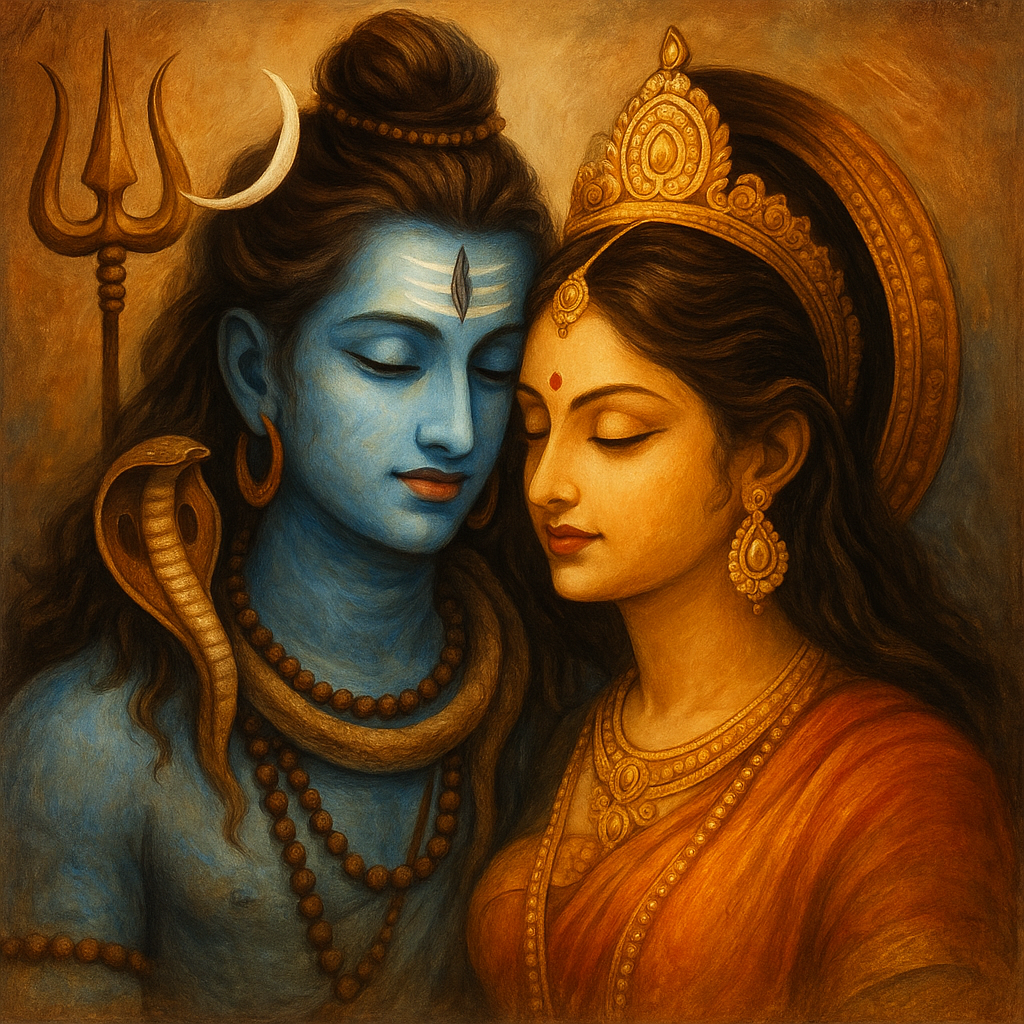
Born from the divine energy of Parvati and spiritually connected to Mahadev, His presence bridges the cosmic with the personal. His vehicle, a tiny mouse, humbles the mightiest minds, showing that true greatness lies in inner mastery, not outer form. In His hands, He holds symbols of transformation: a noose to restrain desires, an axe to cut through ignorance, and a sweet modak to reward the seeker of inner truth.
What sets Him apart is not just His form but what it teaches, to rise above duality, to overcome inner and outer obstacles, and to walk the path of truth with joy. His broken tusk, far from being a flaw, is a badge of sacrifice and supreme purpose, which we will soon explore in depth.
Significance of Lord Ganesha
More than just a divine figure of worship, Lord Ganesha represents a living principle, the inner intelligence that guides, protects, and liberates. In the spiritual journey, He is the gateway, the first spark of consciousness that removes illusions and leads the seeker toward truth.
Ganesha’s elephant head symbolizes expanded awareness and wisdom. His large ears teach us to listen more, and his small eyes invite us to concentrate deeply. The broken tusk signifies the ability to retain the good and discard the unnecessary. A lesson in spiritual detachment. His very form is a message: stay grounded, remain alert, and trust divine timing.
Spiritually, Ganesha governs the Muladhara Chakra. The root energy centre associated with stability, survival, and grounding. When this chakra is awakened through His worship, a seeker begins to dissolve fear, anxiety, and restlessness, laying a firm foundation for higher spiritual evolution.
Across India and in many parts of Southeast Asia, He is honoured not only as a remover of physical obstacles but as the Lord of Karma, who helps one dissolve inner blockages. His presence is most prominent during Ganesh Chaturthi, a festival that celebrates not only His birth but also the soul’s journey from ego to liberation.
To understand Ganesha is to recognize that every challenge is an invitation to grow, and every obstacle is a disguised blessing. He does not merely remove difficulties. He transforms them into stepping stones toward spiritual maturity.
Birth or Origin of Lord Ganesha
The story of Lord Ganesha’s birth is as mystical as the deity Himself. Woven with cosmic intent, divine will, and deep spiritual meaning. According to the Shiva Purana, Ganesha was not born in the conventional sense, but was created by Goddess Parvati from the sacred turmeric paste she used for bathing. Desiring a loyal guardian during her privacy, she breathed life into this form and entrusted Him with a single instruction: do not let anyone enter.
When Lord Shiva, Parvati’s consort, arrived at the door unaware of the boy’s identity, Ganesha refused him entry. A fierce battle followed, culminating in Shiva severing the child’s head in divine rage. Upon realizing what had happened, Parvati’s grief shook the cosmos. To restore balance, Shiva promised to bring the boy back to life. He instructed His attendants to bring the head of the first creature they found facing north. It happened to be an elephant, and thus was born the beloved elephant-headed god, known today as Ganapati, the Lord of All Ganas.
Why Lord Ganesha Has One Tusk: Legends Behind the Broken Tusk
The image of Lord Ganesha with a single tusk, Ekdant, has captivated devotees and spiritual seekers for centuries. But why does the Lord of wisdom bear this unique feature? The answer lies hidden in ancient stories passed down through the Puranas and epics, each offering a different facet of truth, all pointing to deeper spiritual lessons.
- The Battle with Parashurama
One of the most well-known legends comes from the Padma Purana and Shiva Purana. One day, Parashurama, an incarnation of Vishnu, came to Mount Kailash to visit Lord Shiva. Ganesha, loyal to His mother Parvati and fulfilling His role as guardian, stopped him at the gates, refusing entry.
Parashurama, known for his temper, grew furious and a battle ensued. Though Ganesha was powerful, he chose not to retaliate harshly. Parashurama hurled his divine axe, the very one gifted to him by Shiva. Out of reverence for his father, Ganesha accepted the blow instead of resisting it. The axe struck His tusk, breaking it.
- The Writing of the Mahabharata
Another beautiful account is found in the Mahabharata itself. When Sage Vyasa was divinely inspired to dictate the great epic, he sought a scribe who could match the flow of his profound wisdom. Lord Ganesha agreed on one condition: Vyasa must not stop his narration even once.
Vyasa agreed, but in turn set a condition that Ganesha must understand each verse before writing it. As the dictation flowed, Ganesha’s writing tool broke. Determined not to halt the transmission of knowledge, He broke off one of His own tusks and used it as a pen.
- Ravana and the Tusk
A lesser-known story mentions that during a confrontation with Ravana, the king of Lanka, Ganesha’s tusk was broken in battle. In one variation, Ravana forcibly removed the tusk to make ivory earrings for his queen. This story, while not as prominent, adds to the mystique and regional lore surrounding Ekdant.
Across these stories, one truth remains clear, the broken tusk is not a sign of loss, but of divine strength, sacrifice, and the unwavering will to uphold cosmic order. Ganesha’s form teaches us that imperfection, when aligned with purpose, becomes sacred.
This divine event marked more than just the origin of a deity. It symbolized the awakening of divine consciousness through conflict and surrender, and the integration of opposites, human and animal, intellect and instinct, form and formlessness.
As we now approach the deeper mystery of His broken tusk, it is important to remember that every detail in Ganesha’s story is a mirror for the soul’s own evolution. His very form tells us that transformation often begins with resistance, and rebirth is hidden within surrender.
Spiritual Meaning of the Broken Tusk: What Lord Ganesha Teaches Us Through Ekdant
The image of Lord Ganesha with a single tusk is not merely a mythological detail. It is a profound spiritual metaphor. In every version of the story, the broken tusk becomes a symbol of transcendence, offering timeless lessons on how to live with awareness, humility, and purpose.
- Detachment from the Physical and the Ego
The act of sacrificing His own tusk, whether in a moment of humility (as in the story of Parashurama) or self-discipline (as in writing the Mahabharata), is a direct reflection of the Vedic teaching of vairagya, non-attachment. Ganesha gives up a part of His body to fulfil a higher purpose. In doing so, He reminds us, that ego, pride, and even physical perfection must bow before dharma and wisdom.
Just as He broke the tusk without hesitation, we too are encouraged to break away from our false identifications, with the body, with intellect, with our titles, and embrace our deeper Self.
- The Power of Sacrifice in Pursuit of Knowledge
When His writing instrument broke, Ganesha didn't ask Vyasa to stop. He didn’t complain. Instead, He broke His own tusk and continued, showing what true tapas (austerity) and shraddha (faith) look like in action. In a world that seeks comfort and ease, Ganesha’s action becomes a powerful symbol of selfless dedication to spiritual growth and responsibility.
Lesson : If the goal is noble, sacrifice is not loss, it is transformation.
- Inner Strength Is Greater Than Outer Wholeness
The broken tusk turns what would seem like a flaw into a badge of divine power. Ganesha’s form teaches that completeness doesn’t come from symmetry or outer beauty, but from integrity, purpose, and inner clarity. Even with a broken tusk, He is revered as the wisest, the most powerful, and the most beloved.
Lesson : True strength comes from embracing your journey, scars, sacrifices, and all.
- Forgiveness and Reverence for Dharma
In the tale with Parashurama, Ganesha recognizes that the weapon thrown at Him is gifted by His father. Rather than retaliating with equal force, He chooses forgiveness over fury, honouring the sanctity of dharma over personal pride.
Lesson : In spiritual life, restraint and humility are greater than reaction and revenge.
- Beyond Duality: The Path of Ekdanta
In Sanskrit, Eka means one and Danta means tooth or tusk. But symbolically, Ekdanta points to the oneness of truth, the singular vision of the Self that arises when dualities are dropped. The broken tusk, then, becomes a pointer to Advaita (non-dualism), breaking the illusion of separation and seeing unity in all.
Lesson : To attain the highest wisdom, one must shed dual thinking and align with the One Reality.
Lord Ganesha’s broken tusk is thus not just a relic of a story. It is a living spiritual icon, reminding us that wisdom requires sacrifice, that true beauty lies in purpose, and that the soul’s journey often requires us to let go of something we think we need, only to discover something greater within.
How to Please Lord Ganesha
Pleasing Lord Ganesha is simple and heartfelt. He responds to devotion over display, and sincerity over ritual perfection.
- Offer Modaks and Durva Grass: Ganesha’s favorite prasad includes sweet modaks (symbolizing inner bliss) and three-blade durva grass (symbolizing humility and surrender).
- Chant His Mantras: Recite “Om Gan Ganapataye Namah” daily or on special days like Sankashti Chaturthi to invoke His grace.
- Worship on Wednesdays and Chaturthi: These days are especially auspicious for Ganesha puja. A simple prayer or fast on these days is powerful.
- Maintain Purity: Keep your body, mind, and space clean. Ganesha values simplicity, clarity, and calm devotion.
- Pray with a Childlike Heart: Approach Him with innocence, joy, and faith. Even a single diya with pure intention can bring blessings.
Mantras Dedicated to Lord Ganesha for Different Seekings
Chanting Ganesha mantras creates a spiritual vibration that clears mental, emotional, and physical obstacles. Each mantra carries a unique frequency to align you with a specific intention. Here are some powerful Ganesha mantras categorized by what the devotee seeks:
- For Removing Obstacles
ॐ गं गणपतये नमः
Om Gam Ganapataye Namah
Meaning
:
Salutations to the remover of obstacles.
Benefit
:
Clears inner and outer blockages, brings clarity and focus.
- For Success in New Beginnings
श्री गणेशाय नमः
Shree Ganeshaaya Namah
Meaning
:
O Lord Ganesha, I bow to You.
Benefit
:
Ideal for starting a new job, business, marriage, or project.
- For Wisdom and Intellect
वक्रतुण्ड महाकाय सूर्यकोटि समप्रभ।
निर्विघ्नं कुरु मे देव सर्वकार्येषु सर्वदा॥
Vakratunda Mahakaya Suryakoti Samaprabha
Nirvighnam Kuru Me Deva Sarva-Kaaryeshu Sarvada
Meaning
:
O large-bodied, curved-trunked One, radiant like a million suns, remove all obstacles from my undertakings.
Benefit
:
Brings mental clarity, memory, and concentration, great for students.
- For Prosperity and Abundance
ॐ श्रीं गं सौभाग्य गणपतये वर्वर्द सर्वजन्म में वषमान्य नमः॥
Om Shreem Gam Saubhagya Ganapataye Varvard Sarvajanma Mein Vashamanya Namah
Meaning
:
Salutations to the Giver of Fortune and Grace who bestows prosperity in all lives.
Benefit
:
Attracts material well-being, stability, and luck.
- For Peace and Spiritual Growth
ॐ एकदन्ताय विद्महे, वक्रतुण्डाय धीमहि, तन्नो दन्तिः प्रचोदयात्॥
Om Ekadantaya Vidmahe, Vakratundaya Dhimahi, Tanno Danti Prachodayat
Meaning
:
May we know the one-tusked Lord, may we meditate on the curved trunk One, may that tusked One inspire our minds.
Benefit
:
Deepens meditation, invokes inner strength and spiritual awakening.
You may chant these mantras 108 times daily or especially on Sankashti Chaturthi, Ganesh Chaturthi, or Wednesdays for best results.
Simple Puja Vidhi to Worship Lord Ganesha at Home
You don’t need elaborate rituals to please Ganesha. A clean space, a sincere heart, and devotion are enough. Here’s a step-by-step guide to performing a peaceful and effective Ganesha puja at home:
What You’ll Need
- A clean idol or photo of Lord Ganesha
- A small diya (lamp) and incense
- Fresh flowers (preferably red or yellow)
- Durva grass (if available)
- Modak or any sweet
- Kumkum, haldi (turmeric), and rice (unbroken)
- Water in a small pot or glass
Step-by-Step Puja Vidhi
-
Cleanse the Space and Yourself
Take a bath and wear clean clothes. Clean the altar area and place the Ganesha idol or photo on a raised platform. -
Light the Diya and Incense
Light a lamp and incense stick to purify the space and invite divine energy. -
Offer Water and Flowers
Sprinkle a few drops of water in front of the idol. Offer flowers, Durva grass, and rice while mentally offering your love and surrender. -
Apply Haldi and Kumkum
Place a little turmeric and kumkum on the forehead of the idol or photo. -
Chant a Mantra or Shloka
Chant any of the following:
Om Gam Ganapataye Namah (108 or 21 times)
Or recite Vakratunda Mahakaya once with folded hands. -
Offer Sweets or Modaks
Place the sweets in front of the idol as naivedya (offering). You can later share it as prasad. -
Conclude with Aarti
Perform a small aarti with a diya while singing or playing 'Jai Ganesh Deva' or 'Sukhakarta Dukhaharta'. -
Express Gratitude
Close your eyes, bow your head, and silently express your wishes and gratitude.
Optional: You may fast until moonrise (especially on Sankashti Chaturthi), meditate for a few minutes after the puja, or read a short story from Ganesha Purana.
Benefits of Worshipping Lord Ganesha
Worshipping Lord Ganesha with faith and regularity brings immense blessings in both the spiritual and worldly realms:
- Removes Obstacles from personal, professional, and spiritual paths
- Brings Clarity of Mind, focus, and wisdom in decision-making
- Promotes Success in new ventures, exams, and important tasks
- Increases Prosperity and invites abundance in home and work life
- Establishes Inner Peace by calming fears, anxiety, and confusion
Regular prayer to Ganesha aligns you with divine intelligence, helping you overcome life’s challenges with grace and courage.
Products & Services to Connect with Lord Ganesha
To deepen your devotion and receive focused blessings from Lord Ganesha, Rudra Centre offers a curated range of powerful spiritual tools and sacred services:
Popular Products
Ganesha Idols and Yantras: Energized Ganesha idols and Shri Ganesha Yantras for home and office altars. Brings protection and removes Vastu doshas.
Click on the link to Buy Ganesha Idol
Click on the link to Buy Ganesha Yantra
Ganesha Rudraksha Mala (8 Mukhi Rudraksha): Ruled by Lord Ganesha, this Rudraksha enhances intellect, removes obstacles, and protects from Rahu-related problems.
Click on the Link to Buy 8 Mukhi Rudraksha
Ganesha Puja Kit: Sacred offerings available in puja kits, ideal for Chaturthi and daily worship.
Click on the link to buy Ganesha Puja Kit
Puja Services by Vedic Pandits
Ganesh Puja & Homam: Conducted by expert pandits at Trimbakeshwar for removing specific obstacles and achieving success in exams, career, or marriage.
Click on the link to Buy Ganesh Puja Service
Sankashti Chaturthi Puja: Monthly puja service to reduce karmic blockages and invoke divine blessings.
Click on the link to Buy Ganesha Sankashti Puja
All products and services are energized, authentic, and aligned with ancient Vedic practices. You can explore them at www.rudraksha-ratna.com .
-in-Astrology.jpg)
.jpg)


Comments 0
Leave your thought here