

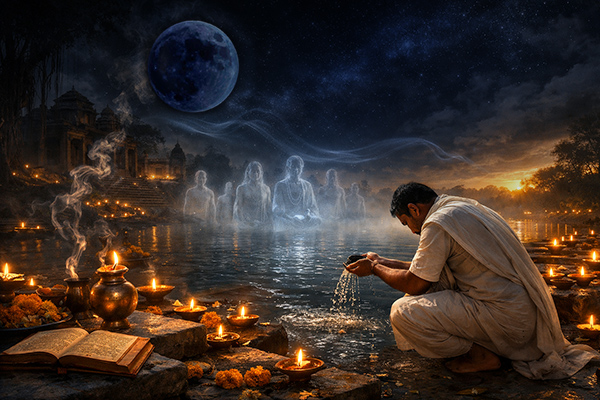
Darsha Amavasya is the monthly no-moon day in the Hindu lunar calendar and is considered one of the most significant Amavasya tithis for spiritual and ancestral rituals. On this day, the Moon is not visible, symbolizing a powerful phase for inward reflection, cleansing, and new beginnings. As per Vedic tradition, Darsha Amavasya is especially important for Chandra Dev worship , Pitru Tarpan , and Shraadh rituals , as it is believed to attract peace, prosperity, and ancestral blessings. This day also marks the start of a new lunar cycle, making it ideal for setting intentions and performing purification practices.
DARSHA AMAVASYA DATE, TIME, TITHI IN 2026
Darsha Amavasya occurs once every lunar month and is observed during the Amavasya tithi when the Moon is completely absent. Below is the complete month-wise list of Darsha Amavasya dates, start–end timings, and corresponding lunar months for 2026 .
|
Month & Date |
Amavasya Name |
Lunar Month |
Tithi Begins |
Tithi Ends |
|
18 Jan 2026 (Sun) |
Darsha / Magha Amavasya |
Magha, Krishna Paksha |
12:03 AM, Jan 18 |
01:21 AM, Jan 19 |
|
17 Feb 2026 (Tue) |
Darsha / Phalguna Amavasya |
Phalguna, Krishna Paksha |
05:34 PM, Feb 16 |
05:30 PM, Feb 17 |
|
18 Mar 2026 (Wed) |
Darsha Amavasya |
Chaitra, Krishna Paksha |
08:25 AM, Mar 18 |
06:52 AM, Mar 19 |
|
17 Apr 2026 (Fri) |
Darsha / Vaishakha Amavasya |
Vaishakha, Krishna Paksha |
08:11 PM, Apr 16 |
05:21 PM, Apr 17 |
|
16 May 2026 (Sat) |
Darsha / Jyeshtha Amavasya |
Jyeshtha, Krishna Paksha |
05:11 AM, May 16 |
01:30 AM, May 17 |
|
14 Jun 2026 (Sun) |
Adhika Darsha Amavasya |
Jyeshtha, Krishna Paksha |
12:19 PM, Jun 14 |
08:23 AM, Jun 15 |
|
14 Jul 2026 (Tue) |
Darsha / Ashadha Amavasya |
Ashadha, Krishna Paksha |
06:49 PM, Jul 13 |
03:12 PM, Jul 14 |
|
12 Aug 2026 (Wed) |
Darsha / Shravana Amavasya |
Shravana, Krishna Paksha |
01:52 AM, Aug 12 |
11:06 PM, Aug 12 |
|
10 Sep 2026 (Thu) |
Darsha / Bhadrapada Amavasya |
Bhadrapada, Krishna Paksha |
10:33 AM, Sep 10 |
08:56 AM, Sep 11 |
|
10 Oct 2026 (Sat) |
Darsha / Ashwina Amavasya |
Ashwina, Krishna Paksha |
09:35 PM, Oct 09 |
09:19 PM, Oct 10 |
|
08 Nov 2026 (Sun) |
Darsha / Kartika Amavasya |
Kartika, Krishna Paksha |
11:27 AM, Nov 08 |
12:31 PM, Nov 09 |
|
08 Dec 2026 (Tue) |
Darsha / Margashirsha Amavasya |
Margashirsha, Krishna Paksha |
04:12 AM, Dec 08 |
06:21 AM, Dec 09 |
SIGNIFICANCE OF DARSHA AMAVASYA

Darsha Amavasya holds special importance in Hindu tradition as a powerful day for spiritual cleansing, emotional healing, and ancestral worship. Since the Moon is completely absent, this tithi symbolizes stillness, introspection, and the release of negative energies. It is believed that prayers, daan, and rituals performed on Darsha Amavasya yield amplified results due to the heightened cosmic sensitivity of the day.
This Amavasya is especially auspicious for Pitru Tarpan, Shraadh ceremonies, and Chandra Dev worship, as it helps devotees receive blessings for peace, prosperity, stability of mind, and removal of karmic obstacles. Scriptures also mention that performing rituals on this day helps reduce Pitru Dosha, resolve life delays, and bring harmony within family and lineage. Devotees observe this tithi as an opportunity to reset energies and invite positivity for the upcoming lunar cycle.
DARSHA AMAVASYA VRAT KATHA
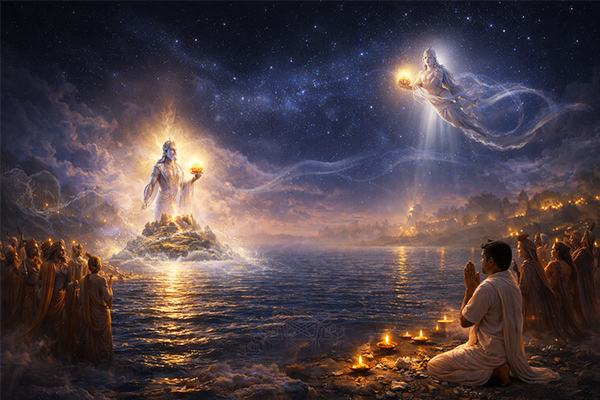
The Darsha Amavasya Vrat Katha is closely connected with the divine event of Samudra Manthan, the churning of the cosmic ocean by the Devas and Asuras.
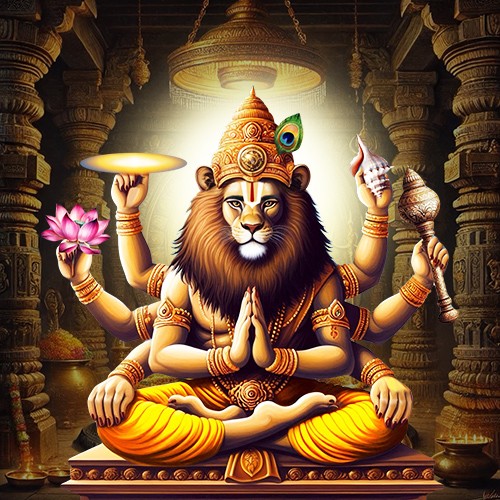
According to the legend, Sage Durvasa once cursed Indra, causing the Devas to lose all their strength and prosperity. Taking advantage of their weakened state, the Asuras defeated them and gained control. To restore balance, Lord Vishnu advised the Devas to temporarily collaborate with the Asuras and churn the ocean to obtain amrit, the nectar of immortality.
During the churning, various celestial objects and deities emerged, and finally Lord Dhanvantari appeared with a pot of amrit. To prevent the Asuras from seizing it, Indra’s son, Jayanta, quickly carried the pot away. This act symbolized divine protection and the triumph of wisdom and purity even in challenging times.
The Vrat Katha highlights devotion, discipline, and the power of divine intervention-qualities that devotees seek to invoke on Darsha Amavasya.
DARSHA AMAVASYA RITUALS
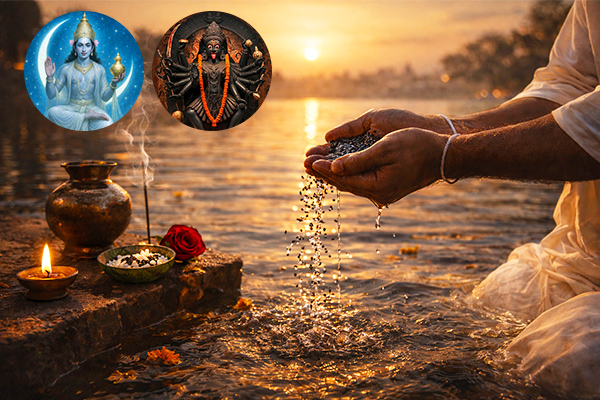
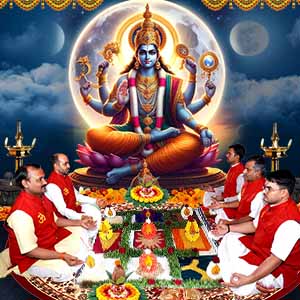
Darsha Amavasya is considered one of the most important days for performing rituals dedicated to Chandra Dev and ancestral peace . The rituals carried out on this tithi are believed to purify the mind, remove karmic blocks, and strengthen the spiritual connection with one’s lineage.
1. Worship of Chandra Dev
Devotees invoke and pray to Chandra Dev for emotional balance, clarity of mind, and prosperity. Offerings include white flowers, rice, sugar, and water. Chanting moon mantras enhances mental peace.
2. Ancestral Rituals (Pitru Tarpan & Shraadh)
As per Vishnu Dharma Shastra, Darsha Amavasya is ideal for honoring ancestors.
Rituals such as:
- Tarpan
- Til Daan (sesame offering)
-
Pind Daan
help in seeking blessings, reducing Pitru Dosha, and promoting family well-being.
3. Daan and Charity
Giving food, clothes, grains, or sesame seeds is considered highly auspicious. Charity performed on Amavasya is believed to remove past negative karma.
4. Dosha Nivaran Pujas
This day is favored for specific pujas such as:
- Kal Sarpa Dosha Puja
- Pitru Dosha Remedies
- Tripindi Shradh
These rituals help lessen delays, obstacles, and recurring challenges in life.
5. Worship of Goddess Kali
Some devotees observe the night for Kali Sadhana, seeking protection from negative energies and blessings for strength and prosperity.
6. Protective & Cleansing Practices
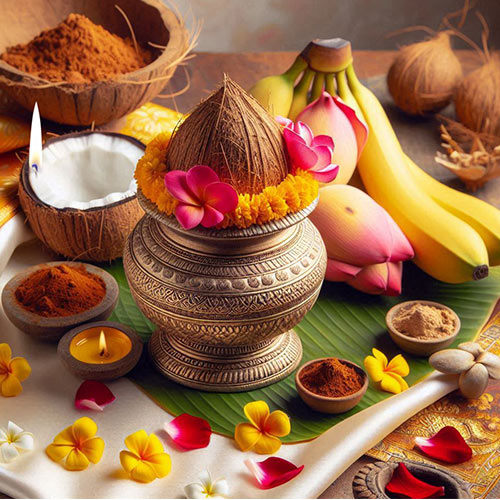
Lighting a diya, burning incense, and keeping the home environment pure are believed to dispel stagnation and cleanse subtle energies.
DARSHA AMAVASYA FASTING PROCEDURE

Fasting on Darsha Amavasya is observed to purify the body, stabilize the mind, and seek blessings from Chandra Dev and the ancestors. The fast begins at sunrise on the Amavasya tithi and continues until the moon becomes visible or until the evening rituals are completed.
1. Morning Preparation
- Wake up early, take a bath, and wear clean, sattvic clothing.
- Maintain purity of thoughts and avoid negative speech.
2. Sankalp (Vow)
Before starting the fast, devotees take a sankalp , expressing their intention to observe the vrat with devotion and discipline.
3. Puja and Chanting
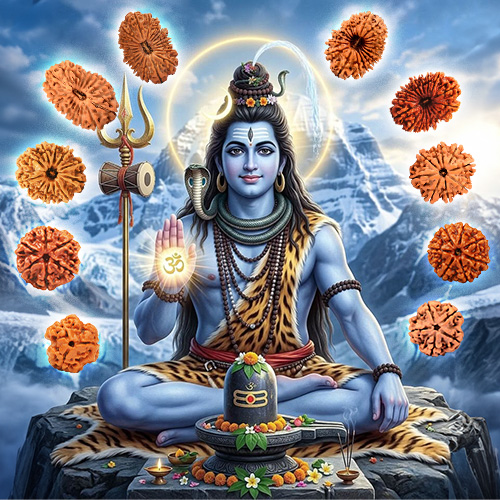
- Worship Lord Shiva or Lord Vishnu, followed by Chandra Dev.
- Offer white-coloured items such as rice, milk, or flowers.
- Recite the Amavasya Vrat Katha and chant moon mantras for peace and emotional balance.
4. Abstinence During the Fast
- Devotees refrain from consuming grains, salt, or heavy foods.
- Some observe a nirjala fast (without water), while others may take fruits or milk.
5. Breaking the Fast
The fast is concluded after sighting the moon or after completing the evening puja rituals. Devotees offer arghya (water offering) to Chandra Dev before breaking the fast.
BENEFITS OF DARSHA AMAVASYA VRAT
Observing the Darsha Amavasya Vrat is believed to offer multiple spiritual, emotional, and karmic benefits. Since the Moon governs the mind and emotions, rituals performed on this day help balance mental energies and promote inner stability.

Key Benefits:
1. Mental Peace & Emotional Balance
Worshipping Chandra Dev on Amavasya stabilizes thoughts, reduces stress, and brings calmness to the mind.
2. Removal of Obstacles & Delays
The vrat is known to help reduce challenges, reversals, and stagnation in different areas of life.
3. Ancestral Blessings
Prayers and offerings made on this day help devotees receive goodwill and protection from their ancestors.
4. Karmic Cleansing
Rituals performed with devotion can help reduce the burden of past actions and bring positive transformation.
5. Prosperity & Good Fortune
The day is considered auspicious for attracting financial stability, harmony in relationships, and overall well-being.
6. Spiritual Growth
The vrat encourages discipline, self-reflection, and spiritual alignment, making it beneficial for long-term spiritual progress.
DARSHA AMAVASYA STORY
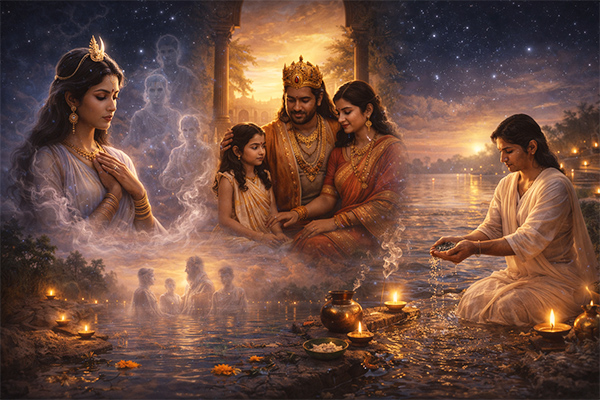
According to ancient scriptures, the tradition of performing Shraadh on Amavasya originates from the story of Acchoda, a celestial being from the Barhishadha lineage. The Barhishadhas survive on Somras , the essence of peace and happiness.
Acchoda felt deep sorrow because she had never experienced the affection of a father. Her grief invoked the attention of the Pitrus (ancestral beings), who advised her to take human birth to fulfill this longing. She was reborn as the daughter of King Amavasu, where she finally received love, care, and a nurturing family environment.
In gratitude for the blessings she received, Acchoda organized a special ritual to honor the Pitrus. This act became the foundation of the Shraadh tradition, establishing the belief that performing rituals for departed ancestors brings peace to their souls and blessings to the living.
This story highlights the importance of gratitude, remembrance, and honouring one’s lineage-key aspects of Darsha Amavasya observances.
DARSHA AMAVASYA – THE DAY FOR TARPAN OF ANCESTORS

Darsha Amavasya is regarded as one of the most suitable days for performing tarpan, a sacred ritual dedicated to the peace and upliftment of departed ancestors. Since the Moon is not visible on this day, it symbolizes a powerful opening for connecting with the ancestral realm. As per Vedic belief, offerings made during Amavasya reach the Pitrus more effectively and bring their blessings to the family.
Why Tarpan Is Performed on This Day
- To honor and express gratitude to departed souls
- To seek forgiveness and resolve ancestral karmic debts
- To reduce Pitru Dosha and obstacles linked to the family lineage
- To invite peace, harmony, and prosperity into the home
What Devotees Offer in Tarpan
- Water mixed with black sesame seeds (til)
- Barley, kusha grass, and sacred water
- Prayers for guidance and blessings
Performing tarpan on Darsha Amavasya is believed to support the spiritual journey of ancestors while bringing emotional stability, progress, and protection to the living members of the family.
RECOMMENED PUJAS & RITUAL TOOLS FOR DARSHA AMAVASYA
Darsh Amavasya Shanti Puja
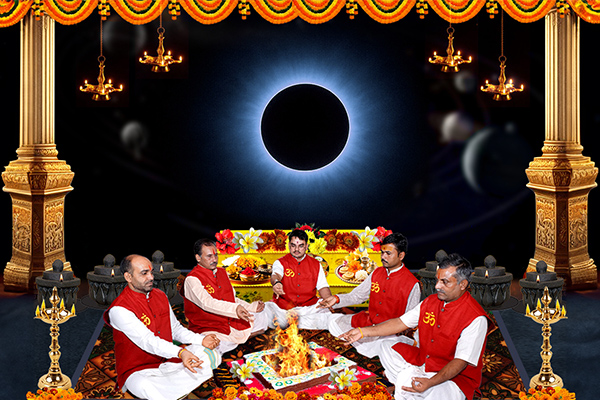
This puja is performed to bring peace, remove negative energies, and balance lunar influences on Darsha Amavasya for emotional stability and prosperity.
Buy Darsh Amavasya Shanti Puja
Shradh Puja / Pind Daan / Tarpan Puja for Peace of Departed Souls
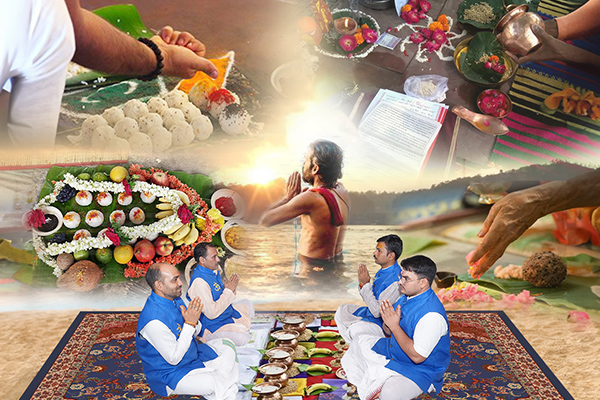
This sacred ritual helps appease ancestors, bring peace to departed souls, and invite their blessings for harmony, progress, and protection.
Buy Shradh / Pind Daan / Tarpan Puja
Tripindi Shradh Mahapuja at Trimbakeshwar
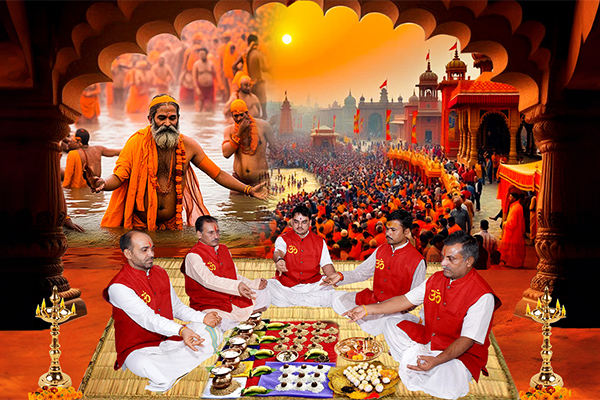
A powerful ancestral healing puja performed at Trimbakeshwar to resolve Pitru Dosha, clear lineage obstacles, and bring peace to ancestral souls.
Buy Tripindi Shradh Mahapuja at Trimbakeshwar
Tripindi Shraddh Puja at Prayagraj
Conducted at the sacred confluence of Prayagraj, this puja helps liberate ancestral energies, reduce karmic blockages, and promote family well-being.
Buy Tripindi Shraddh Puja at Prayagraj
Tarpan Set
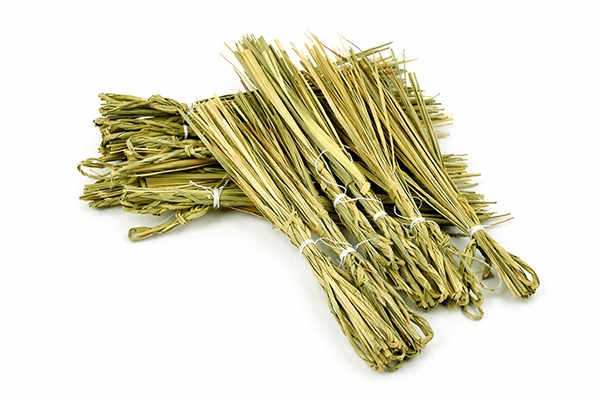
A complete, easy-to-use ritual kit containing essential items required for performing tarpan and ancestral offerings at home.
Buy Tarpan Set
CONCLUSION
Darsha Amavasya is a spiritually significant day dedicated to inner cleansing, ancestral remembrance, and the worship of Chandra Dev. Observing the vrat, performing tarpan, and offering prayers on this tithi help devotees purify their energies, receive ancestral blessings, and invite peace and prosperity into their lives. As the beginning of a new lunar cycle, Darsha Amavasya encourages reflection, gratitude, and positive intention-setting for the month ahead.
-in-Astrology.jpg)
.jpg)


Comments 0
Leave your thought here