

Bhagwan Lokapala, the celestial guardian of the directions, holds a vital place in the structure of Hindu cosmology. Rooted in the ancient Vedic and Puranic traditions, the Lokapalas are the divine protectors who govern the eight cardinal and intercardinal directions, ensuring cosmic order and balance in the universe. Each Lokapala rules a specific direction and is associated with unique attributes, elements, weapons, and vehicles, symbolizing their power and responsibility in maintaining dharma across space. These deities are invoked in rituals and temple architecture to sanctify and protect all dimensions of existence. Together, the eight Lokapalas form an energetic shield, presiding over the cosmic mandala and establishing divine harmony throughout the physical and spiritual realms.
Who is Bhagwan Lokapala?
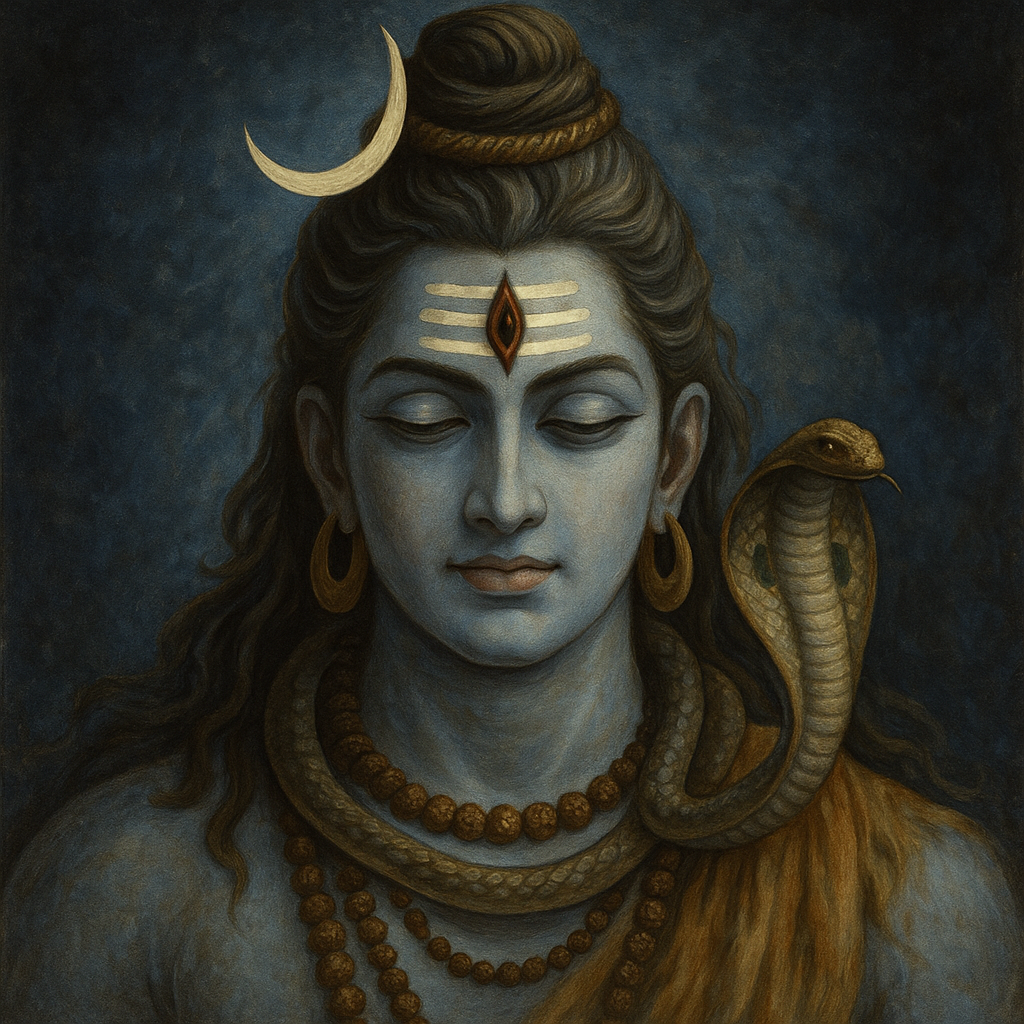
Bhagwan Lokapala refers not to a single deity but to a group of divine guardians who protect the eight directions of the universe in Hindu cosmology. These eight deities, known collectively as the Ashta-Dikpalas, form an essential component of the Hindu pantheon, maintaining order and balance across all spatial dimensions. Each Lokapala presides over a specific direction; Indra (East), Agni (Southeast), Yama (South), Nirrti (Southwest), Varuna (West), Vayu (Northwest), Kubera (North), and Ishana (Northeast). Their presence is crucial in rituals, temple architecture, and Vastu practices, where they are invoked to purify and safeguard the sacred space. Although each Lokapala has distinct origins and family connections, many are closely linked to major deities like Shiva and Vishnu. For instance, Agni is a primordial Vedic god of fire, Yama is the son of Surya, and Ishana is a form of Bhagwan Shiva. Together, the Lokapalas serve as divine sentinels, ensuring that the cosmic order remains undisturbed.
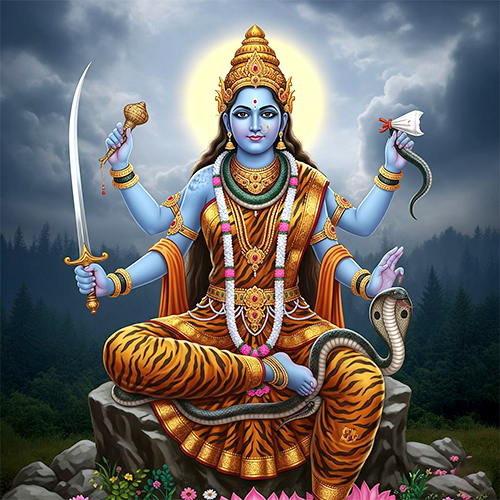
Each Lokapala is symbolically represented by specific elements that signify their nature and divine function. They are identified by unique vehicles (vahanas) and weapons that highlight their power and role. Indra rides the white elephant Airavata and carries the thunderbolt (Vajra), representing might and authority. Agni rides a ram and holds a flaming spear, embodying the transformative force of fire. Yama, mounted on a buffalo, wields a noose, symbolizing his dominion over death. Nirrti is associated with a lion and a sword, indicating destruction and dissolution. Varuna, the deity of oceans, rides a crocodile and carries a noose, signifying control over the waters and cosmic law. Vayu rides a deer and holds a fan or flag, representing the subtle power of wind. Kubera, the god of wealth, is seen riding a man or a horse, and holding a mace and money bag, denoting prosperity and protection. Ishana, the Shiva aspect, rides a bull and bears a trident, embodying spiritual authority and divine wisdom. These symbolic elements express the energy and responsibility each guardian holds within the cosmic framework.
Significance of Lokapalas
The Lokapalas hold profound philosophical and spiritual significance within Hindu thought, representing the divine forces that maintain order in the cosmos. As guardians of the eight directions, they symbolize the omnipresence of divinity and the sanctity of space. In the spiritual dimension, invoking the Lokapalas during rituals or temple consecration signifies the act of aligning the human realm with the cosmic structure, thereby invoking protection, harmony, and balance. Each Lokapala embodies a specific aspect of nature and consciousness, guiding spiritual seekers to recognize the interconnectedness of all directions, elements, and energies. Their presence in mandalas, yantras, and temple layouts reflects the Hindu view that every direction holds divine energy which must be honored and harmonized for spiritual progress and worldly well-being.
Regionally and sect-wise, the Lokapalas are especially prominent in Shaiva, Vaishnava, and Vastu traditions. Temples in South India, particularly in Tamil Nadu and Karnataka, often feature shrines or carvings dedicated to the Lokapalas at the periphery of the sanctum or in outer enclosures, symbolizing their protective presence. In Vastu Shastra, the Lokapalas govern the spatial zones of dwellings and temples, and their blessings are invoked to ensure harmony with natural forces. Though there are no major pan-Indian festivals solely dedicated to all eight Lokapalas collectively, individual deities among them, such as Indra, Agni, Yama, and Varuna, are worshiped during specific rituals and seasonal festivals. For instance, Indra is honored during Indra Jatra in Nepal, Yama during Yama Dwitiya (part of Diwali), and Agni is central to all fire-based Vedic rituals. These observances highlight the enduring reverence for the Lokapalas as essential custodians of cosmic and terrestrial realms.
Iconography & Symbolism
The iconography of the Lokapalas presents them as majestic and powerful deities, each distinct in physical form to reflect the essence of the direction they guard. They are typically depicted with multiple arms, adorned in royal garments and elaborate jewelry, signifying their divine authority and cosmic responsibility. Each guardian carries weapons and emblems that reflect their nature and function. Indra, for instance, holds the thunderbolt and is shown in a commanding posture; Agni is fiery in expression, with flames rising from his body; Yama appears stern and serious, representing justice and death; Varuna often bears a noose and exudes serenity and control. Their physical forms are not only divine but also symbolic of the natural forces they preside over, reinforcing their roles as protectors of universal order.
In temple art and sculptures, the Lokapalas are prominently featured on the outer walls and gateways, especially in South Indian temples built according to Agama Shastra and Vastu principles. These guardians are placed in accordance with their directional roles, forming a sacred protective perimeter around the central deity. Intricately carved on pillars, doorways, and gopurams, they serve both a symbolic and functional role in temple architecture. In temples dedicated to Shiva or Vishnu, their images ensure the sanctity of space and act as spiritual sentinels. Their representations in Hindu temples are not just decorative but are aligned with cosmic geometry and ritual practice, maintaining the balance between the spiritual core and the surrounding world.
Color symbolism, posture, and mudras of the Lokapalas are closely aligned with their elemental associations. Indra is often shown in golden or white tones, reflecting light and authority. Agni appears in red or orange hues, evoking the fiery nature of transformation. Yama is rendered in darker shades like deep blue or black, representing death and the unknown. Varuna is depicted in blue, echoing the vastness of the ocean. Each deity’s posture reflects strength, readiness, and vigilance. Their hands are often in protective or warning mudras, such as the abhaya (fearlessness) and varada (boon-giving) mudras, reinforcing their role as guardians. The symbolic gestures and colors together communicate divine energy, direction-specific qualities, and spiritual protection.
Origin of the Lokapalas
The origin of the Lokapalas is deeply rooted in Vedic and Puranic cosmology, where they emerge as embodiments of divine order assigned to guard the eight directions of the universe. Their mythological beginnings are not traced to a single birth story but are rather woven into the broader cosmic framework established in the Vedas. The Rigveda and other early texts mention several of these deities, such as Indra, Agni, and Varuna, not just as directional guardians but as primary forces of nature. Over time, these deities came to be collectively recognized as the Ashta Dikpalas or Lokapalas, with each assigned to a cardinal or intercardinal direction to protect and regulate cosmic space.
In later texts like the Ramayana, Mahabharata, and the Puranas, the Lokapalas appear in scenes involving major cosmic events and divine interventions. Indra frequently interacts with gods and humans, including granting boons and offering aid to Rama in the Ramayana and Arjuna in the Mahabharata. Agni’s role in the Mahabharata is pivotal during the burning of the Khandava forest, where he is assisted by Krishna and Arjuna. Yama is featured in the discourse on death and dharma, especially in his interaction with Yudhishthira. Varuna plays a cosmic role in maintaining the law of waters and is invoked in rituals for purification and truth. While these stories do not describe a collective avatar of the Lokapalas, their appearances in epic narratives reinforce their divine mandates and connect them to significant cosmic and moral developments. Their presence across these scriptures establishes them as eternal forces rather than incarnated beings, appointed by the Supreme to uphold dharma and safeguard creation in all directions.
Legends and Stories
Several popular tales highlight the power and roles of the individual Lokapalas, reflecting their unique attributes and responsibilities within the cosmic order. Each story emphasizes their divine authority and interaction with other deities and beings.
Indra and Vritra
Indra, the guardian of the East and king of the gods, is most well-known for his battle against the asura Vritra. Vritra had taken control of the waters of the world, leading to drought and suffering. Indra, armed with the Vajra (thunderbolt) gifted by sage Dadhichi, fought and slew Vritra, thereby releasing the waters and restoring balance. This tale symbolizes Indra’s role as the protector of life and order through his control over rain and thunder.
Agni and the Khandava Forest
Agni, the deity of fire and guardian of the Southeast, once desired to consume the Khandava forest but was unable to do so due to the constant interference of Indra, who protected the forest with rain. Agni approached Krishna and Arjuna for help. With their aid, he finally consumed the forest, symbolizing the cleansing and transformative power of fire. This legend from the Mahabharata highlights Agni’s cosmic role in transformation and renewal.
Yama and Nachiketa
Yama, the god of death and guardian of the South, is central to the famous story of Nachiketa found in the Katha Upanishad. A young boy, Nachiketa, meets Yama and questions him about the mystery of death and the soul. Pleased with Nachiketa’s wisdom and determination, Yama imparts deep spiritual truths about the self, immortality, and liberation. This tale establishes Yama as not only the ruler of death but also a teacher of eternal wisdom.
Varuna and the Binding Noose
Varuna, guardian of the West and god of cosmic order, is known for his association with the binding noose (Pasha). One legend describes how Varuna uses this noose to bind those who commit sins and violate cosmic law. His role is not one of punishment alone but of correction and justice. As the upholder of Satya (truth) and Rta (cosmic order), Varuna ensures the moral fabric of the universe is maintained.
Each of these stories highlights the distinct nature of the Lokapalas and their enduring presence in maintaining universal harmony, through protection, transformation, justice, and balance.
Spiritual Lessons from the Lokapalas
The tale of Indra and Vritra teaches that divine courage and righteous action can overcome even the most powerful obstructions. When Indra defeats Vritra, the demon who had trapped the world’s waters, it symbolizes the release of natural flow and abundance. This reflects the deeper truth that when one acts with strength, guided by higher purpose and divine support, any form of darkness or stagnation can be dissolved. The story is a reminder that persistence and dharma ultimately restore harmony.
The story of Agni consuming the Khandava forest conveys the transformative power of fire, both physically and spiritually. Agni, unable to fulfill his purpose due to obstacles, finally succeeds with the help of Krishna and Arjuna. Spiritually, this represents the need to burn away inner impurities and attachments to allow renewal. It teaches that destruction, when aligned with divine will, is not negative but a necessary step for evolution and growth. The lesson encourages surrender, discipline, and trust in transformation.
The dialogue between Yama and Nachiketa stands as one of the most profound spiritual teachings in Hinduism. Nachiketa’s fearlessness in questioning the Bhagwan of Death about the nature of the soul leads to revelations about the eternal Self. This story emphasizes the importance of inner inquiry, courage in the face of mortality, and the pursuit of true knowledge over fleeting material gains. It encourages seekers to look beyond the physical and realize the unchanging essence of the soul.
Varuna’s role as the upholder of truth through his binding noose symbolizes the working of karma and cosmic justice. His noose does not punish arbitrarily but draws individuals toward awareness of their actions and their consequences. This tale serves as a reminder that every deed is recorded in the cosmic order, and living in alignment with truth and dharma leads to harmony, while deviation invites correction. It reinforces the importance of moral responsibility and the unseen laws that govern life.
Together, these stories of the Lokapalas carry timeless messages that guide spiritual seekers toward strength, purification, truth, and accountability. They reflect the divine forces constantly at work to maintain the balance between chaos and order in both the universe and the human soul.
Puja Vidhi at Home
Required Materials
- Panchamrit (mixture of milk, curd, honey, ghee, and sugar)
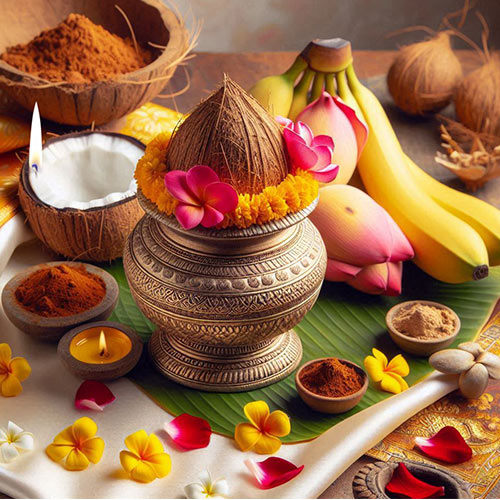
- Kalash (copper or brass pot filled with water)
- White cloth or chowki
- Images or yantras of the eight Lokapalas (or directional representation using eight diya placements)
- Sandalwood paste
- Kumkum and turmeric
- Flowers (preferably lotus, marigold, or jasmine)
- Incense sticks and dhoop
- Ghee lamp (diya)
- Fruits and sweets for naivedya
- Conch or bell
- Water for purification
- Camphor for aarti
Step-by-Step Home Puja Guide
- Purification : Begin by cleaning the space and taking a bath. Sprinkle Ganga jal or purified water in all eight directions, chanting 'Om Apavitrah Pavitro Va...' for purification.
- Setup : Place a chowki or white cloth and arrange the images or yantras of the Lokapalas, symbolically placing them in their respective directions (East to Indra, Southeast to Agni, South to Yama, Southwest to Nirriti, West to Varuna, Northwest to Vayu, North to Kubera, Northeast to Ishana).
- Kalash Sthapana : Place a Kalash in the center, symbolizing the central axis (Brahmasthan), and decorate it with mango leaves and coconut. This becomes the seat of invoked divine presence.
-
Invocation (Avahanam)
: Light incense and ghee lamp. Chant:
“Om Indraya Namah” (East)
“Om Agnaye Namah” (Southeast)
“Om Yamaya Namah” (South)
“Om Nirrutaye Namah” (Southwest)
“Om Varunaya Namah” (West)
“Om Vayave Namah” (Northwest)
“Om Kuberaaya Namah” (North)
“Om Ishanaya Namah” (Northeast) - Offerings (Upacharas) : Offer sandalwood paste, kumkum, flowers, incense, lamp, and naivedya (fruits or sweets) to each direction with the respective mantra.
- Meditation and Prayer : Sit in silent meditation, visualizing the divine guardians blessing your space and shielding you from negative energies in all directions.
Chanting and Aarti Process
Recite the general mantra:
“Om Ashta Dikpalebhyo Namah”
– repeated 108 times or as convenient.
Follow this with a collective aarti using camphor:
Wave the aarti in all eight directions in a clockwise circle, chanting:
“Om Sarva Disha Rakshakaya Namah”
“Om Shantaya, Om Balaya, Om Kshemaaya Namah”
Ring the bell gently and end the puja by offering gratitude and requesting the Lokapalas to remain as protectors of your home and life.
Distribute the prasad and conclude with:
“Om Shanti Shanti Shantih”
This puja, even when done with simple devotion and symbolic placement, creates a spiritually shielded and balanced environment in the home.
Mantras Dedicated to the Lokapalas
Each mantra corresponds to one of the eight directional guardians, and chanting them invokes protection, harmony, and balance from that specific direction.
Indra (Guardian of the East)
Om Indrāya Namah
Meaning
: Salutations to Bhagwan Indra
Benefit
: Grants strength, leadership, and victory; removes obstacles and energizes the space from the eastern direction.
Agni (Guardian of the Southeast)
Om Agnaye Namah
Meaning
: Salutations to Bhagwan Agni
Benefit
: Enhances transformation, purifies energies, and supports health and digestion; protects from inner and outer impurities.
Nirriti (Guardian of the Southwest)
Om Nirṛtyai Namah
Meaning
: Salutations to Goddess Nirriti
Benefit
: Guards against illness, poverty, and negative energies; strengthens emotional stability and vastu balance in the southwest.
Varuna (Guardian of the West)
Om Varuṇāya Namah
Meaning
: Salutations to Bhagwan Varuna
Benefit
: Brings truth, peace, and purification; governs emotional flow, water balance, and promotes inner integrity.
Vayu (Guardian of the Northwest)
Om Vāyave Namah
Meaning
: Salutations to Bhagwan Vayu
Benefit
: Energizes movement, communication, and life force (prana); removes mental restlessness and fosters clear thinking.
Kubera (Guardian of the North)
Om Kuberāya Namah
Meaning
: Salutations to Bhagwan Kubera
Benefit
: Attracts wealth, prosperity, and financial stability; protects material assets and fosters abundance.
Ishana (Guardian of the Northeast)
Om Īśānāya Namah
Meaning
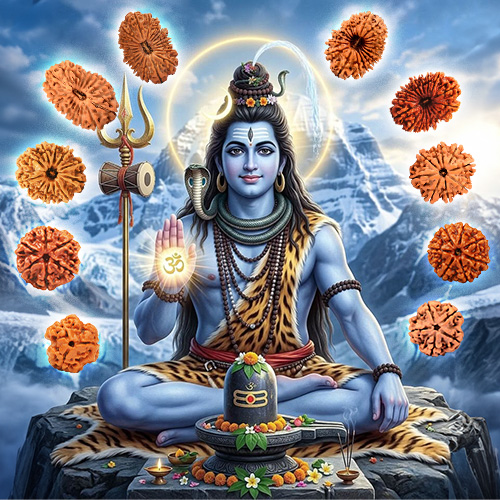
: Salutations to Bhagwan Ishana (a form of Shiva)
Benefit
: Enhances spiritual wisdom, divine grace, and inner awakening; purifies the mind and uplifts spiritual energy.
Regular chanting of these mantras while facing their respective directions helps in aligning your inner and outer space with divine protection, harmony, and balance. They are ideal during vastu pujas, spiritual sadhana, and daily purification rituals.
Benefits of Worshipping the Lokapalas
Worship of the Lokapalas, the guardians of the four cardinal directions in Hindu tradition, brings significant spiritual, mental, and material benefits. Spiritually, honoring the Lokapalas aligns devotees with the cosmic order and the energies of each direction, fostering a sense of universal harmony and divine protection. Mental advantages include increased clarity, focus, and peace of mind, as the rituals and orientation associated with Lokapala worship help structure daily life and decision making. Materially, devotees often experience enhanced prosperity, success, and well-being, as each Lokapala governs specific aspects of worldly life, such as wealth, health, and protection from negative influences.
Key benefits of worshipping the Lokapalas include:
- Spiritual alignment with the cosmic order
- Enhanced divine protection from negative influences
- Greater peace of mind and mental clarity
- Increased prosperity and material abundance
- Improved success in business and daily endeavors
- Harmonious energy flow in living and working spaces
- Better health and well-being through directional balance
- Removal of obstacles and negative energies
- Guidance in important life decisions
- Strengthened connection to tradition and sacred rituals
The practice of invoking the Lokapalas is deeply integrated into Vedic rituals, temple architecture, and daily life, ensuring that devotees remain attuned to the energies governing each direction and receive their blessings in all spheres of existence.
Temples Dedicated to the Lokapalas
Temples rarely focus solely on the Lokapalas but consistently feature their images at the cardinal points of major Hindu and Buddhist temple complexes. Their placement at gateways and walls follows ancient prescriptions, symbolizing protection and cosmic order. Lokapalas are invoked during temple rituals and city planning to maintain spiritual balance and safeguard sacred spaces.
Their iconography, often riding elephants and holding distinct symbols, appears in temple entrances and on reliefs, especially in regions influenced by Vedic and Agamic traditions. In Buddhist temples, the Four Heavenly Kings serve a similar protective role at entrances and tombs.
Major sites honoring the Lokapalas include the Prambanan Temple Complex in Indonesia, with detailed carvings and shrines at cardinal points, and Bali’s Catur Loka Pala temples, each marking a direction and serving as important pilgrimage centers. Angkor Wat in Cambodia integrates Lokapala symbolism into its layout.
In India, temples like Lingaraja in Bhubaneswar display Lokapala images at entrances, following traditional architectural guidelines. In East and Southeast Asia, Buddhist temples feature Lokapala statues as guardians at entry points. Their presence in architecture and ritual highlights their enduring role as protectors and maintainers of cosmic harmony.
Presence in Other Traditions
Lokapalas have a significant presence beyond Hinduism, shaping religious and cultural practices in Buddhism, Jainism, and throughout Southeast Asia. In Buddhism, the Lokapalas are known as the Four Heavenly Kings, each guarding a cardinal direction and upholding the Dharma. These deities, Dhritarashtra (east), Virudhaka (south), Virupaksha (west), and Vaishravana (north), protect the universe from negative forces and are commonly depicted at temple entrances across Asia. Their roles extend to leading celestial armies and ensuring favorable conditions for society, such as peace and good harvests. In Tibetan Buddhism, local deities and spirits were incorporated as Lokapalas, bound by oath to protect Buddhist teachings and practitioners, though they are not objects of refuge but are invoked for practical protection and removal of obstacles.
In Jainism, Lokapalas function as border guardians and are considered a class of celestial beings responsible for protecting the quarters of the universe. Their role is more administrative and protective, serving under the Tirthankaras and ensuring the safety of sacred spaces and devotees. Jain texts also refer to Lokapalas as “custodians” emphasizing their function as divine protectors within the cosmological hierarchy.
Southeast Asia integrates Lokapala concepts into both Hindu and Buddhist traditions. Temples in Indonesia, Cambodia, and Thailand feature Lokapala iconography, especially in the form of the Four Heavenly Kings in Buddhist contexts. These deities are incorporated into local beliefs, often merging with indigenous spirits and guardian figures, and play a visible role in temple architecture and ritual life. In Chinese and Japanese Buddhism, the Four Heavenly Kings are central to temple design and are venerated as protectors of the Dharma and the community.
Comparative mythology reveals that the Lokapala archetype, directional guardians maintaining cosmic order, appears in multiple traditions. Hinduism and Buddhism share the concept of divine protectors assigned to cardinal directions, though the deities’ identities and attributes may differ. In both systems, these guardians symbolize the maintenance of balance and the safeguarding of sacred spaces. The adaptation of Lokapalas into Buddhist and Jain frameworks, and their integration with local spirits in Southeast Asia, demonstrates the fluidity and enduring relevance of the guardian deity motif across cultures and epochs.
Lokapalas: Pillars of Cosmic Balance
Lokapalas are the appointed guardians of the universe’s cardinal directions, each entrusted with a specific realm of influence. Indra governs the east, Agni the southeast, Yama the south, Nirriri the southwest, Varuna the west, Vayu the northwest, Kubera the north, and Ishana the northeast. Their roles extend beyond protection, as they regulate the elements, uphold natural law, and ensure that cosmic forces remain in harmony. Temples and sacred spaces often feature their images at entrances and corners, symbolizing the sanctity and order they maintain. Lokapalas represent the integration of divine authority with the physical world, serving as a constant reminder that universal stability depends on vigilant guardianship and adherence to cosmic principles. Their enduring presence in religious rituals and architecture underscores their foundational role in sustaining balance and order throughout existence.
-in-Astrology.jpg)
.jpg)


Comments 0
Leave your thought here