

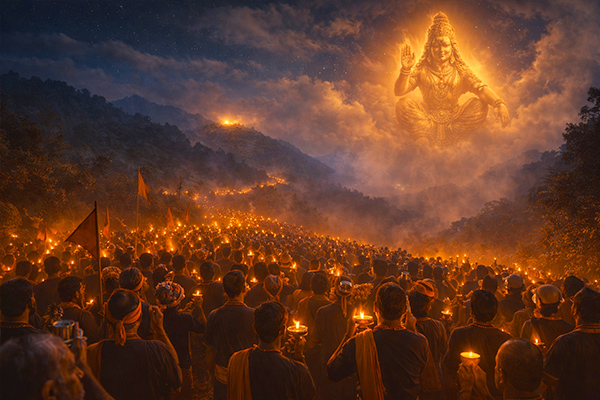
Makara Vilakku is one of Kerala’s most sacred festivals, celebrated annually at the famous Sabarimala Ayyappa Temple. Observed on the day of Makara Sankranti, it marks the divine moment when devotees gather to witness the sacred Makara Jyoti and the ritualistic light known as Makara Vilakku. This auspicious event draws millions of devotees and ascetics from across India, who undertake the pilgrimage to Sabarimala to receive the blessings of Lord Ayyappa, the divine son of Lord Shiva and Mohini.
When is Makara Vilakku Celebrated?
Makara Vilakku on Wednesday, January 14, 2026
Makara Vilakku Sankranti Moment - 03:13 PM
Makar Sankranti on Wednesday, January 14, 2026
This is the most important day of the Sabarimala pilgrimage, when devotees gather to witness the Makara Jyoti and the sacred Makara Vilakku, marking the beginning of the 7-day festival celebrations.
What is Makara Vilakku? (Meaning & Festival Overview)
_201800.jpg)
Makara Vilakku is a sacred ritual and festival observed at the Sabarimala Ayyappa Temple on the first day of Makara Masam in the Malayalam calendar-coinciding with Makara Sankranti.
- The word “Makara” refers to the zodiac sign Capricorn.
- “Vilakku” means light.
On this divine day, devotees gather to witness two powerful events:
1. Makara Jyoti – the bright celestial star (Sirius) appearing in the eastern sky.
2. Makara Vilakku – the sacred light that appears thrice from the forests of Ponnambalamedu.
These two sightings are considered spiritually transformative, symbolizing the presence, blessings, and grace of Lord Ayyappa. Devotees believe that witnessing Makara Vilakku fulfills wishes, purifies the mind, and completes their spiritual journey of the Sabarimala pilgrimage.
Who is Lord Ayyappa?
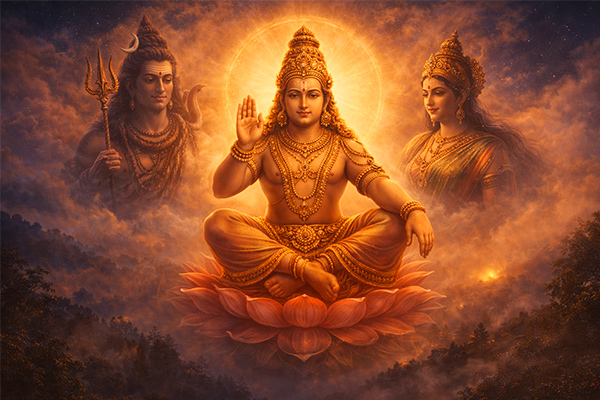
Lord Ayyappa, revered as Dharma Shastha , is believed to be the divine son of Lord Shiva and Mohini, the enchanting form of Lord Vishnu. Symbolizing purity, celibacy, and righteousness, Ayyappa Swami is worshipped as the protector of devotees and the embodiment of discipline and spiritual strength. His abode at Sabarimala is one of India’s most significant pilgrimage sites, attracting millions who undertake strict austerities and a 41-day vrat to receive His blessings during the Makara Vilakku festival.
Importance And Significance Of Makara Vilakku
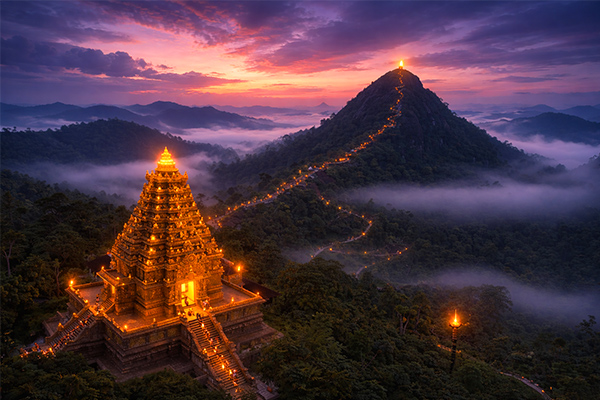
Makara Vilakku is one of the most sacred and emotionally uplifting festivals for Lord Ayyappa devotees. It marks the divine appearance of Makara Jyoti, the bright Sirius star rising above the Ponnambalamedu hills, followed by the ritualistic light known as Makara Vilakku, seen thrice from Sabarimala. These two sacred phenomena symbolize the divine presence and blessings of Ayyappa Swami.
The festival also holds deep cultural and spiritual importance due to the Thiruvabharanam procession, where the golden ornaments of Lord Ayyappa are ceremoniously carried from the Pandalam palace to the Sabarimala temple. Devotees believe that the presence of Garuda (the eagle) escorting the procession signifies divine approval.
Makara Vilakku is observed during Makara Sankranti, the time when Surya Dev begins his northward journey (Uttarayana). This cosmic transition represents new beginnings, spiritual elevation, and gratitude for nature’s abundance. For devotees, witnessing Makara Jyoti and Makara Vilakku completes their Sabarimala pilgrimage and reaffirms their faith with the chant of “Swamiye Saranam Ayyappa.”
The Thiruvabharanam Journey (Ayyappa’s Holy Ornaments)
_201803.jpg)
The Thiruvabharanam , the sacred gold ornaments of Lord Ayyappa, play a central role in the Makara Vilakku festival. These divine ornaments are housed in the Pandalam Palace, where Lord Ayyappa is believed to have spent His childhood. The royal family of Pandalam remains the traditional custodian of these treasures.
Every year, a grand procession carries the Thiruvabharanam from Pandalam to the Sabarimala temple. The journey spans multiple days and is accompanied by Vedic chanting, traditional music, and thousands of devotees walking alongside the sacred caskets. A divine sign witnessed over the years is the appearance of an eagle (Garuda) flying above the procession, believed to symbolize Lord Vishnu’s blessing and protection.
Upon arrival at Sabarimala, the ornaments are ceremoniously placed on the idol of Lord Ayyappa. The Deeparadhana that follows marks one of the most spiritually charged moments of the festival. Soon after, the Makara Jyoti is sighted in the eastern sky, completing the divine sequence of events that devotees eagerly await all year.
Darshan Points for Makara Vilakku (9 Locations)
_201814.jpg)
Devotees gather across various points in and around Sabarimala to witness the sacred sighting of the Makara Jyoti and Makara Vilakku . The most prominent viewing spots include nine key locations:
1. Sannidhanam
The main temple premises where the majority of devotees assemble for darshan.
2. Paandithavalam
A traditional resting and viewing point near the temple.
3. Saramkuthi
A significant spot where pilgrims traditionally rest during their journey.
4. Marakootam
A popular location offering a clear view of the Ponnambalamedu hills.
5. Pulmedu
Known for its elevated hillside view, offering one of the clearest sights of the Makara Jyoti.
6. Hilltop
A vantage point providing a panoramic outlook of the surroundings.
7. Neelimala
A steep and scenic viewpoint on the pilgrimage route.
8. Chalakayam
A riverside area near Pampa, often chosen by devotees unable to climb further.
9. Attathodu
Another traditional location for witnessing the sacred lights.
These viewing points accommodate thousands of devotees who gather with devotion to witness the divine spectacle.
Makara Vilakku Vrat Vidhi And Rituals
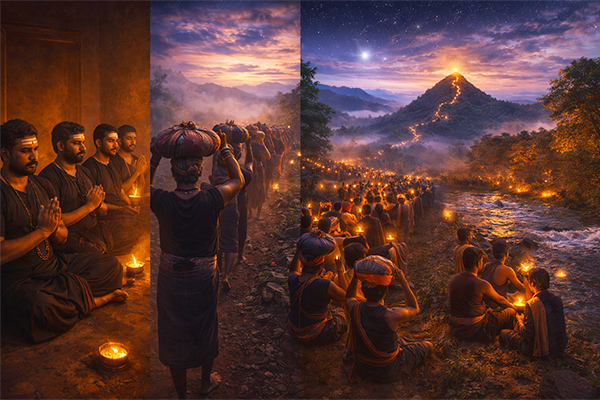
The Makara Vilakku festival requires devotees to follow a strict and disciplined 41-day vrat known as Mandala Kalam before visiting the Sabarimala Ayyappa Temple. This period of austerity purifies the body, mind, and soul, preparing devotees to receive the blessings of Lord Ayyappa.
1. Mandala Kalam – 41 Days of Austerity
The vrat begins on the first day of the Malayalam month Vrichikam. Devotees are expected to live a life of purity and simplicity throughout this period.
Rules & Observances:
- Eat only vegetarian food; usually one simple meal per day
- Abstain from alcohol, smoking, and all intoxicants
- Practice complete celibacy
- Sleep on the floor
- Walk barefoot
- Pray and meditate daily (preferably twice a day)
- Avoid shaving, trimming hair, or grooming
- Wear black, deep blue, or saffron clothes
- Maintain humility and avoid hurting others
Men who undertake the vrat wear a Rudraksha or Tulsi mala with a locket of Lord Ayyappa and remove it only after Makara Vilakku darshan.
Women are allowed to visit Sabarimala only if they are aged above 50 or below 10 years.
2. Irumudi Kettu – The Sacred Bundle
Devotees carry the Irumudi or Ketunira, a cloth bag with two compartments:
Front compartment (for Ayyappa):
- Coconut filled with ghee
- Rice
- Sacred offerings
Rear compartment (for personal needs):
- Essentials for the pilgrimage
The Irumudi is offered at the Sannidhanam during the Makara Vilakku visit.
3. The Pilgrimage to Sabarimala
Devotees walk barefoot from Pampa to Sabarimala, crossing forests, hills, and rough terrains.
No vehicles are allowed beyond Pampa.
Before the final climb, pilgrims perform darshan at Pampa Ganapathi Temple.
4. Observances After Darshan
- Visit the Guruvayur Krishna Temple as part of tradition
- Some devotees stay in Sabarimala until the 7-day festival concludes with Kuruthi Puja
The vrat concludes only after witnessing the Makara Vilakku and offering prayers to Lord Ayyappa.
Importance of Makara Jyoti & Makara Vilakku (Scientific + Spiritual Perspective)

Makara Vilakku is deeply meaningful for devotees as it combines celestial phenomena with ancient sacred traditions. Understanding the distinction between Makara Jyoti and Makara Vilakku enhances the spiritual experience.
1. Makara Jyoti – The Celestial Star
The Makara Jyoti is the bright Sirius star, visible in the eastern sky above Ponnambalamedu on the day of Makara Sankranti.
Spiritual Significance:
- Symbolizes divine presence and cosmic blessings
- Marks the start of Uttarayana, a spiritually uplifting six-month period
- Devotees believe that sighting the star purifies the mind and fulfills prayers
Scientific Perspective:
- Sirius is the brightest star in the night sky
- Its rising on Makara Sankranti aligns with Earth's solar transition from Sagittarius to Capricorn
2. Makara Vilakku – The Sacred Ritualistic Light
The Makara Vilakku is a sacred flame seen thrice from Sabarimala, traditionally lit at the temple in the Ponnambalamedu hills. This ritual was originally performed by the Malayaraya tribe and is now maintained by the Travancore Devaswom Board.
Spiritual Significance:
- Represents Lord Ayyappa’s divine acknowledgement of His devotees
- Symbolizes the light of knowledge that dispels ignorance
- Devotees experience an outpouring of devotion upon seeing the flame
Ritual Practice:
- After Makara Jyoti is sighted, camphor is lit during an Aarti at Ponnambalamedu
- The flame appears three times as Makara Vilakku, marking the divine moment
- The ritual continues following age-old traditions
Many devotees believe the Makara Vilakku is a celestial light-a sign of Lord Ayyappa’s presence, making the experience profoundly emotional and spiritually fulfilling.
Prasadam of Makara Vilakku
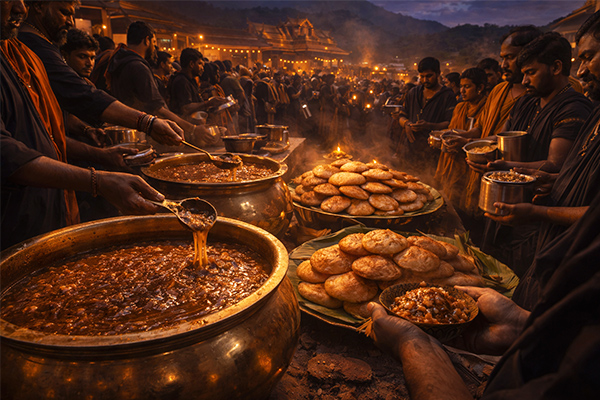
The Makara Vilakku festival concludes with the distribution of sacred prasadam, which devotees consider a powerful blessing from Lord Ayyappa. The two most cherished offerings are:
1. Aravana Payasam
A sweet preparation made from jaggery, rice, and ghee, Aravana Payasam is the signature prasadam of Sabarimala. Devotees believe it grants protection, fulfills wishes, and carries the divine energy of Lord Ayyappa.
2. Appam
Soft, sweet appams are offered to Ayyappa and later distributed as prasadam. Receiving and consuming this offering is considered auspicious and a symbol of divine nourishment.
Devotees eagerly take these prasadam items home, sharing them with family as a continuation of Lord Ayyappa’s blessings beyond the pilgrimage.
Recommended Pujas & Spiritual Products from Rudra Centre for Makara Vilakku
Makara Vilakku is a deeply spiritual journey that involves devotion, discipline, and surrender to Lord Ayyappa. To support devotees in this sacred observance, Rudra Centre offers a range of powerful pujas and spiritual products that enhance the vrat, purify energy, and invoke divine blessings.
Pitru Dosh Nivaran Puja at Prayagraj
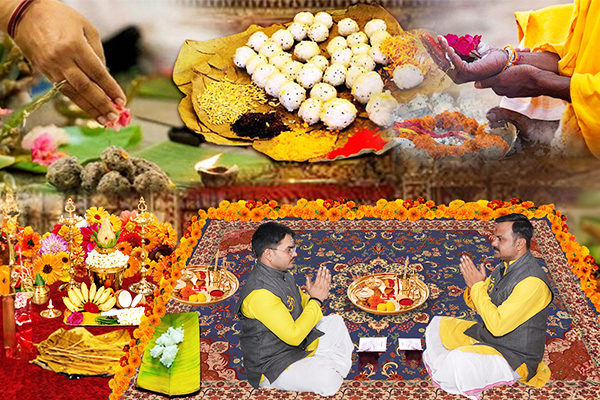
This powerful puja performed at the holy confluence of Prayagraj helps remove Pitru Dosha, resolve lineage-related obstacles, and invite peace and harmony for the family.
Buy Pitru Dosh Nivaran Puja at Prayagraj
Shradh Puja / Pind Daan / Tarpan Puja for Peace of Departed Souls
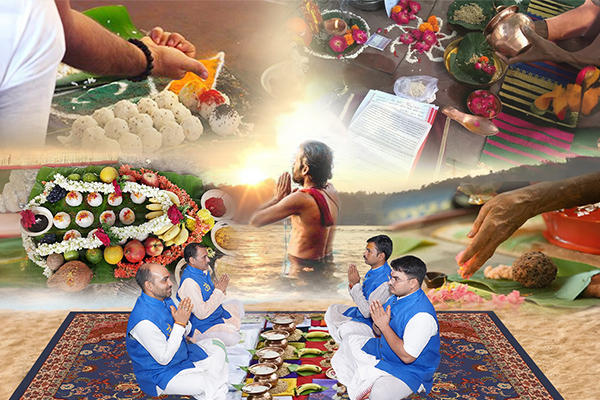
A sacred ritual to honour ancestors through pind daan and tarpan, bringing peace to departed souls and spiritual upliftment to devotees.
Buy Shradh Puja / Pind Daan / Tarpan Puja for Peace of Departed Souls
Lord Ayyappa Puja
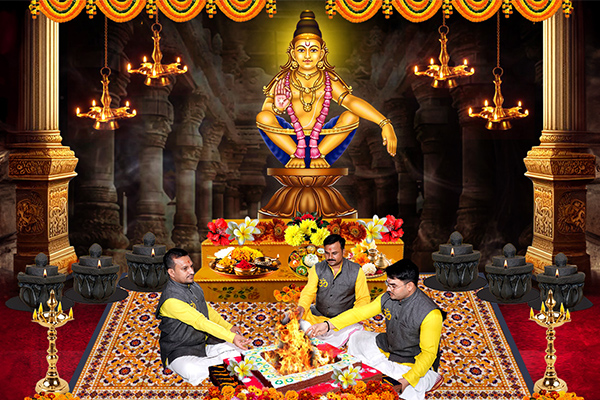
This puja invokes the blessings of Lord Ayyappa for protection, fulfillment of wishes, spiritual progress, and success in observing the Makara Vilakku Mandala Kalam.
Buy Lord Ayyappa Puja
Trijuti Rudraksha (Indonesia)
_201802.jpg)
A rare and powerful Rudraksha that enhances inner strength, spiritual focus, and divine protection—ideal for devotees practicing 41-day austerities.
Buy Trijuti Rudraksha (Indonesia)
Tulsi Mala (Range)
_201801.jpg)
A sacred Tulsi mala that supports purity, mental clarity, and devotion during prayers, meditation, and the Makara Vilakku vrat.
Buy Tulsi Mala
Lord Ayyappa 925 Silver Pendant
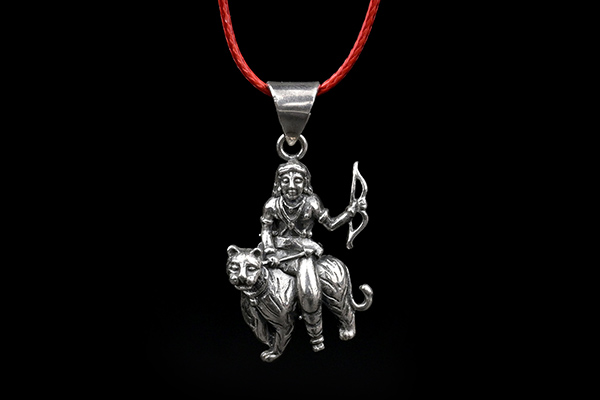
A beautifully crafted silver pendant of Lord Ayyappa that keeps His divine presence close, offering protection and blessings throughout the pilgrimage.
Buy Lord Ayyappa 925 Silver Pendant
Conclusion
Makara Vilakku is one of the most powerful and spiritually charged festivals celebrated at the Sabarimala Ayyappa Temple. It symbolizes divine grace, discipline, devotion, and the fulfillment of a sacred journey. The sighting of Makara Jyoti and Makara Vilakku fills devotees with profound faith, marking the completion of their 41-day vrat and reaffirming their connection with Lord Ayyappa.
The rituals, austerities, and pilgrimage undertaken during this period purify the mind and soul, guiding devotees toward righteousness and inner strength. With Lord Ayyappa’s blessings and the sacred traditions followed at Sabarimala, Makara Vilakku becomes not just a festival, but a transformative spiritual experience.
-in-Astrology.jpg)
.jpg)


Comments 0
Leave your thought here