

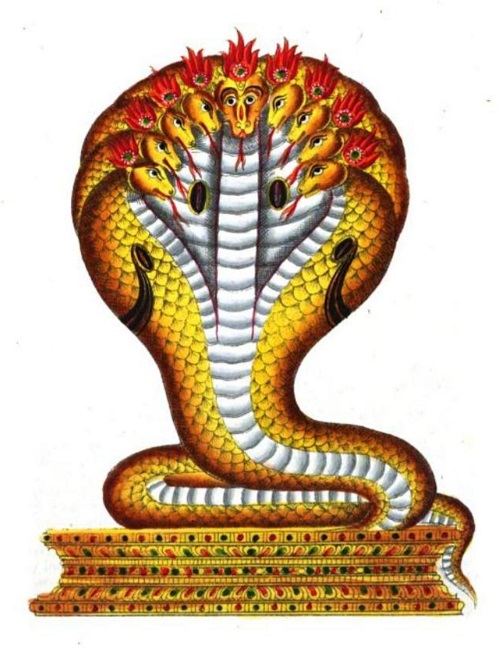
Shesha Naga, also known as Adishesha or Ananta Shesha, is one of the most mystical and awe-inspiring figures in Hindu cosmology. Revered as the King of all Nagas, he is not merely a celestial serpent but a divine force who sustains the fabric of the cosmos. From forming the bed of Lord Vishnu on the cosmic ocean to symbolizing the Kundalini energy within the human body, Shesha Naga bridges the seen and the unseen, the physical and the metaphysical. Mentioned in the Puranas, Mahabharata, and numerous sacred texts, he embodies infinity, stability, and spiritual awakening. This article explores the profound spiritual symbolism, mythological tales, and scriptural origins of Shesha Naga, tracing his presence across time, space, and sacred traditions.
Who Is Shesha Naga?
Shesha Naga, also called Adishesha or Ananta, is hailed as the Nagaraja, the King of all serpents (Nagas). He is one of the primal cosmic beings, born of Sage Kashyapa and his wife Kadru, and the elder brother of Vasuki, Takshaka, and Airavata. Unlike his siblings who often indulged in mischief or malice, Shesha was virtuous, devoted, and ascetic.
In the divine hierarchy, Shesha plays multiple roles:
Vahana and Bed of Vishnu: He is the sacred serpent who forms the divine couch on which Lord Vishnu reclines in the cosmic ocean, symbolizing the foundation of all existence.
Embodiment of Time and Stability: The name ‘Shesha’ means “that which remains,” signifying that he is eternal, present even after cosmic dissolution (Pralaya).
Sustainer of Earth: He balances the Earth on his vast hoods from beneath the netherworld (Patala), maintaining its cosmic position.
Manifestations in Avataric Forms: In different yugas, he incarnated as Lakshmana (brother of Rama), Balarama (brother of Krishna), and Patanjali (sage of yoga), always in divine service.
Cosmic Symbol: The thousand-headed Shesha is said to carry the planets and is associated with gravitational balance and the unbroken cycle of time.
Associated Elements:
Vahana (Vehicle): Shesha is not a vahana in the traditional sense, but he becomes the divine resting platform for Lord Vishnu.
Symbols: Coiled serpent, thousand heads with jewelled crowns, ocean of milk.
Spiritual Link: Deeply connected to Kundalini Shakti and the Sahasrara Chakra (thousand-petaled lotus).
Spiritual and Religious Significance of Shesha Naga
Shesha Naga holds a position of immense reverence in both the cosmic structure and spiritual symbolism of Hinduism. His very being represents foundational truths about the universe, time, and inner evolution.
Spiritual Significance
- Symbol of Eternity: As Ananta (endless), Shesha reflects the unbroken continuum of time, the eternal substrate that supports all creation and destruction.
- Kundalini Representation: The serpent form of Shesha is a divine mirror of the Kundalini Shakti that lies coiled at the base of the spine. His thousand heads are likened to the thousand-petaled Sahasrara Chakra, representing ultimate consciousness.
- Yogic Wisdom: In Kali Yuga, Shesha incarnated as Patanjali, the sage who codified the Yoga Sutras, showing his deep connection to the spiritual path of self-realization.
Religious Importance
- Preserver of Dharma: As the eternal servant of Lord Vishnu, Shesha plays a silent yet critical role in preserving cosmic order. He appears in Vishnu’s incarnations, supporting the work of Dharma through Lakshmana, Balarama, and other forms.
- Balancing Earth: His act of balancing the Earth on his hoods signifies his role in sustaining the world, literally and symbolically.
- Pujas for Kal Sarp Dosh Nivaran: Worship of Shesha Naga is prescribed in astrology and rituals to counteract the malefic influence of Kal Sarpa Dosha, believed to arise from adverse snake planetary alignments.
Regional and Sectarian Importance
- In Vaishnava traditions, Shesha is inseparable from Lord Vishnu, always depicted in his divine resting pose.
- In Shaiva texts, the snake is a symbol of time, death, and rebirth, a concept resonating with Shesha’s cosmic presence.
- In yogic and tantric schools, the serpent is not feared but revered as the force of inner awakening.
- Shesha Naga is thus not merely a divine serpent, but a living principle, a spiritual archetype of stability, surrender, time, and transcendence.
Iconography and Symbolism of Shesha Naga
Shesha Naga’s form is not just majestic, it is deeply symbolic, conveying metaphysical truths about the universe and the nature of divinity.
Physical Appearance and Symbolic Meaning
Multi-Headed Serpent: Shesha is most commonly depicted with five, seven, or a thousand heads, each crowned and radiating majesty. These heads represent infinite consciousness, omnipresence, and the ever-watchful nature of cosmic balance.
Colour and Texture: He is typically portrayed with a brilliant bluish-black or emerald hue, symbolizing mystery, eternity, and the cosmic void. His gleaming scales reflect his impenetrable strength and invincibility.
Ananta (Endless Form): His coiled body floating in the Kshira Sagar (Ocean of Milk) as a divine bed for Lord Vishnu signifies the eternal nature of time and the foundation on which creation rests.
Posture and Mudras
Floating on Ocean: Shesha is shown calmly floating on the vast cosmic ocean, symbolizing stability amidst chaos, a foundational idea in Hindu cosmology.
Canopy of Hoods: His hoods form a protective canopy over Lord Vishnu, representing shelter, surrender, and divine guardianship.
Art, Sculpture, and Temple Depictions
In temples, especially Vaishnavite shrines, idols of Lord Vishnu reclining on Shesha are common. These images serve as reminders of cosmic rest between cycles of creation.
In South Indian architecture, intricate carvings of Shesha Naga are found in temple gopurams and sanctums, often with symbolic serpentine patterns that represent Kundalini and eternal time.
Shesha Naga’s iconography is rich in symbolic depth, he is not just the king of serpents but also the keeper of cosmic truth, the guardian of the universe, and the timeless witness to all creation and dissolution.
Legends and Stories of Shesha Naga
Shesha Naga is a timeless entity whose presence and roles span the vast scriptures of Hindu Dharma. His stories illuminate profound spiritual lessons and metaphysical truths.
The Ascetic Serpent: Shesha’s Austerities
Born to Sage Kashyapa and Kadru, Shesha was the eldest among a thousand serpent brothers. Disheartened by the wickedness and cruelty of his siblings, Shesha renounced his family and undertook intense penance. Sustained only by air, he meditated in remote places like Gandhamadana, Badrikashrama, and the Himalayas. His dedication was so deep that his body began to waste away, merging with nature. Pleased by his austerity, Lord Brahma appeared and granted him the boon of eternal mental control. Brahma then requested Shesha to support the Earth, and so the mighty serpent descended into Patal Lok and bore the weight of the world on his hoods, becoming the stabilizer of creation.
Shesha as the Cosmic Seat of Vishnu
One of the most iconic depictions in Sanatan Dharma is that of Lord Vishnu reclining on Shesha Naga, floating upon the Kshira Sagar (Ocean of Consciousness). In this form, Shesha is not just a serpent but the very bedrock of creation, symbolizing timelessness and the cyclical nature of the universe. As Vishnu dreams the universe into being, it is Shesha who holds the dream steady.
Shesha’s Incarnations Across Yugas
Treta Yuga: Shesha incarnated as Lakshmana, the devoted brother of Lord Rama. His loyalty, humility, and selfless service are emblematic of ideal brotherhood and surrender.
Dvapara Yuga: He appeared as Balarama, the elder brother of Lord Krishna. Known for his strength and simplicity, Balarama represents dharma, agriculture, and grounding energy.
Kali Yuga: Shesha incarnated as Patanjali Maharishi, the great sage of Yoga Sutras, and also as Ramanujacharya, the Vaishnav saint who spread the path of devotion.
Shesha and the Cosmic Cycles
It is believed that when Shesha uncoils, time begins and creation unfolds. When he coils back, time ceases, and dissolution begins. This legend presents him not merely as a divine being but as time incarnate, managing the rhythm of cosmic expansion and contraction.
These stories of Shesha Naga emphasize discipline, devotion, cosmic responsibility, and the eternal nature of time. They show that true strength lies not just in might but in steadiness, surrender, and inner mastery.
Mantras Dedicated to Shesha Naga
Mantras invoking Shesha Naga are filled with vibrational power to align the devotee with cosmic balance, remove doshas, and elevate the mind beyond worldly turbulence.
Key Mantras and Their Meanings
1. Shesha Gayatri Mantra
'Om Anantaaya Vidmahe Mahabhojaya Dhimahi |
Tanno Sarpa Prachodayat.'
Meaning:
May we know the infinite Shesha, the great bearer of the Earth. We meditate on the mighty serpent. May that divine serpent guide our intellect.
2. Nagendra Mantra
'Om Namo Bhagavate Anantaya Nagendraaya Namah.'
Meaning:
Salutations to the Infinite One, the King of Serpents, who is ever-present and ever-peaceful.
3. Kal Sarpa Dosha Nivaran Mantra (for pacifying related afflictions)
'Om Rahave Namah | Om Ketawe Namah | Om Anantaya Namah.'
Meaning:
Homage to Rahu, Ketu, and Ananta (Shesha), the serpent energies that govern the unseen forces. May they be pacified and harmonized.
Benefits of Chanting
- Spiritual Protection: Shields against unseen negativities and psychic disturbances.
- Stability and Grounding: Brings calmness and mental steadiness, especially for those with restless energy.
- Kundalini Awakening: Helps activate and safely channel the kundalini energy through the chakras.
- Kal Sarpa Dosha Relief: Aids in alleviating planetary imbalances associated with serpent afflictions.
- Support in Meditation: Strengthens concentration and inner awareness.
Regular chanting of Shesha Naga mantras with a pure heart helps in harmonizing the cosmic serpent energies within and without, connecting one to the deeper cycles of creation and dissolution.
How to Please Shesha Naga
Honouring Shesha Naga involves humility, devotion, and alignment with cosmic order. Since Shesha is associated with both spiritual awakening and planetary stability, his worship is subtle yet profound.
Recommended Offerings and Worship Practices
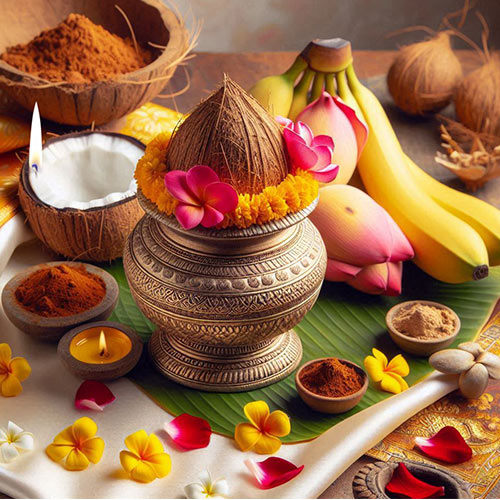
Milk Abhishek: Pouring milk over Shesha idols or symbolic snake stones is considered deeply purifying.
Offerings: White lotus, sandalwood paste, bilva leaves, rice, turmeric, and flowers.
Mantra Japa: Recite Shesha Gayatri or Ananta mantra 108 times daily or during special observances like Nag Panchami.
Meditation: Meditate on a coiled serpent with raised hood resting under Lord Vishnu, visualizing peace and balance in your life.
Serpent Murti Puja: Place symbolic serpent idols near a Tulsi plant or beneath a peepal tree and perform puja respectfully.
Dos and Don’ts
Do’s
- Worship barefoot and in clean attire.
- Perform puja in the early morning or during twilight.
- Maintain inner calm and avoid anger or ego during rituals.
- Use a silver or copper vessel for offerings.
Don’ts
- Never insult or harm real serpents.
- Avoid worship during eclipses unless guided by a knowledgeable priest.
- Refrain from casual or insincere chanting.
Best Days/Times for Prayer
- Nag Panchami (fifth day of Shravan month) – most auspicious.
- Sundays and Tuesdays – beneficial for planetary affliction remedies.
- Early Morning Brahma Muhurta – ideal for mantra chanting and meditation.
True worship of Shesha Naga is not about fear of serpents, but reverence for the cosmic intelligence they symbolize, guardians of wisdom, balance, and transformation.
Puja Vidhi at Home
Worshiping Shesha Naga at home can be a powerful spiritual practice, especially for those seeking relief from Kaal Sarp Dosha, health disturbances, or instability in life. This simple step-by-step puja procedure aligns you with divine balance and inner calm.
Materials Required
- Shesha Naga idol or symbolic serpent image
- Milk, water, sandalwood paste
- Turmeric and kumkum
- Flowers (preferably white or yellow)
- Incense sticks and ghee lamp
- Rice grains
- Fruits and sweets for naivedya
- A clean copper or silver plate
Step-by-Step Puja Procedure
- Purify the space with Ganga water or sprinkle clean water while chanting purification mantras.
- Install the idol or image of Shesha Naga on a clean cloth or metal plate facing east.
- Light the diya and incense , and sit peacefully with focused intention.
- Perform Abhishek with milk and water while chanting “Om Anantaya Namah.”
- Apply sandalwood paste , turmeric, and kumkum to the idol.
- Offer flowers , fruits, and sweets.
- Chant the Shesha Naga mantra (given in the previous section) 108 times.
- Perform a simple aarti , rotating the lamp in a clockwise direction while chanting.
- Pray silently , asking for stability, healing, and divine protection.
- Conclude with gratitude and distribute prasad.
This home puja brings emotional balance, removes obstacles, and invokes the stabilizing power of the infinite Shesha Naga in your life.
Benefits of Worshiping Shesha Naga
Worshiping Shesha Naga is not just an act of reverence toward a cosmic serpent. It is a deep invocation of primordial stability, inner stillness, and multidimensional awareness. He is not only the bearer of the Earth but also the bearer of consciousness.
- Access to Cosmic Stillness and Equanimity: Shesha Naga represents the absolute stillness that sustains creation. Meditating on or worshipping him invokes inner silence, grounding the restless mind and creating a space of mental clarity and balance in the midst of chaos.
- Awakening Higher Consciousness: As the spiritual counterpart of Sahasrara Chakra (the 1000-petaled lotus), Shesha symbolizes the unfolding of full spiritual realization. Regular prayer or mantra chanting in his honour can align one's consciousness with the higher planes of awareness and open the doorway to divine intuition.
- Stabilizing Energies and Life Paths: Just as Shesha holds the Earth in balance, his blessings help stabilize one’s life path. He grants steadiness in decision-making, patience in adversity, and strength in spiritual discipline, qualities essential for long-term success and growth.
- Protection from Energetic Disturbances: Shesha is associated with the energy that absorbs and neutralizes excess tamas (inertia) and rajas (agitation). Those plagued by nightmares, astral interference, or recurring misfortunes often find solace in his worship.
- Support in Ancestral and Karmic Healing: As the upholder of cosmic memory, Shesha helps in healing ancestral karma and unresolved patterns. His worship can assist in resolving lineage-based emotional or spiritual blockages.
- Enhancement of Yogic and Tantric Practices: In yoga and tantra, the serpent energy is symbolic of Kundalini. Devotees who engage in advanced spiritual practices seek Shesha’s grace to awaken, direct, and protect the upward journey of Kundalini through the chakras.
Shesha Naga worship thus goes beyond remedy, it is a spiritual alignment with the very substratum of existence, ensuring that one’s material life is steady and the soul’s journey continues unhindered.
Temples Dedicated to Shesha Naga
Shesha Naga, though not worshipped as widely as other deities, holds a significant spiritual presence through temples associated with serpent worship. These temples are revered for their mystical energy and are often visited by devotees seeking protection, removal of doshas, and blessings for health and wealth.
1. Kukke Subramanya Temple, Karnataka
Nestled along the Kumaradhara River, this temple is one of the most prominent centers of serpent worship. Lord Subramanya is worshipped here as the protector of snakes, along with Vasuki and Shesha Naga. Devotees afflicted by Kaal Sarp Dosh visit this shrine to perform pujas and seek relief.
2. Naganathaswamy Temple, Thirunageswaram, Tamil Nadu
Dedicated to Lord Shiva, this temple is also a key shrine for those suffering from Ketu-related doshas in their horoscopes. Shesha Naga, along with other mystical Nagas like Kaarkotaka and Daksha, is said to have worshipped here. The energy here is deeply transformative and ideal for those seeking spiritual elevation.
3. Sheshampadi Temple, Kumbakonam, Tamil Nadu
A rare temple solely devoted to Shesha Naga, this sacred space belongs to the Vaishnava (Iyengar) tradition. It is believed to carry intense spiritual vibrations associated with Vishnu consciousness and the balancing of cosmic energies through the blessings of Adishesha.
Festival: Nag Panchami
Celebrated annually during the monsoon, Nag Panchami is the most significant festival honouring serpents. On this day, devotees worship various Naga deities, including Ananta (Shesha Naga), Vasuki, and Kaliya. The rituals include offering milk, turmeric, and flowers near snake burrows or images, and it is believed that doing so pleases the serpentine energies that govern both the spiritual and material planes.
These temples and traditions not only honour Shesha Naga’s eternal presence but also allow seekers to connect with the deeper symbolic wisdom of the kundalini and cosmic balance that he represents.
Presence in Other Traditions
Shesha Naga’s symbolism extends far beyond Hinduism, resonating with cultures and spiritual traditions across the Indian subcontinent and Southeast Asia. The cosmic serpent archetype finds parallels in many belief systems, reflecting shared ancient understandings of creation, time, and spiritual awakening.
1. In Buddhism
In Buddhist iconography, the serpent king Mucalinda, closely associated with Shesha Naga is said to have protected Lord Buddha from a storm by coiling around him and shielding him with his multi-headed hood during deep meditation.
This imagery is deeply symbolic of inner awakening and protection during spiritual trials.
2. In Jainism
The concept of cosmic serpents appears subtly in Jain cosmology as part of their depiction of the universe's layers and beings.
Some Jain Tirthankaras are shown with serpent hoods, representing the dormant yet awakened spiritual energy (akin to Kundalini).
3. In Southeast Asian Traditions
In Cambodia, Thailand, and Laos, the Naga is revered as a guardian of water bodies and treasures. Temples like Angkor Wat feature elaborate carvings of multi-headed serpents that bear strong resemblance to Shesha Naga.
The Naga balustrades in these temples often symbolize the bridge between the earthly realm and divine consciousness.
4. In Comparative Mythology
The motif of a cosmic serpent is found in Mesopotamian, Egyptian, and Mesoamerican cultures. Though not directly linked to Shesha Naga, these serpents also embody ideas of eternity, renewal, and the cyclical nature of time, mirroring the essence of Ananta Shesha.
Shesha Naga, thus, transcends religious boundaries and stands as a profound symbol of cosmic continuity, divine guardianship, and the latent power of the universe.
Spiritual Products and Services from Rudra Centre
For those seeking relief from serpent-related doshas or aiming to connect deeply with the energy of Shesha Naga, Rudra Centre offers the following pujas, yantras, and spiritual tools:
1. Kaal Sarp Dosha Nivaran Puja
A powerful Vedic ritual to neutralize the ill effects of Kaal Sarp Dosha in one’s horoscope. This puja invokes the grace of Shesha Naga and brings harmony, protection, and relief from repeated struggles.
Click on the link to book Kaal Sarp Dosha Nivaran Puja
https://www.rudraksha-ratna.com/buy/kaal-sarp-dosha-nivaran-puja
2. Shani Ketu Yoga Sarp Dosha Puja
Ideal for those facing complex combinations of Shani and Ketu leading to Sarp Dosha. This puja is known to dissolve karmic burdens and alleviate emotional and financial turmoil.
Click on the link to book Shani Ketu Yoga Sarp Dosha Puja
https://www.rudraksha-ratna.com/buy/shani-ketu-yoga-sarp-dosha
3. Kalsarpa Dosh Nashak Yantra
This energized yantra helps in protecting the individual from the obstacles caused by Kaal Sarp Yoga. It can be kept in the home or worn for ongoing protection and balance.
Click on the link to buy Kalsarpa Dosh Nashak Yantra
https://www.rudraksha-ratna.com/buy/kalsarpa-dosh-nashak-yantra
4. Narayan Nagbali Puja at Trimbakeshwar
A highly recommended Trimbakeshwar ritual for removing ancestral curses (Pitru Dosh), ghostly afflictions, and Kaal Sarp Dosha. This puja brings liberation to the soul and peace to the family lineage.
Click on the link to book Narayan Nagbali Puja
https://www.rudraksha-ratna.com/buy/narayan-nagbali-puja-at-trimbakeshwar
5. Naag Yantra
This sacred yantra, dedicated to Naga Devtas, protects from hidden enemies, accidents, and karmic blockages. It is beneficial for those suffering from Kaal Sarp or fear of snakes.
Click on the link to buy Naag Yantra
https://www.rudraksha-ratna.com/buy/naag-yantra
6. Nag Panchami Puja
A special puja offered on the auspicious occasion of Nag Panchami to honor Shesha Naga, Vasuki, and other serpent deities. Brings protection, good health, and spiritual upliftment.
Click on the link to book Nag Panchami Puja
https://www.rudraksha-ratna.com/buy/nag-panchami-puja
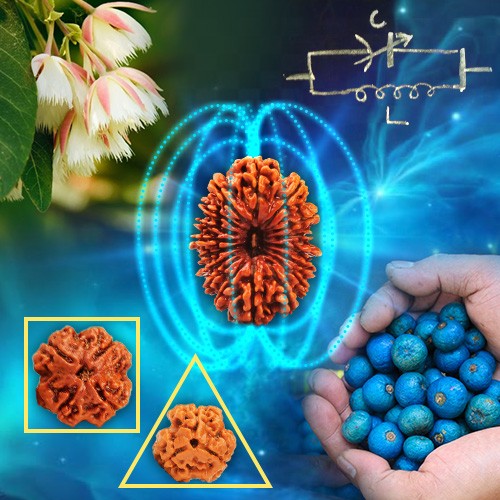
7. Savar Naag Rudraksha from Nepal
This rare bead is believed to embody the divine serpent energy. It offers deep healing from subconscious fears, helps in kundalini awakening, and nullifies the effects of Kaal Sarp and Rahu-Ketu afflictions.
Click on the link to buy Savar Naag Rudraksha from Nepal
https://www.rudraksha-ratna.com/buy/savar-naag-rudraksha-from-nepal-lv
-in-Astrology.jpg)
.jpg)


Dhyey Shah
|August 2, 2025
Superb, absolutely superb. I now understand why Shesha Bhagwan is the avatar of vishnu. This came in very handy as i was using this source majorly for my report on the Naga king.
Venkatesh
|June 25, 2024
Excellent