

-2026---main-image_211103.jpg)
Gudi Padwa, a sacred day of immense spiritual and cultural significance, marks the beginning of the Hindu New Year and celebrates the victory of righteousness and the divine blessings of Bhagwan Vishnu and Bhagwan Brahma. This auspicious festival is believed to usher in prosperity, good fortune, and spiritual renewal for those who observe it with sincerity and devotion. Known as the day of new beginnings, Gudi Padwa also known as Guri Parwa, symbolizes the triumph of positivity over negativity and inspires devotees to embrace wisdom, gratitude, and success in their journey ahead.
In 2026, Gudi Padwa will be celebrated on Thursday, March 19. This sacred day is a time for prayers, fasting, and traditional rituals, where devotees raise the Gudi (auspicious flag) as a symbol of victory and divine grace. Homes are decorated with rangoli, mango leaves, and torans, and special offerings are made to Bhagwan Vishnu and Goddess Lakshmi for blessings of abundance and happiness. It is believed that observing Gudi Padwa with reverence brings success, harmony, and divine protection while setting the foundation for a prosperous and fulfilling year ahead. The day serves as a powerful reminder of renewal, faith, and the guiding presence of the Divine in life’s journey.
Festival Date, Time, Muhurat & Tithi
Gudi Padwa will be observed on Thursday, March 19, 2026.
Pratipada Tithi (1st lunar day) of the Shukla Paksha in the Chaitra month as per the lunar calendar.
Key Timings for Gudi Padwa 2025:
- Pratipada Tithi 06:52 AM on Mar 19, 2026 (IST)
- Pratipada Tithi 04:52 AM on Mar 20, 2026 (IST)
Note: Sunrise and sunset vary by region and date due to India's geographical diversity. For exact timings, refer to local astronomical data.
Significance & Importance of Gudi Padwa
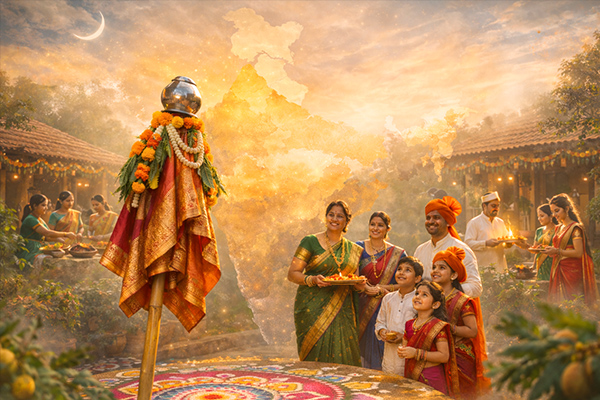
Gudi Padwa is one of the most significant and widely celebrated festivals in the state of Maharashtra and the Konkan region, including Goa, where it is traditionally known as Saṁsāra Pāḍavo. This festival holds immense cultural and religious importance as it marks the beginning of the Hindu New Year for Maharashtrian Hindus, signifying renewal, prosperity, and the triumph of good over evil. The name Gudi Padwa is derived from two words: ‘Gudi,’ referring to the auspicious flag that is raised outside homes, symbolizing victory and divine protection, and ‘Padwa,’ originating from the Sanskrit term ‘Paddava,’ meaning the foremost day, referring to the first day of the waxing moon phase (Shukla Paksha).
This festival is observed not just in Maharashtra but across India under different names and traditions. In the southern states of Telangana, Andhra Pradesh, and Karnataka, it is celebrated as Ugadi—a festival of new beginnings, joy, and prosperity. In Telugu, it is called Ugadi, while in Kannada, it is known as Yugadi. The spiritual and astrological significance of Gudi Padwa lies in the fact that it is observed on the first day of the Chaitra month as per the Hindu lunisolar calendar, which usually falls between March and April. This day marks the New Moon’s transition into the waxing phase, symbolizing growth, positivity, and the start of an auspicious cycle.
The festival transforms the entire state of Maharashtra into a vibrant, festive atmosphere filled with happiness, enthusiasm, and devotion. Families come together to decorate their homes with beautiful rangoli designs, mango leaves, and torans, preparing for a joyous and prosperous year ahead. The raising of the Gudi outside homes is a crucial part of the celebration, signifying victory, good fortune, and divine blessings. People dress in traditional attire, with women wearing elegant nauvari sarees and men donning kurta-pajamas with saffron turbans, further adding to the celebratory mood. Special delicacies such as Puran Poli, Shrikhand, and festive sweets are prepared and shared with family and friends. The air is filled with excitement, devotion, and an infectious festive spirit, as Maharashtrians embrace the new year with hope, gratitude, and the determination to welcome success and prosperity into their lives.
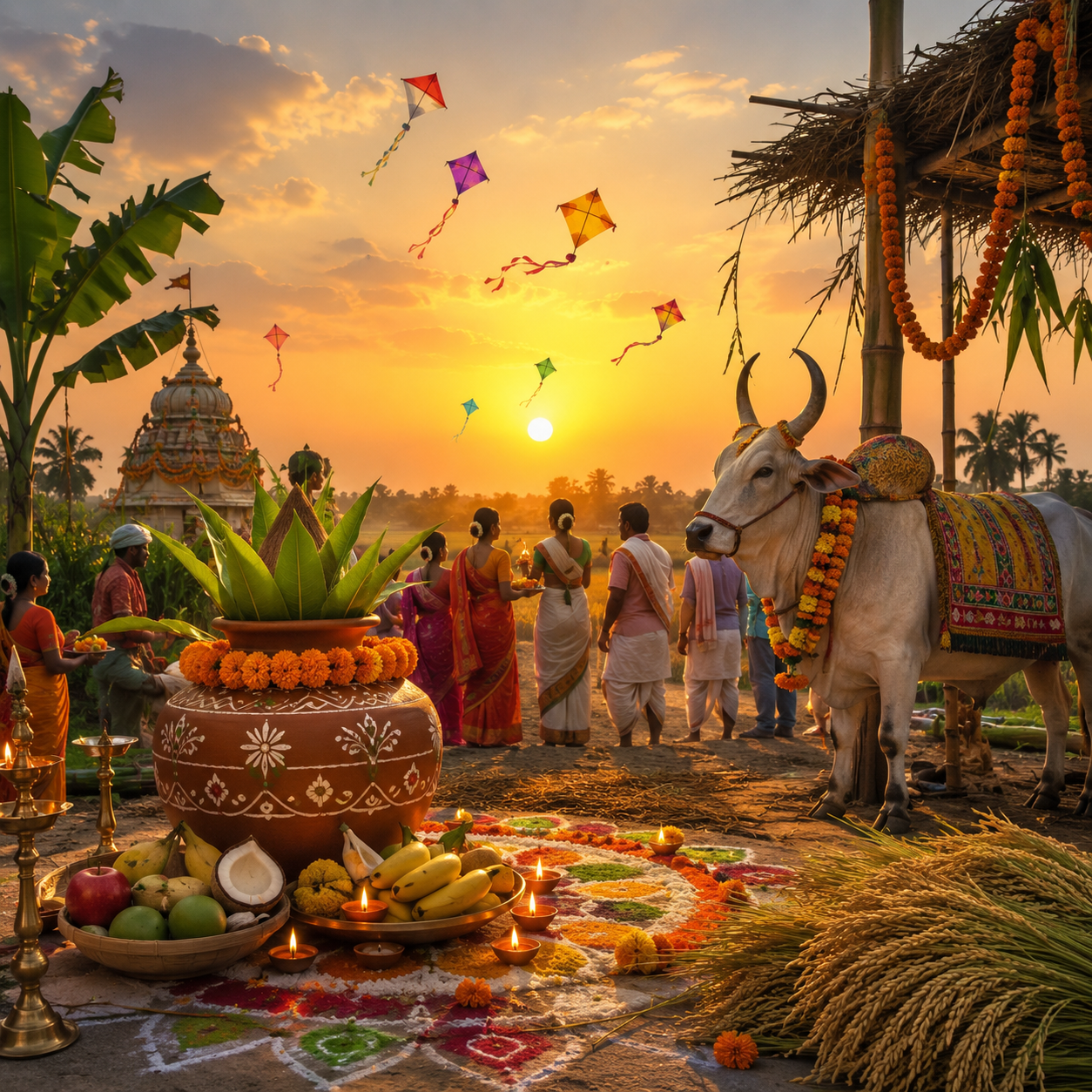
Every cultural festival in India has a profound significance, and Gudi Padwa is no exception. The celebration of this auspicious day is rooted in three major beliefs. First, it is said that Bhagwan Brahma created the cosmic universe on this day, marking the beginning of time. Second, it commemorates Bhagwan Rama’s victorious return to Ayodhya after his epic battle with Ravana, symbolizing the triumph of good over evil. Third, it signifies the arrival of Spring (Vasant Ritu), as the Sun transitions above the equatorial intersection, bringing new energy and renewal. Additionally, Gudi Padwa also marks the harvest season of Rabi crops, making it an important festival for India’s agricultural communities, as it signifies prosperity and abundance.
Story of Gudi Padwa Festival
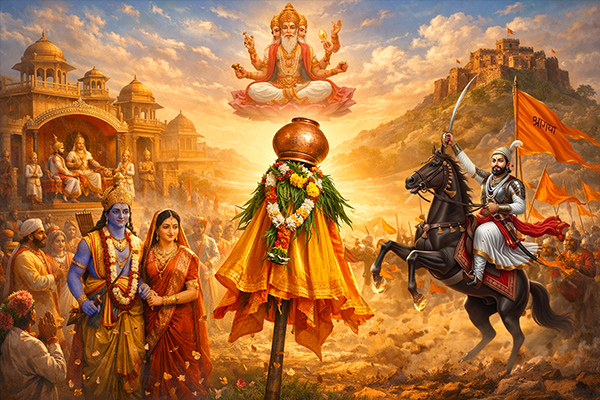
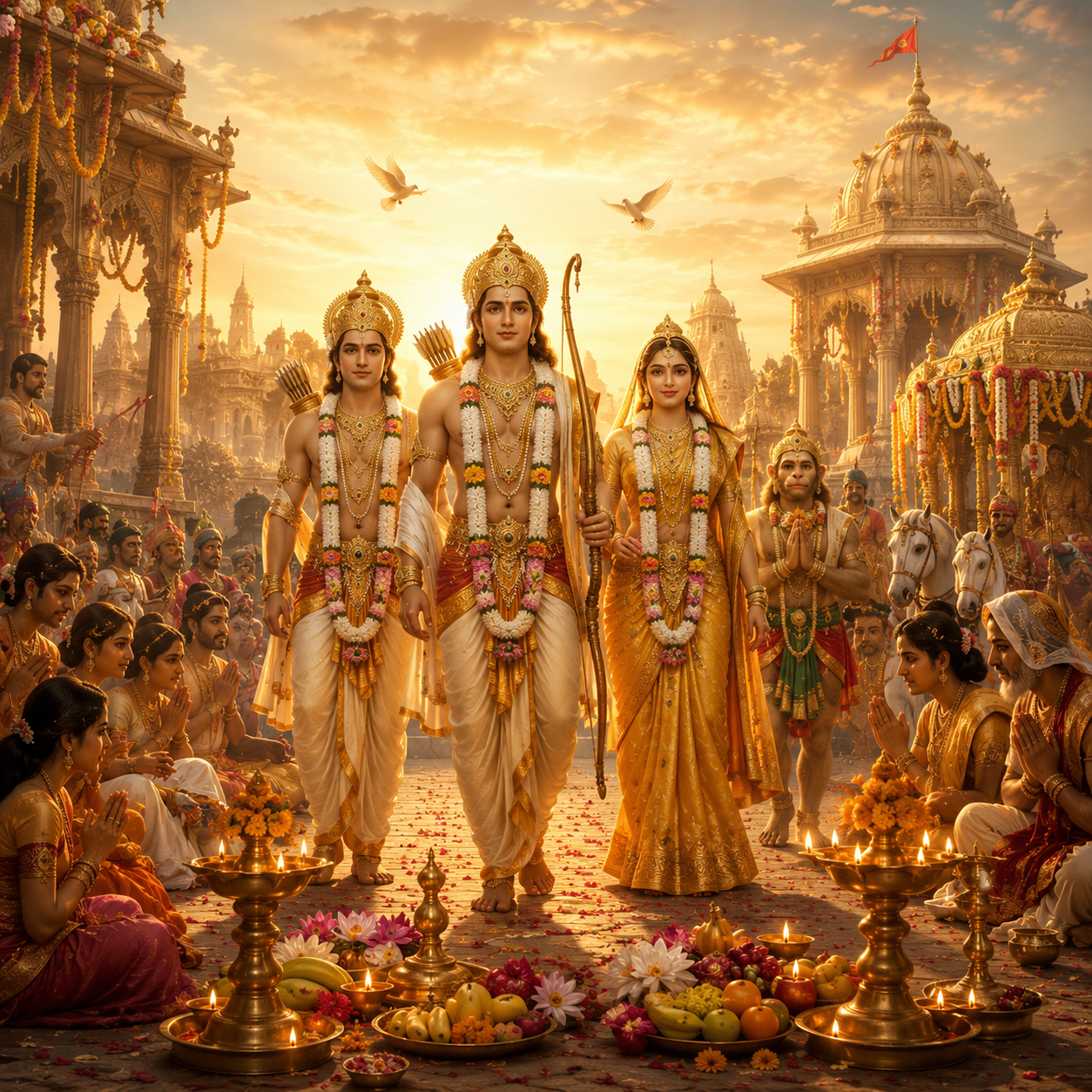
Gudi Padwa is a festival deeply rooted in Hindu mythology and history, signifying the triumph of good over evil, prosperity, and new beginnings. One of the most significant historical references associated with Gudi Padwa is the victorious return of Bhagwan Rama to Ayodhya after successfully defeating the demon king Ravana and completing 14 years of exile in the forest. This sacred occasion, marked by Bhagwan Rama’s coronation as the rightful king of Ayodhya, symbolizes the restoration of dharma (righteousness) and justice, making Gudi Padwa a celebration of divine victory and renewal. The raising of the Gudi, a flag-like structure hoisted outside homes, represents the victory banner of Bhagwan Rama, fluttering high in the sky as a reminder of his great conquest and the establishment of peace and order.
Beyond its connection to Bhagwan Rama, Gudi Padwa is also associated with several historical and mythological events. In Maharashtrian tradition, it is believed that on this day, Chhatrapati Shivaji Maharaj, the great Maratha warrior, led his forces to numerous victories, expanding the Maratha Empire and upholding the spirit of Swarajya (self-rule). The Gudi, raised high above homes, is said to represent the victory standards of the Marathas, instilling a sense of pride, heritage, and resilience in the people of Maharashtra. Additionally, some legends state that Bhagwan Brahma, the creator of the universe, initiated the process of creation on this very day, making Gudi Padwa not just a historical festival but also a cosmic celebration of life, renewal, and divine blessings.
The ritual of raising the Gudi is highly symbolic, representing success, prosperity, and the triumph of light over darkness. The decorated staff (Gudi), adorned with a bright silk cloth, neem leaves, mango leaves, and a garland of flowers, is topped with an inverted silver or copper pot, signifying victory, good fortune, and divine protection. In essence, Gudi Padwa is a festival that commemorates legendary victories, historical milestones, and cosmic beginnings, reminding devotees of the eternal power of righteousness, courage, and renewal.
How to celebrate Gudi Padwa Festival
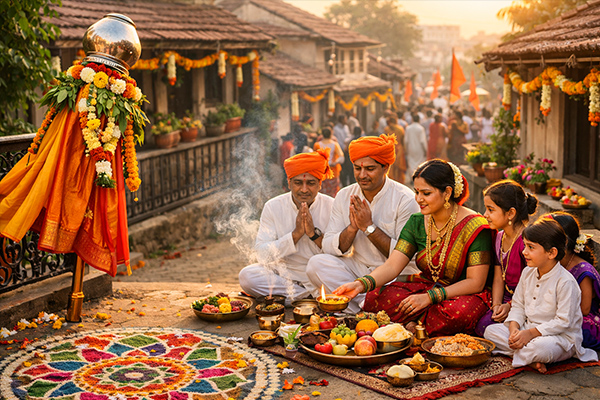
Gudi Padwa is celebrated with great enthusiasm and devotion, marking the beginning of the Hindu New Year and symbolizing prosperity, victory, and renewal. The day starts with an early morning bath, followed by the ritualistic raising of the Gudi, which is the most important part of the celebration. The Gudi, a decorated flag-like structure, is made using a bright silk cloth, neem leaves, mango leaves, and a garland of flowers, topped with an upturned silver or copper pot. This sacred flag is hoisted outside homes, on windows, or balconies, symbolizing victory, good fortune, and divine blessings.
People wear traditional attire, with men donning kurta-pajamas and saffron turbans, while women adorn themselves in vibrant nauvari sarees and jewelry. Homes are beautifully decorated with rangoli designs, torans, and fresh flowers, creating an atmosphere of joy and celebration. Devotees perform puja to Bhagwan Vishnu, Bhagwan Brahma, and Goddess Lakshmi, offering fruits, neem leaves, jaggery, and sweets like Puran Poli and Shrikhand. It is also a time for feasting with family, sharing festive meals, and beginning new ventures. Many people also take part in cultural processions and community gatherings, reflecting the spirit of unity and festivity.
Apart from rituals, Gudi Padwa is also a day for reflection and setting new intentions for the year ahead. Many people read the Panchang (Hindu almanac) to seek astrological guidance for the year. Acts of charity and helping the needy are encouraged, as they are believed to bring divine blessings. The festival is a perfect blend of spiritual devotion, cultural traditions, and social harmony, making it an occasion of happiness, renewal, and prosperity for all.
Gudi: Central Figure of the Festival
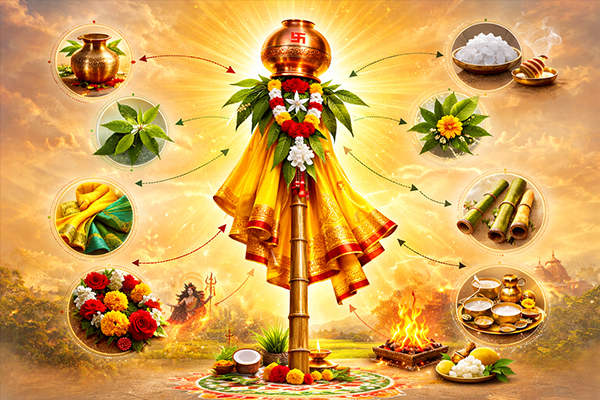
People raise Gudhi (Gudi) on the right side of their houses on the outside. It is made of a long wooden bamboo covered with an overturned copper pot called Kalasha and a brocade-filled yellow piece of cloth (green or saffron at times). Atop are the sugar crystals, neem leaves, and a twig of mango leaves with a garland of flowers is kept.
Kalash means pot. In the revealed scriptures Kalash is called purnakalash. Purna means complete. So it is a complete pot with purity used for keeping holy waters or other ceremonial liquids.
Colors of the cloth used are generally yellow, green, or saffron. The yellow color represents sato guna. It symbolizes Agni the Fire God and Surya elements and kills tamasic energies or the darkness (ignorance). Green and saffron represent life, beginning as Bhagwan Brahma had created the cosmos on this day and the fire element (divine) that leads the intense yellow (pure fire), respectively. A twig of Mango leaves represents immortality.
Red flowers used in the Gudi epitomize the qualities of passion against the negative elements. In the Vedas, all the aggressive deities such Goddess Kali signify red color that intimidates the survival of the evil spirits.
Sugar crystals: Panchamrit has Sugar as one of the ingredients. It represents sweetness. Being sweet, humble , and respectful is the first quality of people in the mode of goodness (Sato guna). In the entire Ramayana, Bhagwan Rama never used harsh languages against any of His subjects including His enemies.
How to make Gudi?
In its entirety, The Gudhi (gudi) symbolizes a celestial tool against all negative vibes and to usher prosperity, good fortune, good health, and energies of abundance.
- Keep a bamboo stick of medium length ready
- Tie a bright At the end of this stick, there is green or yellow cloth with a golden border.
- Tie some mango. and neem leaves around this cloth
- Add a flower. Typically, people use yellow or orange marigold flower garlands and surround this cloth with mishri (sugar crystals), also known as 'Sakar Gathi.''.
- Place an inverted silver or copper Kalash (pot) at the top of the stick. Draw the sacred swastika. symbol with Kumkum on it
- Place this Gudi, slightly tilted, on the right side of the house's main entrance.
- Hoist this Gudi; we regard it as the flag of Bramha. We raise the Gudi to a height where everyone, both near and far, can see it.
Traditional Folklore in Gudi Padwa Festival
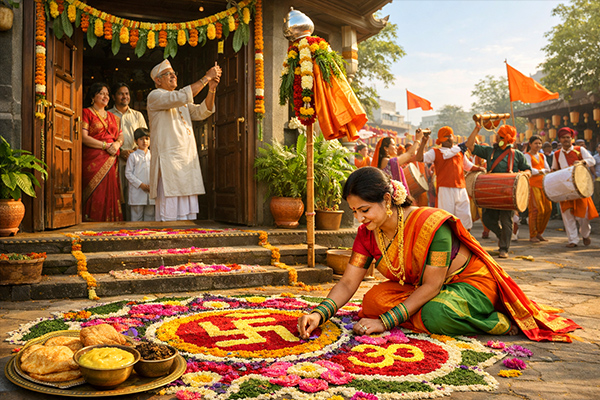
Gudi Padwa is about new beginnings. The preparation for Gudi Padwa celebrations starts days ahead when houses are thoroughly cleaned like it is done before the festival of Diwali. Like every year, Gudi Padwa 2025 will be a public holiday in Maharashtra.
On the day of Gudi Padwa after having the traditional bath, the day starts with the ritual of having a paste of Neem leaves, Jaggery, and Tamarind as it purifies the blood and regulates its circulation. Another version of this paste also has Corriander seeds. Unlike other Indian festivals where having sweets is prevalent, Gudi Padwa festival celebrations include this unique ritual of having this bitter-sweet-sour mixture which in one way represents the way life tastes.
The women of the house create beautiful multi-hued Rangolis outside the house and on the staircase leading to the house. This tradition holds huge significance and is an integral part of the celebrations. The Rangoli designs include the symbols of Swastik, Om, and other auspicious symbols. Coloured powder and sometimes flower petals are used for the Rangoli displays. Rangoli is said to invite prosperity and abundance into the house.
Torans with a combination of Mango leaves and flowers are hung above the main entrance door. All family members wear new clothes. Women wear Gold jewellery as Gold is a symbol of prosperity and also prefers wearing the traditional Maharashtrian Nauvari saree on Gudi Padwa.
Special dishes like Shrikhand-Poori, Puran Poli are made fresh for Gudi Padwa and are offered to God and the Gudi as well. The most important ritual of hoisting the Gudi is done by the family members with fervor. Traditionally the Gudi is raised by a senior member of the family. It is a day of bonding and togetherness with friends and relatives. Meeting friends, exchanging gifts with each other, and having meals/sweets together is the order of the day. The doors of the house are kept wide open to welcome all guests.
In cities and towns of Maharashtra, processions of men and women with flags in their hand, dressed in colourful traditional attire dancing and singing about the valour of Chattrapati Shivaji Maharaj is a common sight. The traditional Maharashtrian dance Lezim is often seen being performed in these processions with the accompaniments of traditional drums and Bugal of Maharashtra.
As Rangoli is an important part of Gudi Padwa, Rangoli displays are seen on the streets too. Rangoli competitions are organised in many areas of cities that have enthusiastic participation. The tradition of buying Gold, new houses, vehicles, the inauguration of new businesses/shops is prevalent. Because the day is highly auspicious so it is considered anything new started on this day will be blessed to reap abundance.
The auspicious occasion of Gudi Padwa 2025 is eagerly awaited by everyone who celebrates it. It is a day when deities are invoked for blessings, the Gudi is raised to ward off evil, and everyone is prepared to relax, indulge, and enjoy this day. These are some of the widely followed Gudi Padwa rituals.
Gudi Padwa Festival Puja Vidhi (Puja Procedure)
_211102.jpg)
Gudi Padwa, marking the Hindu New Year, is a festival of prosperity, renewal, and victory. The puja performed on this day is dedicated to Bhagwan Brahma, Bhagwan Vishnu, and Goddess Lakshmi, symbolizing new beginnings, divine grace, and abundance. By following the traditional puja vidhi (rituals) with devotion, devotees seek blessings for success, happiness, and good fortune.
- Early Morning Bath and Purification: Start the day with a holy bath, wearing fresh traditional clothes, preferably in bright colors. It is considered auspicious to apply tilak (kumkum and turmeric) on the forehead as a mark of spiritual purity and devotion.
- Cleaning and Decorating the House: Thoroughly clean the house and decorate the entrance with torans (mango leaves and flowers) and beautiful rangoli designs using vibrant colors, rice flour, and flower petals.
-
Setting Up the Gudi (Victory Flag): The Gudi, symbolizing victory and prosperity, is the most important part of the ritual. It is prepared using:
- A bamboo stick
- A bright silk cloth (preferably yellow, red, or green)
- Neem leaves, mango leaves, and garlands of flowers
- A silver or copper kalash (pot) placed upside down at the top.
This Gudi is hoisted outside homes, on balconies or at the main entrance, to invite divine blessings. - Placing the Gudi and Worship Setup: Place the Gudi near the puja area along with idols or images of Bhagwan Brahma, Bhagwan Vishnu, and Goddess Lakshmi. Arrange offerings such as fresh fruits, neem leaves, jaggery, and flowers in front of the deities.
- Lighting the Diya (Sacred Lamp): Light an oil lamp (diya) using ghee or sesame oil, symbolizing the dispelling of darkness and the welcoming of divine light into the home.
- Offering Panchamrit and Abhishek: Prepare Panchamrit by mixing milk, curd, honey, sugar, and ghee. Perform Abhishek (ritual bathing) of the deities with Panchamrit, followed by clean water, as a mark of purification and devotion.
-
Reciting Mantras and Shlokas: Chant Gudi Padwa Puja Mantras, including:
'Om Namo Bhagavate Vasudevaya' (for Bhagwan Vishnu)
'Om Brahmane Namah' (for Bhagwan Brahma)
“Om Shreem Mahalakshmyai Namah' (for Lakshmi Devi)
Reciting the Vishnu Sahasranama and reading the Gudi Padwa Vrat Katha is considered highly auspicious. - Offering Prasad and Naivedya: Prepare and offer traditional prasad such as Puran Poli, Shrikhand, neem-jaggery mixture, and fruits, symbolizing bitterness and sweetness of life.
- Performing Aarti: Using a ghee lamp, incense sticks, and camphor, waving them in circular motions in front of the deities while singing bhajans and prayers dedicated to Bhagwan Vishnu and Goddess Lakshmi.
- Prayers for Blessings and Prosperity: Seek blessings from elders and deities for a prosperous and fulfilling year ahead. Offer gratitude and pray for happiness, health, and success in all aspects of life.
- Charity and Helping the Needy: Acts of charity (daan) are considered highly auspicious. Donate food, clothes, or money to the less fortunate, as this is believed to attract divine grace and good karma.
- Breaking the Fast and Family Feast: The puja is followed by a festive meal with family, enjoying traditional delicacies and celebrating the joy of new beginnings together.
Gudi Padwa Puja is not just a religious ritual but a celebration of victory, prosperity, and spiritual awakening. By raising the Gudi, performing puja, and seeking divine blessings, devotees welcome a new year filled with success, harmony, and positive energy. This festival serves as a reminder of renewal, gratitude, and the boundless grace of the Divine.
Gudi Padwa Puja Mantras
Mantra for Bhagwan Brahma (The Creator of the Universe)
Recite this mantra to seek wisdom, creativity, and divine blessings from Bhagwan Brahma, who is believed to have initiated creation on this day.
'Om Namo Brahmane Namah'
Meaning: Salutations to Bhagwan Brahma, the divine creator of the universe.
Mantra for Bhagwan Vishnu (Preserver of the Universe)
Chanting this mantra invokes protection, prosperity, and success from Bhagwan Vishnu, ensuring a harmonious and auspicious new beginning.
'Om Namo Bhagavate Vasudevaya'
Meaning: I bow to Bhagwan Vasudeva (Vishnu), the Supreme Protector and Preserver of the Universe.
Mantra for Lakshmi Devi (Bestower of Wealth and Prosperity)
This mantra is recited to attract prosperity, good fortune, and abundance in the coming year.
'Om Shreem Mahalakshmyai Namah'
Meaning: Salutations to Goddess Lakshmi, the divine source of wealth and prosperity.
Gudi Padwa Sankalp Mantra (For New Beginnings and Success)
Before starting the puja, devotees recite this mantra to take a sacred vow (sankalp) for a prosperous and blessed year ahead.
'Om Shubham Karoti Kalyanam, Aarogyam Dhana Sampadam।
Shatru Buddhi Vinashaya, Deepa Jyotir Namostute'
Meaning: I bow to the divine light that brings auspiciousness, health, wealth, and the destruction of negative forces.
Vishnu Sahasranama (Highly Auspicious for Gudi Padwa)
Reciting the Vishnu Sahasranama (1000 names of Bhagwan Vishnu) on Gudi Padwa is believed to remove obstacles, bring happiness, and ensure divine blessings throughout the year.
By chanting these powerful mantras with faith and devotion, devotees invite prosperity, harmony, and spiritual growth into their lives, ensuring an auspicious and fulfilling new year.
Gudi Padwa Festival Vrat Vidhi (Fasting Procedure)
_211101.jpg)
Observing a fast on Gudi Padwa is considered highly auspicious as it signifies purity, renewal, and devotion at the start of the Hindu New Year. Devotees begin the day with an early morning bath, wear clean, traditional attire, and perform Achaman (sipping holy water) to purify the body and mind. They then take a Sankalp (vow) to observe the fast with sincerity and seek blessings from Bhagwan Brahma, Bhagwan Vishnu, and Goddess Lakshmi for prosperity, happiness, and success in the coming year.
The fasting rules vary based on personal devotion and capacity. Some devotees observe a Nirjala Vrat, meaning they refrain from food and water until the puja is completed or until sunset. Others follow a Phalahar Vrat, where they consume only fruits, milk, and dry fruits, avoiding grains and pulses. A milder form of fasting includes eating a satvik meal, consisting of light vegetarian food without onion, garlic, or tamasic ingredients, while staying focused on prayers and spiritual practices.
Throughout the day, devotees engage in Gudi Padwa Puja, recite mantras, perform aarti, and meditate on Bhagwan Vishnu’s name. Charity is also considered important, and many people donate food, clothes, or money to the needy as an act of goodwill. The fast is typically broken after the puja, with prasad and a satvik meal, ensuring that the day is spent in spiritual reflection, gratitude, and celebration of new beginnings.
Gudi Padwa Vrat Katha (Traditional Fasting Story)
_211098.jpg)
Among the most widely accepted traditional fasting stories (Vrat Katha) associated with this day is the legend of Bhagwan Rama’s victory over the demon king Bali. According to this sacred tale, on this very day, Bhagwan Rama defeated Bali, liberating the people from his oppression. To commemorate this great triumph of dharma (righteousness) over adharma (evil), the residents of the kingdom hoisted a Gudi (victory flag) outside their homes. This ritual has since become an integral part of Gudi Padwa celebrations, symbolizing success, prosperity, and the blessings of the divine. The raising of the Gudi represents victory, divine grace, and the ushering in of new beginnings, making it an essential element of the festival.
Another significant legend associated with Gudi Padwa is the story of King Shalivahana, a revered ruler known for his bravery and wisdom. It is believed that on this auspicious day, King Shalivahana created an army out of clay soldiers and, through his divine powers, infused life into them. With this miraculous army, he led his forces to a grand victory over his enemies, establishing his rule and marking the beginning of the Shalivahana calendar (Shaka Samvat), which is followed in many parts of India today. In honor of this victory, people hoist the Gudi, signifying strength, renewal, and divine protection. This legend reinforces the festival’s core themes of triumph, resilience, and the power of faith in overcoming challenges.
These timeless stories highlight the deep cultural and spiritual essence of Gudi Padwa, particularly in Maharashtra, Andhra Pradesh, and Goa, where it is celebrated with immense enthusiasm. The Gudi, adorned with bright silk cloth, neem leaves, mango leaves, and a garland of flowers, serves as a sacred reminder of victory, renewal, and the beginning of an auspicious new year.
Whether it is the mythological conquest of Bhagwan Rama, the historical valor of King Shalivahana, or the symbolism of prosperity and success, the Gudi Padwa Vrat Katha beautifully conveys the festival’s essence of hope, renewal, and divine blessings for the year ahead.
Gudi Padwa Puja Kit
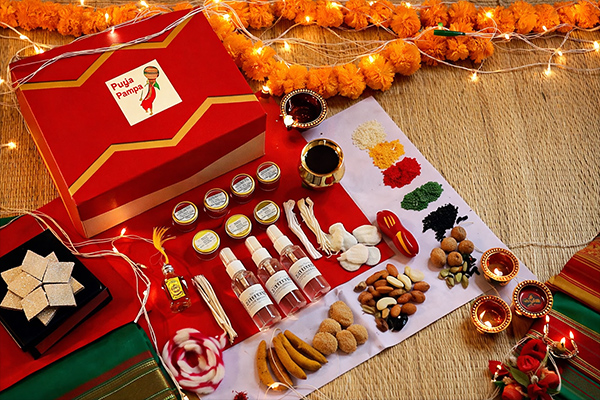
Buy Now
We offer a kit specially prepared for Gudi Padwa festival. It contains all the essential items to prepare Gudi for decorating the entrance of house.
Gudi Padwa Puja Vidhi and Mantra
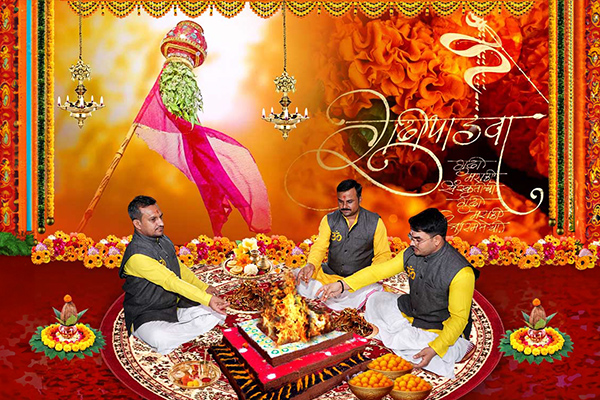
Whether new home, new business or new beginning in life, Gudi Padwa Puja is a great and divine start-off to invite positivity, good health, auspiciousness into your life.
Ramayana Path
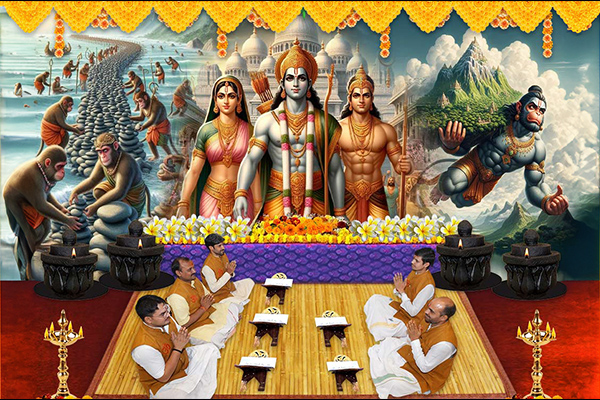
It is best for warding off all the negative energies and for harmony in personal life. Get the blessings of Bhagwan Ram and Hanumaanji with this puja.
Lakshmi Kuber Puja & Yagna
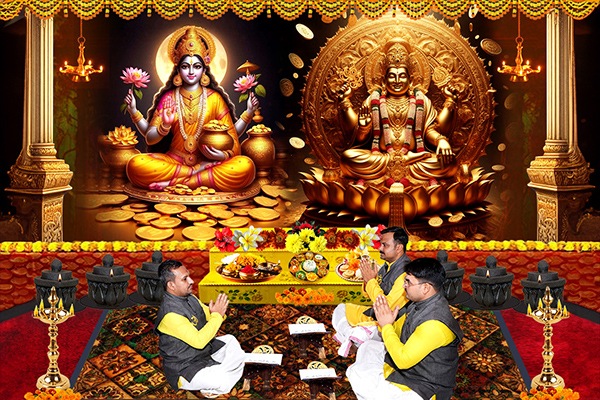
This puja breaks all the barriers that come your way of accumulating wealth and money. Get the blessings of Lakshmi and Kuber with this puja.
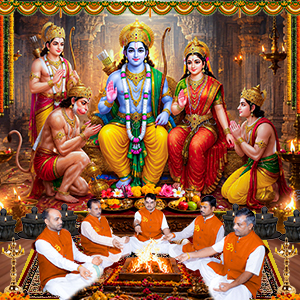
Rama Darbar Puja & Yajna
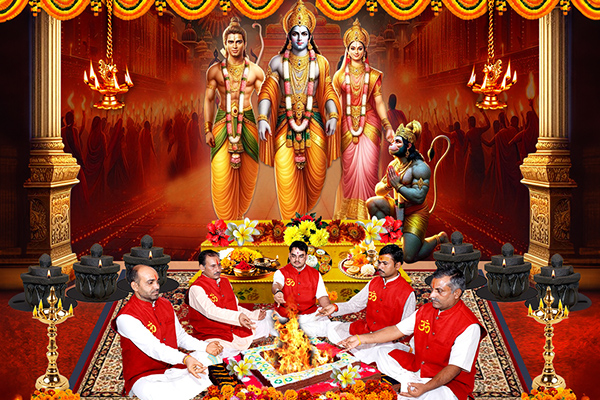
This puja is best for those seeking healthy, prosperity and relief from diseases. Get the blessings of Bhagwan Rama, Goddess Sita, Lakshman ji and Hanuman ji.
Brahma Gayatri Puja & Yajna
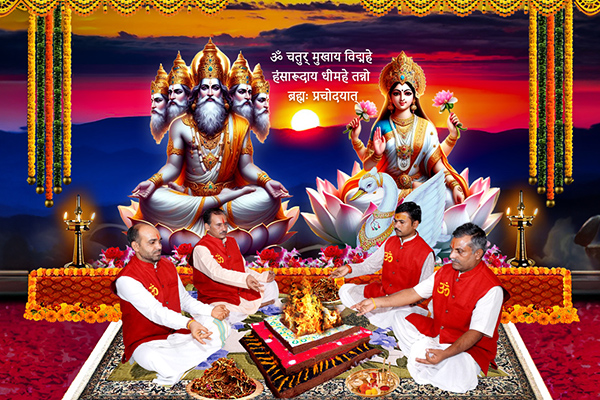
A highly powerful Homa (Havan) for nullifying your bad karmas and gaining wisdom, intellect and material riches in life.
Puja for Starting New Business
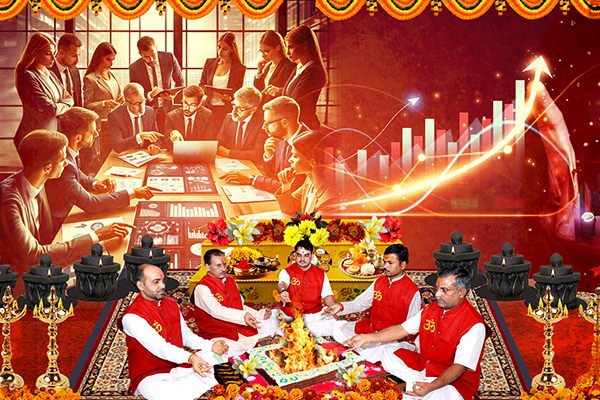
A special Puja for new business ventures or start-ups. Start your venture with all auspiciousness and grace of Lakshmi.
Puja for Purchasing Asset
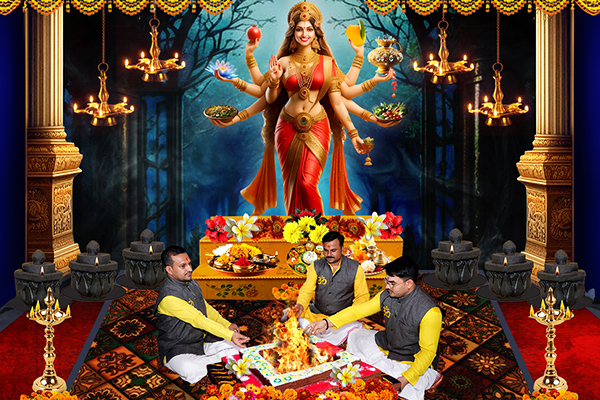
Complement your decision to invest in wealth with this special Puja for purchasing right assets at the right time.
Conclusion
Gudi Padwa is a celebration of renewal, victory, and divine blessings. Rooted in mythological, historical, and cultural significance, this festival symbolizes the triumph of righteousness over evil, the arrival of prosperity, and the beginning of an auspicious new cycle. Whether through the legend of Bhagwan Rama’s victory over Bali, King Shalivahana’s miraculous conquest, or the cosmic creation of Bhagwan Brahma, Gudi Padwa carries deep spiritual meaning, reminding devotees of strength, resilience, and faith in divine grace.
The hoisting of the Gudi stands as a symbol of victory and good fortune, inviting prosperity and protection into one’s home. The festival also highlights the importance of gratitude, devotion, and the spirit of unity, as families come together to offer prayers, perform rituals, and engage in acts of charity. It is a day to reflect on past achievements, embrace new opportunities, and set positive intentions for the year ahead, ensuring that the blessings of Bhagwan Vishnu, Bhagwan Brahma, and Goddess Lakshmi guide every step.
As the festival fills the air with happiness, devotion, and celebration, Gudi Padwa serves as a powerful reminder that new beginnings are filled with infinite possibilities. By observing fasting, performing puja, and engaging in traditional customs with sincerity, devotees invite divine abundance, success, and happiness into their lives. The festival’s essence lies in honoring heritage, embracing positivity, and stepping into the future with faith and confidence, making Gudi Padwa not just an occasion, but a profound spiritual journey into a year filled with hope, joy, and prosperity.
-in-Astrology.jpg)
.jpg)


Eddy Torremans
|January 26, 2024
Hi, I'm a Belgian national with great interest in cultural and religious festivals. As such I'm looking to find guidance who could assist and give me an insight into Gudi Padwa habits and activities. Specially for this occasion, I will arrive in Mumbai on april 8 where I'll be staying at Colaba district. Does the Radra centre offer such service please ? I'm traveling solo. Thank you, Eddy