

Maa Baglamukhi, one of the Dus Mahavidyas, is a powerful and venerated goddess known for her unique ability to neutralize and control negative forces. Her divine powers make her a protector, especially for those who seek to overcome adversaries, both physical and spiritual. Maa Baglamukhi is regarded as the goddess of stambhana (paralyzing), shakti, and wisdom, providing strength to her devotees and helping them emerge victorious in times of challenge. With her deep association with the colour yellow and the divine ability to stop and destroy harmful forces, Maa Baglamukhi is worshipped by millions for her potent protection and blessings.
In this article, we will explore her origin, iconography, powerful mantras, and the many ways in which worshiping Maa Baglamukhi can bring peace, protection, and success to her devotees.
Who is Maa Baglamukhi?
Maa Baglamukhi is a powerful and goddess who stands as the eighth among the Dus Mahavidyas (Ten Great Wisdom Goddesses) in Hinduism. Known for her ability to control and neutralize her enemies, she plays a critical role in protecting her devotees from harm, ensuring victory, and removing obstacles in their lives.
Identity and Role in the Hindu Pantheon
Maa Baglamukhi is regarded as the goddess of wisdom, protection, and paralysis. Her primary role in Hinduism is to halt the negative forces that harm her devotees, providing them with spiritual and material protection. She is called the Goddess of Stambhana due to her ability to freeze or immobilize the energies that pose a threat to her followers. Worshiping her is believed to bring victory over enemies, protection from evil forces, and restoration of peace.
In the vast Hindu pantheon, Maa Baglamukhi’s position as one of the Dus Mahavidyas places her as a symbol of both divine wisdom and power. Her role as a deity who can control the mind and intellect of adversaries is unique, making her a central figure for those seeking protection from external forces as well as inner struggles.
Family Lineage and Connections to Other Gods
Maa Baglamukhi is not typically depicted in connection with any specific family lineage like some other deities, as she is a powerful form of Shakti and an independent divine force. However, she is often associated with Lord Shiva as part of his divine feminine energy (Shakti). Her origin as a manifestation of divine power places her alongside other forms of Shakti like Durga, Kali, and Lakshmi, each embodying different aspects of cosmic energy.
While her connection to Lord Vishnu or Lord Shiva is not as prominent as other goddesses, her power and wisdom are considered part of the broader Shaktism tradition, where she embodies the energies of creation, protection, and destruction.
Associated Elements (Vehicle/Vahana, Weapon, Symbols)
Vahana (Vehicle):
Maa Baglamukhi’s vahana is often depicted as a crane, symbolizing grace, patience, and the divine ability to control the movement of life. The crane, as a vahana, represents her mastery over time and her ability to paralyze her enemies.
Weapon:
Maa Baglamukhi is often shown holding a club (or mace), symbolizing her ability to crush enemies and bring peace and victory. The club is a weapon of justice and power, indicating her role as the divine protector who fights against evil.
Symbols:
Yellow : Maa Baglamukhi is associated with the color yellow, symbolizing prosperity, wisdom, and divine energy. The color is often used in her worship and is thought to bring spiritual and material success.
Bridle : The word Bagala (Baglamukhi) is derived from Vagla, meaning bridle, symbolizing her ability to control and restrain evil and harmful forces.
Tongue : She is often depicted pulling the tongue of a demon or enemy, representing her power to silence and neutralize harmful speech or malicious intent.
These elements and symbols embody Maa Baglamukhi’s role as a goddess who controls, protects, and restores peace by rendering adversaries powerless and guiding her devotees toward a path of victory and success.
Origin of Maa Baglamukhi
The origin of Maa Baglamukhi is steeped in fascinating legends that highlight her power, purpose, and divine intervention in times of crisis. She is believed to have manifested to restore balance and protect the world from overwhelming negative forces. Her appearance in the cosmic order signifies the importance of divine intervention to overcome the challenges that threaten peace, wisdom, and righteousness.
The Storm in Satya Yuga
One of the most well-known legends about Maa Baglamukhi's origin dates back to the Satya Yuga, the first of the four ages in Hindu cosmology. According to the legend, a massive storm arose on Earth, so violent that it threatened to destroy all life and disrupt the natural order. The storm destroyed everything in its path, including crops, animals, and humans. As the situation worsened, Lord Vishnu, observing the chaos, began meditating at Haridra Sarovar to invoke the blessings of Goddess Tripura Sundari, asking her to intervene and save the Earth.
Pleased with the penance of Lord Vishnu, Goddess Tripura Sundari appeared from the lake of turmeric (Haridra Sarovar) in the form of Maa Baglamukhi. She immediately calmed the storm and brought peace to the world. Her manifestation restored order, symbolizing her role as a divine force capable of halting destructive energies and ensuring that the balance of the universe remained intact. This legend emphasizes her power to control chaotic forces, making her a goddess of immense wisdom, protection, and peace.
The Legend of the Demon Madan
Another significant origin story involves the demon Madan, who was granted the boon of Vak Siddhi. The ability that made whatever he spoke come true. However, Madan misused this power, creating havoc and terrorizing humanity with his malicious words. He killed and harmed many, spreading fear and destruction.
The gods, unable to stop him, turned to Maa Baglamukhi for help. With her divine intervention, Maa Baglamukhi captured the demon’s tongue and paralyzed him. Holding his tongue in her grip, she rendered his words powerless and ended his reign of terror. This story reflects Maa Baglamukhi’s power to control speech and neutralize harmful forces, making her the protector against enemies who rely on deceit and malicious words.
Manifestation to End Evil
In both of these legends, Maa Baglamukhi manifests at critical moments when the forces of evil become too overwhelming for the world. Her role as the goddess who controls and paralyzes destructive forces aligns with her association with wisdom, justice, and protection. Her very appearance signifies the divine intervention required to restore balance, and she is worshipped to gain protection from enemies, remove obstacles, and achieve success in difficult situations.
These legends underscore her significance as a deity who brings divine order, destroys evil, and restores peace. Worshiping Maa Baglamukhi is believed to invoke her power to remove harmful energies, protect devotees from adversaries, and guide them toward a path of success and spiritual peace.
Significance of Maa Baglamukhi
Maa Baglamukhi is not just a deity; she is a powerful force that embodies the principles of divine wisdom, protection, and the destruction of evil. Her significance goes far beyond her ability to paralyze and neutralize enemies; she represents the power to restore cosmic order and protect the righteous from harm. Maa Baglamukhi’s role in the spiritual realm is critical, and her worship serves as a means of invoking divine intervention to remove obstacles, conquer adversaries, and protect the devotee from all forms of negativity.
Philosophical and Spiritual Significance
Maa Baglamukhi is a goddess of shakti (power) and wisdom. Her very essence lies in her ability to control and stop harmful energies, symbolic of the cosmic balance between creation and destruction. In the spiritual context, she signifies the destruction of ignorance and the elimination of the mental obstacles that prevent a soul from achieving liberation (moksha).
Her divine power is directly linked to the control of speech, intellect, and mental faculties. In the spiritual world, where thoughts and words have immense power, Maa Baglamukhi helps neutralize harmful speech, deceit, and malicious intent. The use of words as tools for destruction or creation is central in Hindu philosophy, and Maa Baglamukhi’s power is invoked to curb the destructive potential of toxic speech and falsehoods, ensuring that truth and righteousness prevail.
Maa Baglamukhi’s philosophical significance also lies in her embodiment of discipline. Her ability to paralyze adversaries symbolizes the importance of self-control and mental strength. In the pursuit of spiritual growth, overcoming one's own negative tendencies and maintaining control over thoughts and actions is paramount, and Maa Baglamukhi stands as a guiding force for devotees seeking to attain spiritual mastery.
Importance in Specific Regions or Sects
Maa Baglamukhi is particularly revered in North India, where she is worshipped with deep devotion by those seeking protection from enemies and obstacles. Her temple at Kamakhya in Guwahati, Assam, where the Mahavidyas are revered, serves as an important spiritual centre. Devotees from all parts of India visit this temple, especially during special occasions like Makara Sankranti and Navratri, seeking her divine protection and blessings.
Her worship is also prevalent in Himachal Pradesh, Punjab, and parts of Madhya Pradesh, where temples dedicated to her power can be found. These regions emphasize her role as a goddess who provides protection from enemies, ensures victory, and shields her followers from evil forces, including black magic, negative energies, and spiritual warfare.
Though Maa Baglamukhi’s worship is concentrated in certain areas, her spiritual presence transcends geographical boundaries. Devotees across the world seek her divine intervention for success in legal matters, business, exams, and for general protection. Maa Baglamukhi’s universal appeal lies in her ability to provide security and peace in a world often dominated by adversities.
Festivals Dedicated to Maa Baglamukhi
Maa Baglamukhi is worshipped during various important festivals, particularly in the Hindu lunar calendar. The most notable festival dedicated to her is Navratri, a time when devotees invoke the Dus Mahavidyas, including Maa Baglamukhi, to seek protection and strength. During Navratri, special pujas, mantras, and rituals are performed to honour her power and to ask for her blessings for the elimination of enemies and victory over adversities.
Another significant occasion is Makara Sankranti, during which Maa Baglamukhi’s devotees seek her divine grace for prosperity and success in their endeavours. On this day, special prayers are conducted, and yellow flowers are offered, as yellow symbolizes Maa Baglamukhi’s divine aura and protective nature.
The worship of Maa Baglamukhi also takes place during Shravan Maas, Maha Shivaratri, and other auspicious days in the Hindu calendar. These festivals not only mark the importance of Maa Baglamukhi in the spiritual realm but also celebrate her role in ensuring peace, prosperity, and protection for her devotees.
In conclusion, Maa Baglamukhi holds immense spiritual significance as the goddess of wisdom, protection, and victory. Her power to control and neutralize negative energies has made her a beloved deity for those seeking divine intervention in times of trouble, fear, and uncertainty. Her worship, especially during important festivals, allows devotees to align with her divine energy and receive her blessings for a life of success, safety, and spiritual progress.
Iconography & Symbolism of Maa Baglamukhi
Maa Baglamukhi’s iconography and symbolism are rich with profound spiritual meaning, offering deep insights into her divine role as the protector of her devotees and the annihilator of evil.
Physical Appearance and Symbolic Elements
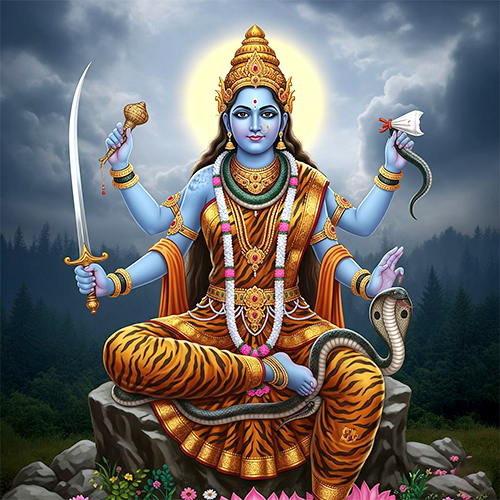
Maa Baglamukhi is often portrayed as a goddess of striking beauty, exuding a sense of calm and unyielding power. Her physical appearance and features symbolize both her nurturing and formidable aspects, reflecting her dual role as a protector and a conqueror of evil forces.
Complexion and Attire : Maa Baglamukhi is often depicted with a yellowish complexion, akin to the colour of gold, which symbolizes prosperity, wisdom, and spiritual purity. She is usually draped in a yellow saree and adorned with golden ornaments, representing wealth, strength, and divine energy. The colour yellow plays a central role in her worship, symbolizing her ability to bring prosperity and protection to her devotees.
Four Arms: Maa Baglamukhi is typically shown with four arms, a common feature in Hindu iconography that denotes her immense power and capacity to perform multiple divine actions. Each arm carries symbolic meanings and serves as a tool of protection and destruction:
- Left Hand: She is often depicted pulling the tongue of a demon or adversary, symbolizing her ability to silence harmful words and actions, representing the power to neutralize speech and disarm the intellect of enemies.
- Right Hand: She raises a club or mace, signifying her ability to strike down evil and destroy enemies. The club also represents her power to eliminate obstacles and bring forth divine protection to her devotees.
- Third Eye and Crescent Moon: Some depictions show Maa Baglamukhi with a third eye, symbolizing her divine vision and ability to see beyond the physical world, perceiving the truth in all situations. The crescent moon on her forehead connects her to Lord Shiva, symbolizing purity, peace, and inner strength.
- Crane Head (Occasionally): In some artistic representations, Maa Baglamukhi is shown with the head of a crane, a bird known for its patience, focus, and grace. This is a symbol of her ability to balance divine action with calmness, indicating her wisdom and her mastery over time.
Art, Sculptures, and Temple Depictions
In Hindu temples and sacred art, Maa Baglamukhi is often depicted in various forms, sometimes with a human head, and occasionally with a crane head, reflecting her dual nature as both a goddess of divine wisdom and a force of destruction. Temples dedicated to Maa Baglamukhi, such as those at Kamakhya in Guwahati, or in Himachal Pradesh, often feature her iconic image in prominent spaces.
Her sculptures usually emphasize her yellow attire and golden aura, and the yellow flowers offered during worship are seen as direct symbols of her grace and abundance. Her depictions in art and temple sculptures highlight her power to control negative energies, paralyze enemies, and safeguard devotees from harm.
Color Symbolism, Posture, and Mudras
Color Symbolism: The color yellow is most strongly associated with Maa Baglamukhi. It is considered the color of prosperity, strength, and spiritual wisdom. The yellow tone represents her power to uplift and protect, bringing success, wealth, and spiritual light to those who worship her.
Posture: Maa Baglamukhi is usually shown seated in a royal posture on a golden throne, exuding grace and authority. Her posture indicates her supreme control over both the material and spiritual realms, symbolizing that she sits at the throne of divine power and wisdom. This posture also conveys her receptive nature to devotees, ready to provide them with protection and guidance.
Mudras: Maa Baglamukhi’s hand gestures, or mudras, are powerful symbols of her divine energy:
- The abhaya mudra (gesture of protection) in one hand offers reassurance to her devotees, symbolizing her role as a protector.
- The varada mudra (gesture of granting boons) in another hand represents her ability to grant blessings and relief from adversity.
These visual symbols reinforce her role as a divine protector, enlightener, and master of destruction, removing obstacles and neutralizing negative forces. Worshippers invoke her through these powerful images and symbols, allowing them to connect to her spiritual essence and seek her divine protection in times of need.
Legends and Stories of Maa Baglamukhi
Maa Baglamukhi is a goddess whose legends are rich in spiritual and cosmic significance. Her stories emphasize her role as a divine protector, the annihilator of negative forces, and the embodiment of wisdom. These tales, passed down through generations, are not only captivating but are also deeply rooted in moral and spiritual teachings, highlighting the goddess's power to protect the righteous and eliminate evil. The following stories delve deeper into her divine acts and teachings, illustrating why she holds such a revered position among the Dus Mahavidyas.
The Tale of the Demoness Madan and the Divine Intervention
One of the most compelling legends of Maa Baglamukhi is her battle against the demoness Madan, who had obtained the boon of Vak Siddhi, allowing her words to materialize into reality. Madan misused this power, causing chaos by uttering commands that led to death, destruction, and widespread fear.
In this story, the gods, desperate to find a solution, approached Maa Baglamukhi for help. In a demonstration of her immense power, Maa Baglamukhi captured Madan’s tongue, effectively neutralizing her ability to harm others through speech. With her tongue bound, the demoness’s destructive influence came to an end, and the world was saved. This tale teaches the power of speech, words can either build or destroy. The lesson is clear: use words wisely, for they have the power to harm or heal.
The Binding of the Evil King by Maa Baglamukhi
Another powerful legend centres around a demonic king who terrorized the heavens and the earth. His power was so immense that he could subdue anyone who came against him. His tyranny spread across kingdoms, and the gods were helpless. They turned to Maa Baglamukhi for aid.
In a dramatic display of her strength, Maa Baglamukhi appeared before the evil king. She did not battle him with physical force, but instead used her divine powers to bind him. She paralyzed him with her cosmic energy, rendering him motionless and powerless. The story of this king teaches us that no matter how strong the forces of evil may seem, divine wisdom and power are greater. It reminds us that goodness and righteousness, represented by Maa Baglamukhi, will always triumph over tyranny.
The Story of Maa Baglamukhi and Lord Vishnu
In a story from the Vishnu Purana, it is said that Lord Vishnu once performed a severe penance to the goddess Maa Baglamukhi in order to seek her blessings to protect the universe. Vishnu’s desire was to preserve cosmic order and ensure that balance was maintained, especially when he faced the challenge of restoring peace after Mahishasura's destruction.
Pleased with his devotion, Maa Baglamukhi granted Vishnu her divine blessings, imbuing him with cosmic power to destroy the forces of chaos and bring about peace. This legend illustrates how devotion, discipline, and wisdom can align the cosmos, and how even deities must seek the guidance of Maa Baglamukhi in times of great challenge. The story highlights the importance of seeking divine wisdom and guidance during times of strife.
Maa Baglamukhi’s Role in the Protection of the Earth
A lesser-known story is that of Mother Earth, who once suffered from an eternal curse by a demonic force. This curse brought blight to the earth, causing crops to wither, rivers to dry up, and people to suffer. No divine power could free Earth from this affliction until Maa Baglamukhi intervened.
In this narrative, Earth called upon Maa Baglamukhi for help. The goddess, in her infinite power, paralyzed the demon responsible for the curse, rendering it powerless to continue its harm. The earth, freed from the blight, began to bloom again, and life returned to normal. This story teaches the lesson that divine protection is essential for the well-being of the world and that in times of crisis, the divine forces are always present to restore balance.
The Role of Maa Baglamukhi in Protecting Devotees from Black Magic
Maa Baglamukhi is also associated with the ability to protect her devotees from the harmful effects of black magic and evil energies. In one legend, a devotee who had been subjected to the malicious workings of black magic called out to Maa Baglamukhi for protection. Upon hearing the devotee’s plea, Maa Baglamukhi appeared and destroyed the black magic, rendering the dark forces powerless.
This story emphasizes the goddess’s role as a protector against unseen forces that seek to harm or manipulate people. Her followers believe that by invoking her power, they can shield themselves from negative energies, curses, and ill-willed intentions, ensuring a life of peace and harmony.
Moral and Spiritual Lessons from Maa Baglamukhi’s Legends
Power of Speech:
Maa Baglamukhi teaches the importance of words and how they can either build or destroy. Using speech wisely and truthfully is a key principle of her teachings.
Divine Intervention:
The goddess demonstrates that when faced with overwhelming challenges, divine wisdom and intervention are the ultimate solutions. No obstacle is too great when one aligns with divine power.
Protection from Evil:
Maa Baglamukhi serves as a reminder that protection from negative forces is always available through devotion and faith in the divine. Evil energies can be neutralized with the power of the divine, providing safety and peace.
Self-Control:
Like other Mahavidyas, Maa Baglamukhi symbolizes the importance of self-discipline, as seen in her ability to paralyze and control destructive forces, teaching us to maintain balance in our lives.
Maa Baglamukhi’s legends offer profound insights into wisdom, divine intervention, and the power of spiritual protection. These stories emphasize that through devotion and faith, we can overcome any negative influence and align with the divine forces that ensure our protection, success, and spiritual growth.
Mantras Dedicated to Maa Baglamukhi
Mantras dedicated to Maa Baglamukhi are powerful tools used to invoke her divine protection, wisdom, and strength. By chanting her sacred mantras, devotees seek her blessings to neutralize enemies, protect from evil forces, and achieve success in challenging situations. Maa Baglamukhi’s mantras are believed to carry the power to silence negativity and bring peace to the devotee's life.
Key Mantras with Meanings
Baglamukhi Moola Mantra
'Om Hlreem Sarva Dusthaanaam Vaacham Mukham Paadam stambhaya jihvyam kilaya buddhim vinaashaya Hlreem Om Swaha'
Meaning : This moola mantra is the central prayer to Maa Baglamukhi. It is invoked to stop the speech, paralyze the intellect, and eliminate the evil influence that works against the devotee. The mantra is used to destroy the harmful intentions and thoughts of enemies, ensuring that the devotee is protected from both external and internal threats. It also symbolizes the removal of obstacles in life.
Baglamukhi Beej Mantra
'Om Hreeng Aing Kleeng Shri Bagalanane Mam Ripoon Naashay Naashay Mamaishwaryaani Dehi Dehi SHeeghram Manovanchhitam Saadhay Saadhay Hreeng Swaahaa'
Meaning: This beej mantra is known for its power to overcome enemies and remove financial difficulties. The repetition of this mantra brings about victory, success in business, and the removal of financial blockages. It also helps the devotee in facing challenges with confidence and overcoming obstacles in various areas of life.
Baglamukhi Kavach Mantra
'hiro may Bagla patu hriday may kakch ri para. Om hreem om may lalate ch Bagla vairi nashinee'
Meaning: This kavach mantra acts as a protective shield against evil energies, black magic, and negative influences. By chanting this mantra, the devotee is believed to be shielded from all harm. The kavach offers security in legal matters, helps overcome personal struggles, and provides divine guidance during times of crisis.
Benefits of Chanting Baglamukhi Mantras
Victory over Enemies:
The chanting of Maa Baglamukhi's mantras is believed to neutralize adversaries. Whether in personal conflicts, legal battles, or challenges in business, chanting her mantras helps silence opposition and ensures success.
Protection from Negative Energies:
Maa Baglamukhi’s mantras provide spiritual protection from harmful energies, evil eye, and black magic. Devotees chant these mantras to create a protective shield around themselves and their families, safeguarding them from negative influences.
Mental Clarity and Confidence:
Regular chanting of her mantras helps devotees clear mental confusion and boost their confidence. It enhances focus, decision-making abilities, and brings clarity during times of uncertainty, enabling the devotee to make wise choices and overcome challenges.
Financial Growth and Prosperity:
Chanting Maa Baglamukhi's mantras is believed to remove financial blockages, increase wealth, and bring success in business. The mantras help in removing debts and other financial constraints, allowing the devotee to experience abundance and prosperity.
Spiritual Growth and Peace:
Maa Baglamukhi’s mantras are also tools for spiritual purification. The repetition of these sacred words fosters a connection with the divine, calming the mind and removing inner turmoil, allowing the devotee to walk the path of righteousness with peace and tranquillity.
How to Please Maa Baglamukhi
Worshipping Maa Baglamukhi requires a deep level of devotion and commitment. Her divine powers are invoked through specific rituals, offerings, and practices that align with her essence of protection, wisdom, and removal of obstacles. Following the correct procedures in worship and adhering to dos and don’ts ensures that the devotee can receive her blessings and divine guidance.
Recommended Offerings and Worship Practices
To please Maa Baglamukhi and invite her blessings, devotees must perform rituals with sincerity and dedication. The following practices are recommended:
Yellow Offerings:
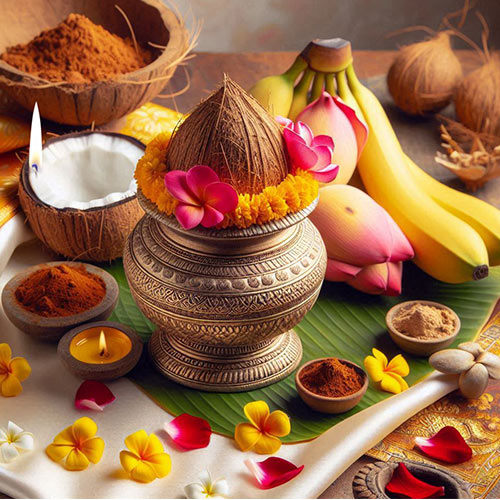
Maa Baglamukhi is associated with the color yellow, symbolizing prosperity, wisdom, and spiritual energy. Devotees should offer yellow flowers, yellow sweets (like boondi or besan ladoo), and yellow cloth during prayers to honour her. These offerings are believed to resonate with her divine energy and attract positive vibrations.
Lighting a Ghee Lamp:
A ghee lamp (or diya) should be lit during worship, symbolizing the light of wisdom and purification. The flame of the ghee lamp represents the removal of darkness, both externally and within the devotee, inviting Maa Baglamukhi’s protective energy.
Chanting Maa Baglamukhi's Mantras:
Reciting her moola mantra or beej mantra daily is essential to invoke Maa Baglamukhi’s divine power. The ideal count for chanting her mantras is 1,25,000 times for maximum benefit, although even smaller recitations can be effective. Rudra Centre offers beads or malas to assist in counting and maintaining focus during mantra chanting.
Sacred Water:
Offer holy water or milk to the idol or image of Maa Baglamukhi as part of the ritual. This act is considered a way to purify and honour the deity, symbolizing devotion and respect.
Puja Rituals:
Performing the Shodashopachara Puja, which consists of 16 offerings, is an ideal practice to please Maa Baglamukhi. It involves offering flowers, incense, water, light, and food, with each item symbolizing a different aspect of the goddess. This is best done during special occasions like Navratri or Makara Sankranti.
Do’s and Don’ts in Worshiping Maa Baglamukhi
Following proper protocol in worship is essential for receiving Maa Baglamukhi’s blessings. Here are some key do's and don'ts:
Do’s:
- Perform the rituals with sincerity and full devotion. Maa Baglamukhi responds to heartfelt prayers and rituals.
- Offer yellow-coloured items as she is deeply connected to the color yellow.
- Maintain cleanliness in the worship area and in personal attire during the ritual. Cleanliness is crucial in inviting divine blessings.
- Chant her mantras daily, preferably in the morning after taking a bath. Early morning prayers are considered highly auspicious.
- Observe purity in thoughts and actions. Maa Baglamukhi’s blessings require devotees to live a disciplined life, free from deceit, greed, or malice.
Don’ts:
- Do not offer non-vegetarian food or alcohol in her worship. As Maa Baglamukhi symbolizes purity and discipline, these offerings are considered inappropriate.
- Avoid anger and negative emotions while worshiping her. It is important to approach her with a peaceful heart and mind.
- Do not interrupt the worship ritual once it has begun. Interruptions are believed to disrupt the flow of energy.
- Do not worship with impatience. Maa Baglamukhi’s blessings come with sincere devotion and worshiping her in haste or with expectations of immediate results can lead to unfulfilled desires.
Best Days and Times for Prayer
The most auspicious times for praying to Maa Baglamukhi are during special festivals and auspicious days:
Navratri:
The most significant festival to worship Maa Baglamukhi is Navratri, which celebrates the Divine Feminine. During the nine nights of this festival, devotees invoke the powers of the Dus Mahavidyas, including Maa Baglamukhi, to remove obstacles and seek her protection.
Gupta Navratri:
Gupta Navratri is another important period for worshiping Maa Baglamukhi. Occurring during the months of Chaitra or Ashvin, this hidden or secret Navratri is considered more powerful for inner spiritual practices. Devotees focus on invoking the hidden energies of the Mahavidyas during these days, as they are believed to be more potent in helping to eliminate enemies and grant spiritual success.
Fridays:
Fridays are considered an auspicious day for worshipping Maa Baglamukhi. It is the day associated with the planet Venus (Shukra), which is linked to prosperity and wealth. Worshipping her on Fridays ensures success in both spiritual and material aspects of life.
Early Morning:
The best time to pray to Maa Baglamukhi is early in the morning, just after dawn. It is believed that during the early hours, the mind is the clearest, and the energy for prayer is most effective. Performing the rituals at this time ensures the invocation of divine blessings.
Other Auspicious Days:
Other days such as Full Moon Days and special lunar events are also considered excellent for Maa Baglamukhi worship. During these times, the cosmic energies are believed to align perfectly, amplifying the power of the prayers and rituals performed.
Puja Vidhi at Home for Maa Baglamukhi
Worshipping Maa Baglamukhi at home can be a simple and powerful ritual. Follow this step-by-step guide to invite her divine presence, ensuring protection and blessings in your life.
Step-by-Step Home or Festival Puja Guide:
Prepare the Worship Area:
- Clean the area where you will perform the puja.
- Place a yellow cloth on the altar or puja table as Maa Baglamukhi is associated with the color yellow.
- Place the idol or picture of Maa Baglamukhi on the cloth.
- Optionally, place a Baglamukhi Yantra nearby for added spiritual energy.
Lighting the Lamps:
- Light a ghee lamp (diya) and place it in front of the idol/picture. The flame represents the divine light and purification of negative energies.
- Light incense sticks or dhoop to purify the space and create a serene atmosphere.
Offer Flowers and Prayers:
- Offer yellow flowers to Maa Baglamukhi as she is associated with the color yellow. These can be marigolds or any other yellow flowers.
- Say a prayer or express your gratitude and devotion before beginning the mantra chanting.
Chant the Mantras:
Maa Baglamukhi’s Moola Mantra:
Chant the Moola Mantra 108 times or as many times as possible. The mantra is:
'Om Hlreem Sarva Dusthaanaam Vaacham Mukham Paadam stambhaya jihvyam kilaya buddhim vinaashaya Hlreem Om Swaha'
Baglamukhi Beej Mantra:
You can also chant the Beej Mantra:
'Om Hreeng Aing Kleeng Shri Bagalanane Mam Ripoon Naashay Naashay Mamaishwaryaani Dehi Dehi SHeeghram Manovanchhitam Saadhay Saadhay Hreeng Swaahaa'
Perform Aarti:
- After chanting the mantras, perform the Aarti (a prayer with light).
- Take a small plate and fill it with ghee or camphor. Light it and wave it in a circular motion around the idol while singing the Aarti song dedicated to Maa Baglamukhi.
- Offer the Aarti light to Maa Baglamukhi’s idol or picture, symbolizing the light of wisdom dispelling darkness and negativity.
Prayers for Protection and Prosperity:
- After performing the Aarti, ask Maa Baglamukhi for protection, victory over enemies, and success in your endeavours.
- Pray for spiritual growth, peace in your life, and the ability to neutralize negative forces.
Closing the Puja:
- Thank Maa Baglamukhi for her blessings and protection.
- Place prasad (offering) like sweets, fruits, or yellow-coloured food in front of the idol as a gesture of gratitude.
Required Materials:
- Maa Baglamukhi Idol or Picture
- Yellow cloth for the altar
- Ghee lamp (diya) or candle
- Incense sticks or dhoop
- Yellow flowers (marigolds are recommended)
- Camphor for Aarti
- Baglamukhi Yantra (optional)
- Prasad: Sweets, fruits, or yellow-coloured food
Chanting and Aarti Process:
Chanting:
- Begin by sitting in a comfortable posture and chanting the mantra aloud or mentally.
- Focus on Maa Baglamukhi’s image, seeking her divine protection and wisdom with every repetition.
- Aim for a minimum of 108 repetitions or complete the chant as much as possible during the puja.
Aarti:
- Once the chanting is complete, light the camphor or ghee lamp and perform the Aarti by gently waving it in a circular motion around Maa Baglamukhi’s idol while singing the Aarti song.
- Offer the Aarti to Maa Baglamukhi, asking for her blessings for protection, prosperity, and success.
By following these simple steps, you can easily perform a home puja for Maa Baglamukhi and invite her powerful protection, wisdom, and blessings into your life.
Temples Dedicated to Maa Baglamukhi
Maa Baglamukhi is worshipped in several temples across India and abroad, where devotees seek her blessings for protection, success, and spiritual growth. These temples serve as powerful centers of spiritual energy, with their architectural beauty and historical significance contributing to the deep reverence held for the goddess.
Major Temples in India and Abroad
Kamakhya Temple (Guwahati, Assam)
The Kamakhya Temple is one of the most significant pilgrimage sites for the Mahavidyas, and within its complex is a temple dedicated to Maa Baglamukhi. Situated on the Nilachal Hills, the Kamakhya temple is a major center of Shakti worship in India, attracting millions of devotees. Maa Baglamukhi’s temple here is revered for its spiritual potency, where devotees seek her divine protection and wisdom.
Pathankot (Himachal Pradesh)
On the Pathankot-Mandi Highway (NH20), there is a temple dedicated to Maa Baglamukhi, where devotees visit to invoke her divine powers. This temple is known for its spiritual ambience and is frequently visited by pilgrims seeking success in business and protection from evil forces.
Bankhandi (Himachal Pradesh)
Bankhandi in Himachal Pradesh houses another significant temple dedicated to Maa Baglamukhi. The temple is famous for its serene environment and is often visited by devotees seeking blessings for peace and prosperity.
Kotla (Himachal Pradesh)
Located in Himachal Pradesh, the Kotla Temple is another important site where Maa Baglamukhi is worshipped. This temple is associated with invoking her protection, especially for those facing challenges in personal or professional life.
Nalkheda (Madhya Pradesh)
The Nalkheda Temple in Agar Malwa district of Madhya Pradesh is a revered temple of Maa Baglamukhi. This temple attracts devotees from all over the country, especially during Navratri and other festivals.
Hoshiarpur (Punjab)
Badowan, a village near Hoshiarpur in Punjab, houses another temple dedicated to Maa Baglamukhi. It is a prominent pilgrimage site for those seeking spiritual enlightenment and protection from negative forces.
Sri Baglamukhi Temple (Dubai, UAE)
In Dubai, UAE, Maa Baglamukhi has a devoted following among the Indian diaspora. The temple is an important center of worship for devotees who seek her blessings for protection, success, and prosperity.
Architectural and Historical Insights
The temples dedicated to Maa Baglamukhi often feature architectural designs reflective of traditional Shakti worship. These temples typically showcase symbolic representations of the goddess, often in the form of idols, yantras, and other spiritual symbols, such as yellow flowers and ghee lamps, that are associated with her divine energy.
The architecture of these temples is influenced by Vastu Shastra and typically follows the traditional Shakti Peetha design, with intricate carvings and sculptures depicting the goddess’s iconography. Many of the temples are situated in serene locations, often surrounded by nature, symbolizing the goddess’s connection to cosmic forces.
Products & Services for Maa Baglamukhi Worship
Rudra Centre offers a variety of sacred products and puja services dedicated to Maa Baglamukhi, providing devotees with the opportunity to deepen their connection with the goddess and receive her divine blessings. Whether you're seeking to perform rituals at home, invoke her protection, or wear her divine energy, Rudra Centre provides all the necessary tools to enhance your spiritual practice.
Baglamukhi Puja and Yagna – Night Puja
Rudra Centre offers a Baglamukhi Puja and Yagna service that is performed by learned priests. This night puja is designed to invoke the protective and wisdom-enhancing powers of Maa Baglamukhi. The ritual focuses on removing obstacles, neutralizing negative energies, and ensuring victory over adversaries. Performing this puja invites Maa Baglamukhi’s divine presence and blessings into your life. The service is suitable for those looking to overcome difficulties and ensure success in their personal, professional, and spiritual endeavours.
Click on the link to buy Baglamukhi Puja & Yagna (Night Puja)
Baglamukhi Puja and Havan at Nalkheda Temple, Ujjain
For those seeking a more immersive experience, Rudra Centre offers the Baglamukhi Puja and Havan at the Nalkheda Temple in Ujjain, one of the key places dedicated to Maa Baglamukhi. The havan (fire ritual) is an ancient Vedic practice designed to invoke divine energies and bring prosperity, success, and protection from enemies. Participating in this puja at such an auspicious location amplifies the effects of Maa Baglamukhi’s blessings, making it a powerful experience for devotees.
Click on the link to buy Baglamukhi Puja & havan at Nalkheda Temple, Ujjain
Baglamukhi Yantra
The Baglamukhi Yantra is a sacred geometric diagram representing the goddess’s divine energy. Placing the yantra in your home or workspace invites Maa Baglamukhi's blessings of protection, wisdom, and victory over obstacles. It is said to neutralize negative forces and bring prosperity, ensuring that the devotee is shielded from evil and malicious intentions. The yantra is particularly beneficial for those seeking success in business, legal matters, and competitive exams.
Click on the link to buy Baglamukhi Yantra
Shree Baglamukhi Yantra Locket (Silver)
For those who wish to carry Maa Baglamukhi's divine energy with them, Rudra Centre offers the Shree Baglamukhi Yantra Locket in Silver. This protective amulet serves as a constant reminder of her power and wisdom, shielding the wearer from harmful energies and granting confidence in the face of adversity. Wearing the locket is believed to bring protection from enemies, prosperity, and mental clarity. It is an ideal choice for those who seek Maa Baglamukhi’s guidance in daily life.
Click on the link to buy Baglamukhi Yantra Locket (Silver)
Haldi (Turmeric) Beads Garland Mala for Deity Puja
The Haldi (Turmeric) Beads Garland Mala is another powerful product available at Rudra Centre. Made from turmeric beads, which are sacred in Hinduism, this mala is used for worshiping deities like Maa Baglamukhi. Turmeric, associated with purification and protection, enhances the worship process, helping the devotee connect with Maa Baglamukhi’s divine energies. This garland is ideal for performing daily rituals or special prayers, and it is believed to purify the surroundings, bringing peace and positive energy.
-in-Astrology.jpg)
.jpg)


Dipendra Singh
|February 26, 2024
Thanks for sharing such useful information 🙏🙂💐