

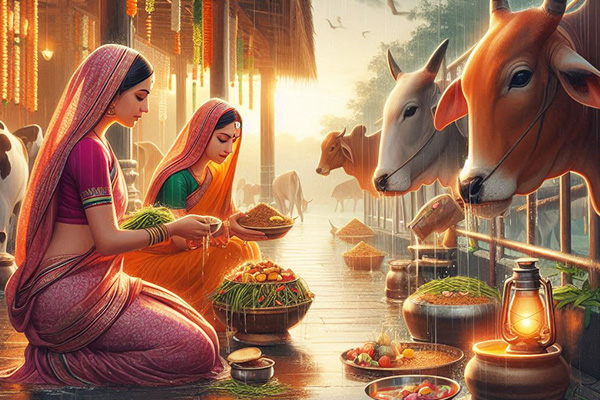
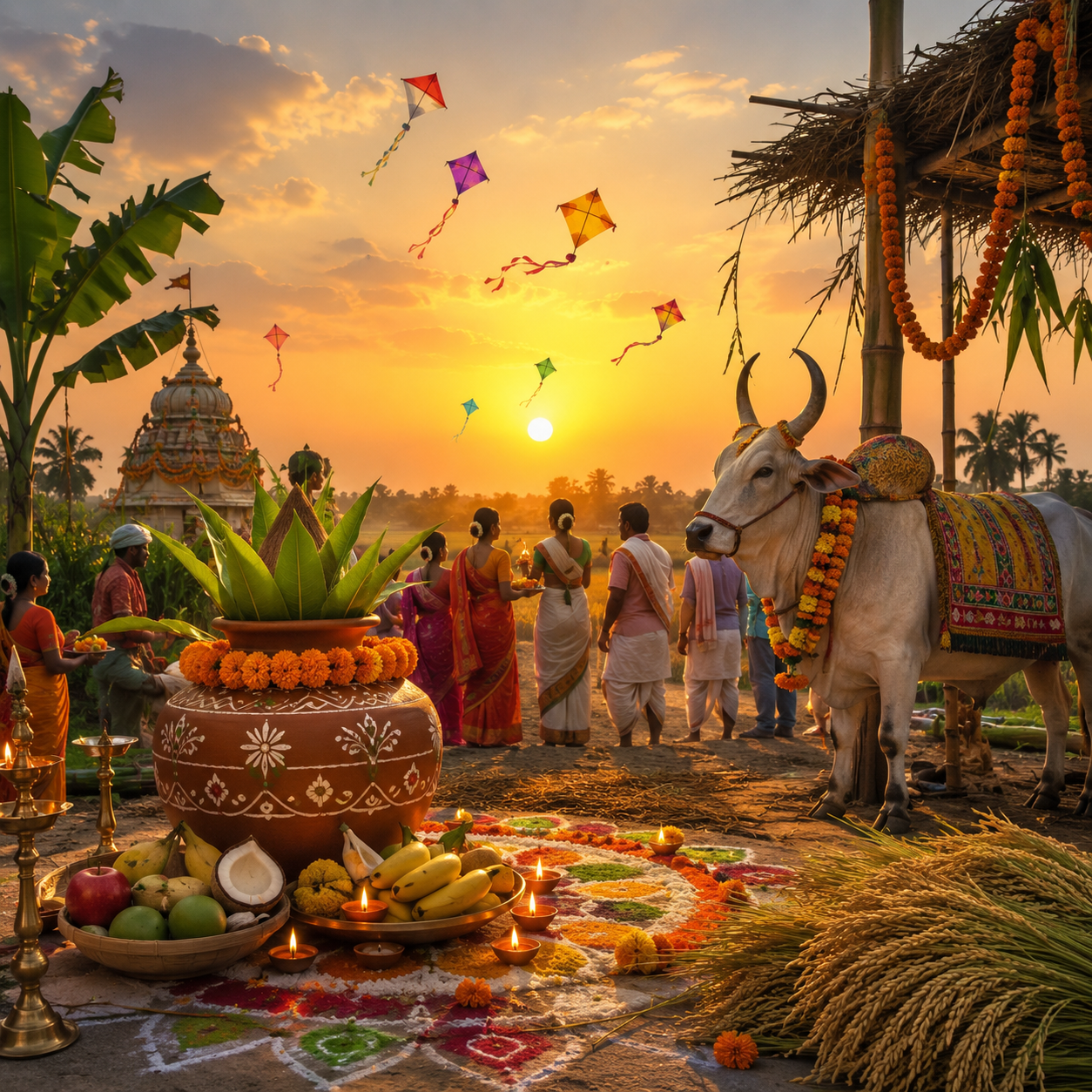
Bahula Chaturthi aka Bol Chauth Vrat is a cultural festival of India wherein the cattle are worshiped by the farming community, especially women. The festival happens during the auspicious month of Shravan . While the festival is celebrated across the county, it is reverentially celebrated in the state of Gujarat a day before Nag Panchami . On this day, cows and calves are worshipped. It is believed that those who fast the whole day on Bahula Chaturthi and worship cows in the evening attract fortune. Devotees on this day refrain from having milk and consuming milk products, considering that only calves have the right to drink cow milk. Pictures or idols Lord Krishna signifying His love for the cows called Surabhi cows, are worshipped by the devotees. The farming communities throughout Gujarat get up early in the morning. The sheds and the cattle are washed thoroughly on the occasion. Delicious eatables are prepared from rice and offered to the cattle.
When is Bahula Chaturthi? Bol Chauth Date & Timing (Tithi & Muhurat)
Bol Choth on Monday, August 31, 2026
Godhuli Puja Muhurat - 06:42 PM to 07:07 PM
Duration - 00 Hours 25 Mins
Moonrise on Bol Choth Day - 08:52 PM
Chaturthi Tithi Begins - 08:50 AM on Aug 31, 2026
Chaturthi Tithi Ends - 07:41 AM on Sep 01, 2026
Bahula Chaturthi Meaning
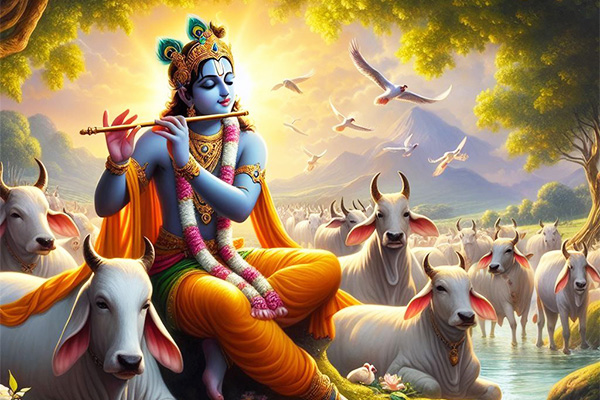
The term Bahula Chaturthi is derived from two Sanskrit words — ‘Bahula’, meaning cow , and ‘Chaturthi’, meaning the fourth lunar day . Thus, Bahula Chaturthi signifies a sacred observance dedicated to the worship, protection, and reverence of cows, celebrated on the fourth day (Chaturthi) of Krishna Paksha during the Shravan month.
In Hindu tradition, the cow is regarded as Gau Mata, the universal mother who nourishes life selflessly. She symbolizes abundance, fertility, compassion, and sustenance. Bahula Chaturthi is therefore not merely a ritualistic festival, but a profound reminder of humanity’s dependence on nature and the moral responsibility to honor and protect it. By dedicating an entire day to the cow, this observance reinforces gratitude toward the beings that silently support agricultural life and human survival.
The meaning of Bahula Chaturthi is deeply rooted in ethical restraint and empathy. On this day, devotees consciously abstain from consuming milk and milk products, acknowledging the belief that a calf has the first right over its mother’s milk. This act reflects the values of sacrifice, fairness, and respect for natural bonds. The festival subtly teaches that dharma lies in limiting one’s desires rather than exploiting resources.
Spiritually, Bahula Chaturthi highlights the sacred bond between motherhood and protection. The cow is seen as the embodiment of maternal love, much like the Earth itself, who gives endlessly without expectation. Worshipping cows on this day is believed to invite prosperity, remove misfortune, and ensure the well-being of one’s family, especially children.
In essence, the meaning of Bahula Chaturthi transcends ritual worship. It represents a harmonious way of life where gratitude, compassion, and respect for all living beings form the foundation of spiritual growth and societal balance.
Significance of Bahula Chaturthi
Bahula Chaturthi holds deep spiritual, cultural, and ecological significance in Hindu tradition, especially within agrarian communities. This sacred observance is dedicated to the worship of cows and calves, who are revered as symbols of motherhood, nourishment, abundance, and selfless service. In Sanatan Dharma, the cow is regarded as Gau Mata -a living embodiment of compassion and prosperity-whose presence sustains both human life and the natural order.
Celebrated during the holy month of Shravan, Bahula Chaturthi reflects humanity’s gratitude toward cows for their vital role in agriculture, sustenance, and rural livelihood. The festival emphasizes the principle that humans must coexist harmoniously with nature and honor the beings that support life. By abstaining from milk and milk products on this day, devotees symbolically acknowledge that a calf has the first right over its mother’s nourishment, reinforcing values of empathy and restraint.
Spiritually, Bahula Chaturthi teaches the power of truth, sacrifice, and maternal devotion. The legends associated with this festival highlight how sincerity and righteousness triumph even over brute strength. Worshipping cows on this day is believed to remove obstacles, attract prosperity, and protect the family, especially children. For women, particularly mothers, observing the Bahula Chauth vrat is an act of prayerful protection for the longevity and safety of their sons.
Beyond ritual, Bahula Chaturthi is a reminder of India’s ancient wisdom that places dharma above consumption and gratitude above entitlement. By honoring cows, devotees reaffirm their commitment to compassion, sustainability, and moral responsibility, values that remain timeless and essential even today.
Bahula Chaturthi Puja Vidhi (Ritual):
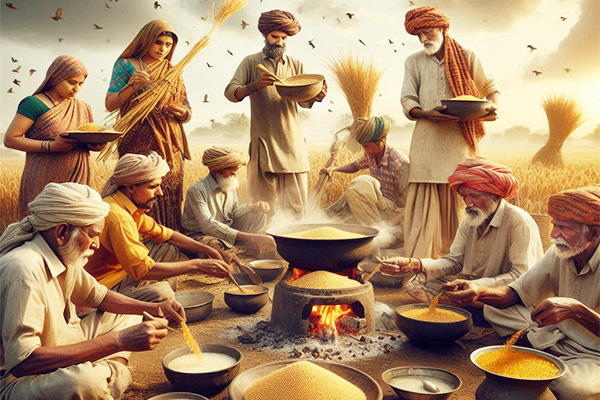
The Bahula Chaturthi Puja Vidhi is performed with simplicity, devotion, and deep reverence for cows, who are regarded as sacred embodiments of nourishment and motherhood. The rituals of this day emphasize purity, gratitude, and restraint rather than elaborate ceremonial practices.
Devotees begin the day by waking up early and taking a bath to purify the body and mind. Homes, cattle sheds, and surroundings are cleaned thoroughly, as cleanliness is considered essential before worship. In villages and farming households, cows and calves are bathed, their horns and hooves cleaned, and they are lovingly decorated with turmeric, kumkum, flowers, and sometimes garlands.
In the evening, during the Godhuli Kaal (twilight period), the main worship is performed. A clean space is prepared near the cowshed or in an open area. Devotees offer water, flowers, incense, and lamps to the cows and calves. Some households also worship pictures or idols of Lord Krishna, acknowledging His eternal bond with cows as Gopal or Govinda . Prayers are offered seeking forgiveness for any harm caused knowingly or unknowingly to cows and for blessings of prosperity, peace, and protection of children.
Special food items prepared from millets, rice, or simple grains are offered to the cows before being consumed by the family. Feeding the cows is considered the most important part of the puja, as it symbolizes selfless giving and gratitude. In many regions, devotees chant simple mantras, recite folk prayers, or listen to scriptural stories glorifying cows and Lord Krishna.
During the puja, devotees consciously avoid anger, harsh speech, and negative thoughts. The worship concludes with a heartfelt prayer expressing respect toward cows as sustainers of life and requesting their blessings for harmony in the household. The simplicity of the Bahula Chaturthi Puja Vidhi reflects the deeper spiritual teaching that true devotion lies in humility, compassion, and mindful living.
Bahula Chaturthi Vrat Vidhi (Fasting Rituals):
The Bahula Chaturthi Vrat is observed with devotion and discipline, primarily by mothers and women , for the protection, longevity, and well-being of their children , especially sons. This vrat is deeply rooted in compassion, restraint, and reverence toward cows, who are regarded as sacred mothers in Hindu tradition.
Devotees begin the vrat early in the morning after taking a purifying bath. A sankalp (solemn vow) is taken to observe the fast with sincerity, praying for the safety, prosperity, and happiness of the family. Throughout the day, devotees maintain purity in thought, speech, and conduct, avoiding anger, harsh words, and negative emotions.
On Bahula Chaturthi, the consumption of milk and milk products is strictly avoided , as it is believed that on this day only calves have the rightful claim over their mother’s milk. Wheat and rice are also prohibited, along with foods that require cutting with a knife. This symbolic restraint reinforces the values of non-violence, empathy, and respect for life.
The fast is generally observed by consuming millet-based food, fruits, and simple satvik preparations , or by observing a partial fast until evening. Many devotees prefer to eat only after completing the cow worship during Godhuli Kaal . Some women also observe a nirjala vrat (without food and water) based on personal capacity and family tradition.
A unique aspect of the Bahula Chauth fast is the worship of clay idols of a cow and a lion , representing compassion and strength. These symbolic elements are worshipped to invoke balance, protection, and moral strength. The vrat is concluded after evening puja, with prayers offered to Gau Mata seeking forgiveness for any conscious or unconscious harm and blessings for family welfare.
Observing Bahula Chaturthi Vrat with devotion is believed to protect children from misfortune, bring harmony in the household, and attract prosperity, while instilling values of gratitude, restraint, and reverence toward nature.
Bahula Chauth Vrat Katha:

There’s a legend or Vrat Katha (story of this festival) popular among the farming communities especially of Gujarat. There was a cow named Bahula who faced a lion while going home to feed her calf. The hungry lion intimidated her and made it clear he wanted to satisfy his hunger with her flesh. Scared to death, the cow gathered some courage and said she needs to feed her calf. Once done, she will come back, and he then can have her. The lion let her go and awaited her return. After feeding her calf, she returned and surprised the lion. The lion was shocked to see her commitment and let her go. The passion, anger and physical strength of the lion could not stand the cow’s ever-increasing love for her calf.
Another legend popular in the Morbi region of Kutch (Gujarat) is that once a married woman of a farmer’s family had ignorantly killed a calf named Ghaulo instead of ‘Ghauulo’ regional and traditional name for wheat grains. Sacred to death, her mother-in-law hid the dead calf away in the forest. When the villagers unearthed the truth, they informed the Villages’s head. Considering the heinous act was committed by a married woman in ignorance, the head declared that on this day no one would make any milk products, eat wheat items or anything that needs to be cut with a knife. Only millet items and steamed green grams should be consumed.
Conclusion
Bahula Chaturthi is a gentle yet powerful reminder of the values that form the foundation of Sanatan Dharma — gratitude, compassion, restraint, and reverence for life . Through the worship of cows and the observance of vrat, devotees honor the nurturing forces that sustain both nature and human existence. This sacred festival, deeply rooted in agrarian culture, teaches that prosperity and protection arise not from excess, but from humility and mindful living.
The rituals, fasting disciplines, and stories associated with Bahula Chauth highlight the sanctity of motherhood, the power of truth, and the importance of fulfilling one’s moral duties with sincerity. By abstaining from milk and certain foods, devotees symbolically acknowledge the sacred bond between a mother and her child, reinforcing empathy and respect toward all living beings.
Observing Bahula Chaturthi with devotion is believed to bring family harmony, protection of children, prosperity, and inner peace . More than a ritual, it is a celebration of ethical living and a timeless message that when humans live in harmony with nature, life flourishes in balance. In honoring Gau Mata on this auspicious day, devotees reaffirm their commitment to dharma, compassion, and the spiritual wisdom passed down through generations.
-in-Astrology.jpg)

.jpg)


Comments 0
Leave your thought here