

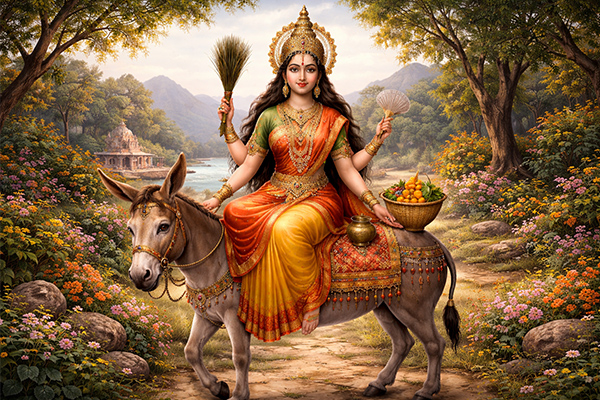
Sheetala Ashtami (Basoda), a sacred day of immense spiritual and health-related significance, is dedicated to the worship of Sheetala Devi, the divine protector against diseases and epidemics. Known as the day of cooling and healing, Sheetala Ashtami symbolizes the importance of cleanliness, discipline, and the sacred bond between devotion and health. The day inspires devotees to embrace a lifestyle that harmonizes spirituality with hygiene, ensuring protection from ailments and negative influences.
In 2026, Sheetala Ashtami (Basoda) will be observed on Wednesday, March 11th. This sacred day is marked by fasting, prayers, and traditional rituals, with devotees offering pre-cooked food (Basoda), neem leaves, turmeric, and holy water to the goddess. Worshippers seek the divine blessings of Goddess Sheetala through acts of devotion, recitation of hymns such as the Sheetala Ashtakam, and charitable deeds that promote communal well-being. It is believed that observing Sheetala Ashtami (Basoda) with sincerity and faith purifies the soul, shields devotees from ailments, and bestows peace, prosperity, and divine protection upon families.
Festival Date, Time, Muhurat & Tithi
Sheetala Ashtami will be observed on Wednesday, March 11, 2026 .
Sheetala Ashtami Puja Muhurat:
06:50 AM to 06:47 PM
Duration: 11 Hours 57 Minutes
Sheetala Saptami: Tuesday, March 10, 2026
Tithi Details
Ashtami Tithi Begins:
01:54 AM on March 11, 2026
Ashtami Tithi Ends:
04:19 AM on March 12, 2026
Note:
Sunrise and sunset timings vary by region due to India’s geographical diversity. For exact local observance and puja timings, devotees are advised to consult their regional Panchang or local astronomical data.
Significance & Importance of Sheetala Ashtami
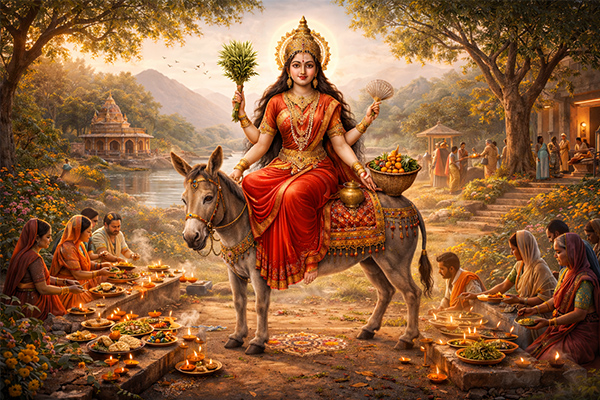
Sheetala Ashtami holds profound spiritual significance as it is a day dedicated to the worship of Goddess Sheetala, the divine protector from diseases and misfortunes. Observed on the eighth day (Ashtami) of the Krishna Paksha (waning moon) in the month of Chaitra, the day symbolizes the goddess’s role as a healer and purifier. She is believed to safeguard her devotees from infectious diseases, particularly smallpox, chickenpox, and other epidemics, and bring peace and prosperity to their lives. The day serves as a reminder of the spiritual and physical harmony that comes from following pure practices and devotion. Worshipping Goddess Sheetala helps ward off illness and restore balance, making it a time to seek both spiritual purification and divine protection.
The spiritual importance of Sheetala Ashtami extends beyond just health; it emphasizes the values of cleanliness, discipline, and mindful living. Devotees refrain from cooking fresh food on this day, opting instead to offer pre-cooked meals (Basoda), which signifies self-restraint and detachment from worldly desires. The observance encourages a life of simplicity and purity, where the physical environment is purified, and the heart and soul are aligned with divine principles. By performing rituals like chanting the Sheetala Ashtakam, offering neem leaves and turmeric, and distributing prasad to the needy, devotees cultivate spiritual discipline, compassion, and gratitude, reinforcing the sacred relationship between spiritual well-being and physical health.
In addition to protection from diseases, the observance of Sheetala Ashtami brings divine blessings for peace, prosperity, and family well-being. The day also holds great significance in terms of community welfare. By performing acts of charity, devotees not only gain the goddess's favor but also contribute to the collective good, reinforcing the importance of compassion, service to others, and selflessness. Ultimately, Sheetala Ashtami is a powerful reminder that true protection and well-being come from aligning oneself with divine principles of cleanliness, devotion, and mindful living. It is a day to reflect on the deeper connections between faith, health, and the greater good of the community.
Physical Characteristics Of Sheetala Devi
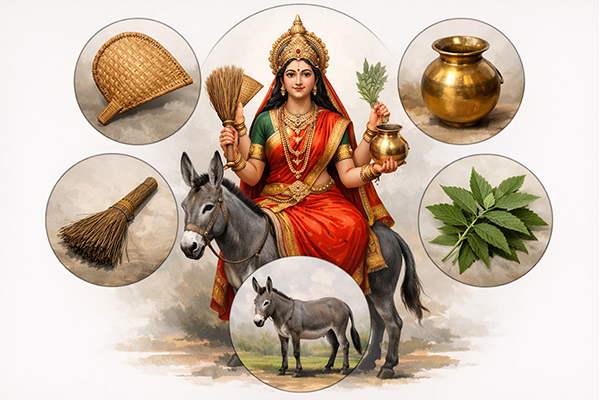
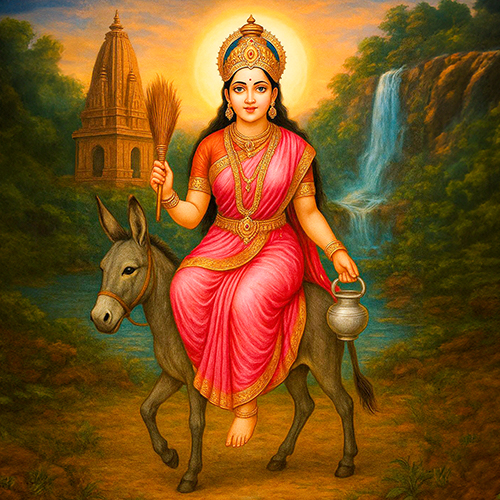
Every deity described in the Vedic literature holds divine objects that are associated with natural elements of cosmic creation. Seated on an donkey, Goddess Sheetala holds a winnowing fan, a broom, a pot, and a bunch of neem leaves.
Winnowing Fan:
Goddess Sheetala holds a winnowing-fan which represents purification. A winnowing-tool or fan is used to separate the straw from the grains. It showcases the process of purification. When the body is diseased, it needs to be purified from the ailment and restored to its original state.
Broom:
The goddess uses Her divine broom to either spread the germs or dust off the same. Spreading germs here means inflicting the negative with the negative. In the scriptures, She is said to inflict the demons with the fatal germs and heal those suffering from fevers by driving the germs out of their body.
Pot:
Goddess Sheetala carries a pot full of healing water. This water is soothing and enlivening. When a person recovers from a fever, he regains his natural state which is to attain a higher state.
Neem leaves:
A Neem leaf (Azadirachta indica) in Ayurveda is a medicinal, healing remedy for skin problems and other inner bodily issues. As per Vedic literature, both the body (matter) and the soul (spirit) must be kept together. When both are healthy, it is easier to tread the spiritual path.
Donkey:
Sheetala is seated on Her divine vahana (vehicle) donkey. It represents one’s being humble, calm and focused on one’s duties in times of crisis like that of a disease.
Story of Sheetala Ashtami
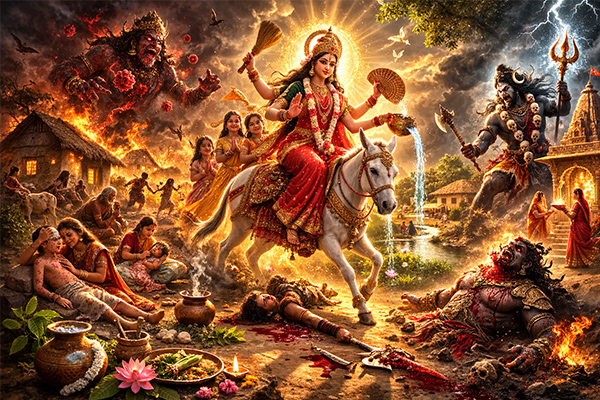
The Devi Mahatmaya describes all of Goddess Durga's manifestations in exquisite detail. When there is an imbalance in the natural order of universal functions, an incarnation of Durga appears at the appropriate time, place, and circumstances. For example, when the peaceful environment on Earth is disrupted by an invincible demon, Durga selects the most appropriate form to kill him.
Once upon a time, Goddess Durga took the form of Katyayani, the daughter of Sage Katyayan, who bravely defended the village against the atrocities of demons led by Kaalkeya. One of his demons, Jwarasura, infected the village with diseases like dysentery, smallpox, chickenpox, and cholera. The Sanskrit word 'jwara' means 'fever.'. Jwarasura, the demon of fever, continued to spread the germs of those horrible diseases. Katyayani shielded her young friends (children) from the diseases, but when the spread accelerated, she took on the form of Sheetala Devi, who wielded a short broom, a winnowing fan, a jar of cooling water, and a drinking cup to eradicate the diseases.
She later asked her friend Batuk to stop the demon Jwarasura. However, the demon and Batuk fought, and the latter died. Jwarasura, who was both happy and conceited, was surprised to see Batuk's body turn to dust.
Jwarasura then encountered a fierce figure with three eyes and four arms holding a battle axe, sword, trident, and demon heads. He was dark in color and wore a garland of skulls, which terrified Jwarasura. When Jwarasura inquired about His identity, He called him muddha (fool) and instructed him to surrender to the feet of Goddess Katyayani, who is none other than Durga. When Batuk realized he had taken on the form of Shiva, Bhairava, he became aggressive and began fighting. Bhairava used His cosmic trident to decapitate the demon, putting an end to his heinous atrocities.
People worship Goddess Sheetla either regionally or locally. Her temples depict her alongside Jvarasura (the demon who causes fevers), Ghentu Debata (the god of skin diseases), Raktabati (the goddess of blood infections), and Oladevi, a goddess of diseases such as cholera.
How to celebrate Sheetala Ashtami
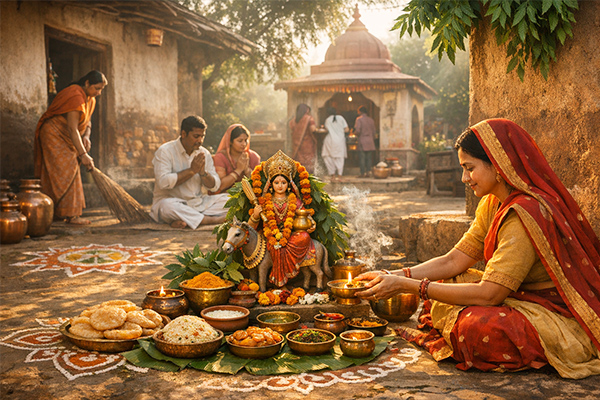
To celebrate Sheetala Ashtami, devotees begin the day with an early morning bath followed by cleaning the house and puja area to invoke purity. The key ritual involves not cooking fresh food on this day. Instead, pre-cooked food (Basoda) is offered to Goddess Sheetala, symbolizing discipline, purification, and detachment from worldly desires. Offerings like neem leaves, turmeric, and curd are placed before the goddess, and prayers are recited, including the Sheetala Ashtakam, to invoke her blessings for good health, peace, and protection from diseases. Many also visit Sheetala Mata temples to perform the puja and seek divine grace.
During the puja, devotees perform aarti with camphor and lighted diyas, while chanting hymns and expressing gratitude to Goddess Sheetala for her protection. Acts of charity and kindness are an essential part of the celebration, with many devotees distributing food, clothes, or money to the underprivileged, believing it enhances divine blessings. The day ends with family prayers, where devotees seek protection from ailments and prosperity for their loved ones. By observing these rituals with sincerity, Sheetala Ashtami becomes a day of spiritual purification, promoting health, discipline, and well-being.
How to celebrate Sheetala Ashtami at Home
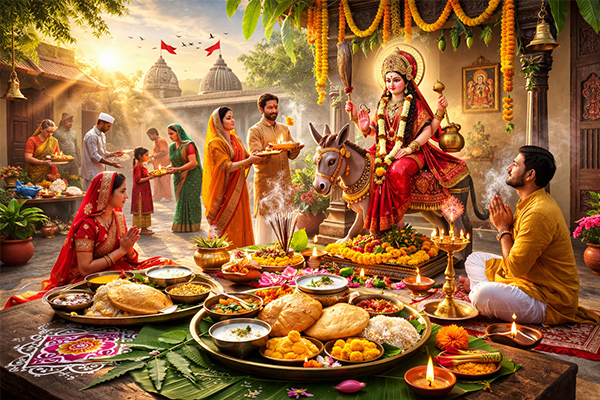
Rise early in the morning and take bath while chanting this mantra:
'Ganga Cha Yamuna Chaiva Godavari Saraswati, Narmada Sindhu Kaveri Jalesmin Sannidhim Kuru'
Meaning: 'In this water, I invoke the presence of divine waters from the rivers Ganga, Yamuna, Godavari, Saraswati, Narmada, Sindhu, and Kaveri.”
After your bath, visit a Sheetala Devi temple.
Sheetala Ashtami Puja Vidhi (Puja Procedure)
_210855.jpg)
Sheetala Ashtami Puja is a sacred ritual dedicated to Goddess Sheetala, who is revered as the protector from diseases and epidemics. Observed with deep faith, this puja emphasizes cleanliness, devotion, and discipline.
Devotees follow a traditional set of rituals, seeking the goddess’s blessings for good health, immunity, and peace. Below is a step-by-step guide to performing the puja with sincerity and devotion.
Puja Procedure
- Early Morning Rituals: Wake up before sunrise, take a holy bath, and wear clean clothes. Clean the puja area and home, as the goddess is associated with purity and hygiene.
- Setting Up the Puja Altar: Place an idol or image of Goddess Sheetala on a clean altar. Decorate with flowers, turmeric, and neem leaves, as neem is considered sacred and has medicinal properties.
- Offering Pre-Cooked Food (Basoda): No fresh food is cooked on this day. Devotees prepare food a day in advance and offer it to the goddess before consuming it as prasad. This includes roti, rice, curd, and sweets.
- Applying Haldi and Kumkum: Offer haldi (turmeric) and kumkum to the goddess, symbolizing purity and devotion. Light a diya (oil lamp) and incense sticks as part of the ritual.
- Chanting Mantras and Reciting Sheetala Ashtakam: Recite Sheetala Ashtakam and other hymns dedicated to the goddess. Chanting these prayers is believed to invoke divine protection and spiritual strength.
- Sprinkling Holy Water: Use water mixed with neem leaves to sprinkle around the home and puja space, symbolizing purification and protection from diseases.
- Performing Aarti: Perform aarti with camphor and a lit diya, singing devotional songs in praise of the goddess. This signifies devotional surrender and seeking divine grace.
- Offering Prayers for Family’s Well-being: Pray for the health, happiness, and prosperity of family members. Devotees also seek blessings for protection from diseases and negative influences.
- Engaging in Charity and Helping the Needy: End the puja by distributing food, clothes, and donations to the underprivileged. Charity is considered a key aspect of the observance, multiplying divine blessings and good karma.
Observing Sheetala Ashtami Puja with sincerity and devotion brings peace, good health, and divine protection. The rituals emphasize cleanliness, gratitude, and mindful living, making this festival a spiritual and practical guide to well-being.
Sheetala Ashtami Puja Mantra
Sheetala Ashtakam
The Sheetala Ashtakam is a sacred hymn dedicated to Sheetala Devi, praising her divine attributes and seeking her blessings for protection from diseases and misfortunes. Reciting this hymn on Sheetala Ashtami is believed to bring health, peace, and spiritual well-being.
Meaning in English:
O Goddess Sheetala, who is forever cool and the mother of the universe, I bow to you. You bestow yoga (spiritual union) and kshema (worldly well-being) upon your devotees.
You are the destroyer of demons, remover of sins, and embodiment of purity. O divine form of Sheetala, I offer my salutations to you.
One who remembers and worships you with devotion is protected from severe diseases and misfortunes.
I bow to Goddess Sheetala, who wears yellow garments, is adorned with various ornaments, and blesses her devotees with happiness and prosperity.
You are the eliminator of ailments like leprosy and fevers, and the remover of sins. O Mother Sheetala, I always worship you as the one who brings peace and coolness to all.
O pure and divine mother, worshipped by sinless devotees, I bow to you daily as the Mother of the Universe.
I offer salutations to Goddess Sheetala, who rides a donkey, is adorned with various divine ornaments, and is clothed in the directions (digambara) as a symbol of detachment.
O divine mother, please bestow coolness and relief upon us, removing the burning afflictions of worldly life. I bow to you, the great cosmic goddess who grants liberation and peace.
Benefits of Reciting Sheetala Ashtakam
- Protects from diseases such as smallpox, fevers, and infections.
- Brings peace, good health, and prosperity to the family.
- Purifies the home and surroundings, ensuring a harmonious and disease-free environment.
- Grants divine blessings of Sheetala Devi, ensuring spiritual and physical well-being.
Sheetala Ashtami Vrat Vidhi (Fasting Procedure)
_210853.jpg)
To observe the Sheetala Ashtami Vrat, begin by waking up early and taking a holy bath to cleanse yourself. Clean the puja area and create a small altar featuring a picture or idol of Goddess Sheetala. The most important aspect of this vrat is not to prepare fresh food on the day of the puja. Instead, prepare meals a day in advance and present them to the goddess.
Many people choose to fast completely, without eating or drinking, whereas others may eat once after performing the puja. The vrat is performed with devotion and sincerity, with the goal of seeking the goddess' protection from disease and blessings for the entire family.
During the puja, offer the goddess pre-cooked food (basoda), neem leaves, turmeric, and holy water. To honor the goddess, recite the Sheetala Ashtakam and perform aarti using an oil lamp.
After the prayers, give the prasad (offered food) to family members and the needy. The day should also be spent reflecting, with a focus on cleanliness, discipline, and devotion. By observing the vrat religiously, you invite health, protection, and divine blessings into your life.
By following this sacred observance with sincerity, devotees not only honor Goddess Sheetala but also embrace a way of life that promotes purity, discipline, and holistic well-being.
Sheetala Ashtami Vrat Katha (Traditional Fasting Story)
_210854.jpg)
In a small village, there lived a devoted woman who was an ardent follower of Goddess Sheetala. Every year, she observed the Sheetala Ashtami Vrat with full faith, following all the prescribed rituals, including not cooking fresh food on this day and offering pre-cooked food (Basoda) to the goddess. Her family was always healthy, and they experienced prosperity and peace. One year, her young children, unaware of the significance, insisted on preparing fresh food on the day of the vrat, despite the mother’s warnings. Ignoring her advice, they cooked fresh meals, and that very night, a severe epidemic of smallpox spread across the village.
The woman, distressed by the outbreak, prayed fervently to Goddess Sheetala, seeking her mercy and guidance. In her dream that night, Sheetala Devi appeared and told her that the observance of the vrat had been neglected, which led to the affliction. The goddess instructed her to observe the vrat with even greater devotion, perform the puja properly, and distribute prasad to the villagers. The woman followed the goddess's instructions, and as she performed the puja, offered pre-cooked food, and sprinkled neem-infused water, the epidemic began to subside, and the villagers were healed. Grateful for the goddess’s intervention, the villagers vowed to observe Sheetala Ashtami Vrat every year with sincerity.
Since then, this story has been shared by devotees as a reminder of the power of faith, devotion, and the importance of following spiritual practices with respect. It also teaches the significance of discipline and cleanliness in the observance of Sheetala Ashtami, as the rituals are believed to bring divine protection from diseases and bring health, peace, and prosperity to the family.
Puja Utensils, Essentials
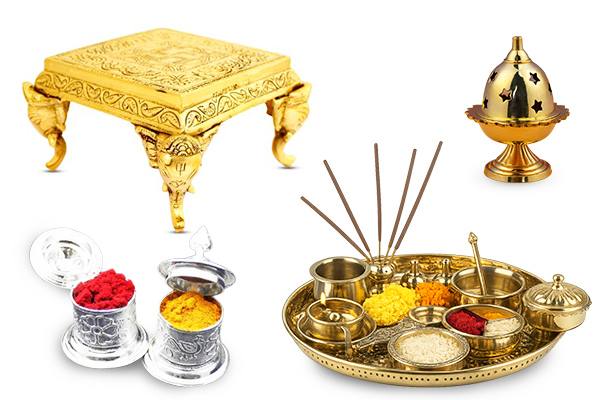
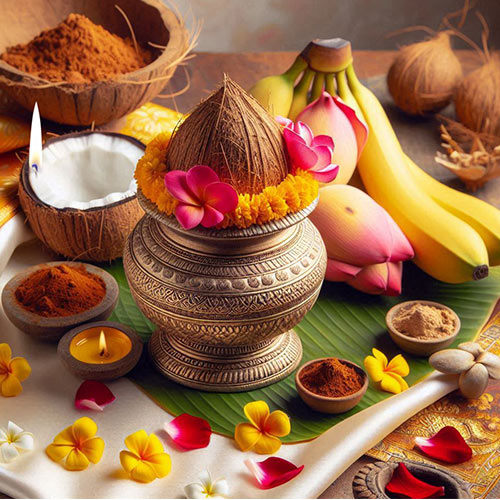
Rudra Centre brings an extensive collection of Puja Articles which caters to all that is required for daily and special Puja Vidhis. We offer variants of designs and sizes in each category. The list includes handcrafted Puja Mandirs, Puja Pedestals, offering Bowls, Panchpatra, intricately carved Puja Thalis, Abhishek Vessels, in different materials, Pure Silver/German Silver articles like Kalash, set of Shodash Upachara and Several other Puja Articles, which we deliver at your doorstep.
Visit the complete collection
:
Popular And Effective Durga Idols
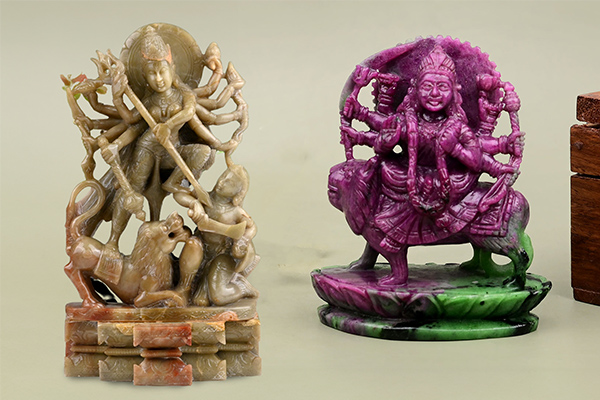
Sheetala Mata is an incarnation of Goddess Durga, there is a wide variety of Maa Durga and Maha Kali idols made with 100% natural gemstones. The idols are beautifully crafted and the intricate carving is evident of the excellent craftsmanship involved which makes every piece exclusive. The Durga idol can be placed in your home, office, or shop to seek protection from Goddess Durga. It is also ideal to place it in your puja altar and worship daily.
Maa Durga Pendants
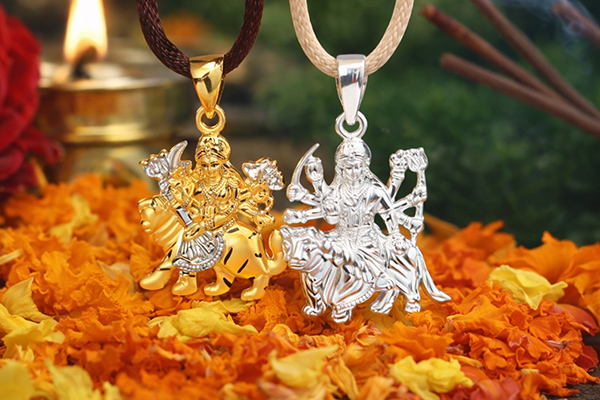
A range of Maa Durga pendants in silver and gold that is appropriate for wearing every day. Sheetala Mata is an incarnation of Maa Durga and wearing a Durga locket will bring courage to the wearer. The pendants are made with the purest metals and every design is beautiful. The pendants are suitable to be worn by both men and women and can be even gifted to your loved ones. It makes for a perfect accessory to gain power and prosperity with the blessings of the Goddess.
Conclusion
In conclusion, Sheetala Ashtami is a festival that blends spiritual devotion with practical wisdom, emphasizing the importance of purity, cleanliness, and discipline in daily life. It is a day dedicated to Goddess Sheetala, the divine protector against diseases and epidemics, and serves as a reminder of the strong connection between health, spirituality, and devotion. By observing the fasting rituals, offering pre-cooked food (Basoda), and engaging in acts of charity, devotees seek the goddess’s blessings for protection, good health, and prosperity. The festival teaches that faith, self-control, and compassion are essential in overcoming life's challenges, and it inspires a lifestyle rooted in spiritual discipline and mindful living.
Moreover, Sheetala Ashtami underscores the significance of community well-being and purification, as acts of kindness and sharing with others amplify the goddess’s blessings. The rituals, hymns, and prayers recited during the day reinforce the belief that true health and happiness are achieved through a balance of spiritual devotion and physical care. By following the teachings of Sheetala Ashtami, devotees not only honor the goddess but also embrace a life of harmony, gratitude, and protection against ailments, ensuring a peaceful and prosperous future for themselves and their loved ones.
-in-Astrology.jpg)



.jpg)




Comments 0
Leave your thought here