


Goddess Brahmacharini is one of the nine forms of Goddess Durga, worshipped on the second day of Navratri. She is the embodiment of devotion, asceticism, and self-control, representing the discipline required to achieve spiritual growth. As the form of Goddess Parvati who performed severe penance to win the love of Lord Shiva, Brahmacharini Maa stands as a symbol of dedication, willpower, and the power of single-minded focus. In this article, we will explore the significance, spiritual symbolism, and worship practices associated with Goddess Brahmacharini, and understand the profound impact her blessings have on her devotees.
Who is Goddess Brahmacharini?
Goddess Brahmacharini is one of the most revered forms of Goddess Durga, representing penance, devotion, and unwavering discipline. As the second form of Goddess Durga, she is worshipped on the second day of the Navratri festival, a day dedicated to fostering inner strength and spiritual purity. Brahmacharini is regarded as the Goddess who undertook extreme penance to win the love of Lord Shiva, embodying patience, devotion, and the transformative power of self-discipline.
Her form symbolizes purity, devotion, and the power to overcome obstacles through focused intention and self-control. She stands as an ideal of perseverance and commitment, guiding devotees towards spiritual success and enlightenment.
Identity and Role in the Hindu Pantheon
Goddess Brahmacharini plays an essential role in the Hindu pantheon, especially in the context of Goddess Durga’s manifestations. She is considered the goddess of devotion, penance, and austerity, and her role is pivotal in illustrating the importance of single-minded focus on spiritual goals. In Hindu mythology, she is revered as a form of Adi Parashakti and represents the transformative power of self-discipline and spiritual devotion.
Goddess Brahmacharini’s identity is primarily tied to her association with Lord Shiva, as she undertook severe penance to earn his favour, which later culminated in their divine union. As the Goddess of Penance, her role serves as a reminder of the significance of spiritual practice and austerity in the path of self-realization.
Associated Elements (Vehicle/Vahana, Weapon, Symbols)
Goddess Brahmacharini is depicted holding a Kamandalu (water pot) and a Japa Mala (rosary), symbols of her ascetic nature and her commitment to devotion. Her Kamandalu signifies the essence of purity and self-restraint, while the Japa Mala represents the focus and repetition of sacred prayers or mantras to maintain spiritual concentration.
Goddess Brahmacharini does not carry any weapon like her other forms. Instead, she holds the tools of asceticism, emphasizing the power of spiritual practices over external force. Her vehicle (vahana) is typically shown as a Tigress, symbolizing inner strength and courage.
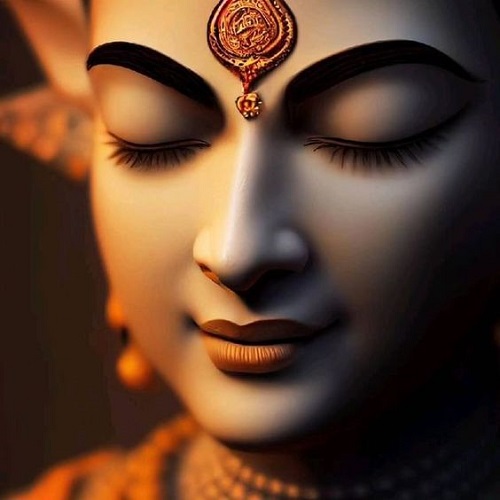
Her overall portrayal in white clothing reflects her purity, serenity, and calmness. The orange border on her saree signifies energy and devotion, while her serene expression embodies the peace attained through discipline and devotion to the divine.
In summary, Goddess Brahmacharini is a symbol of penance, austerity, and the power of focused devotion. She teaches us the importance of patience, self-discipline, and devotion in achieving spiritual fulfilment and success.
Significance of Goddess Brahmacharini
Goddess Brahmacharini holds immense philosophical and spiritual significance, especially in the context of discipline, devotion, and the transformative power of penance. She represents the process of purifying the self through spiritual austerities and unwavering focus, allowing devotees to gain clarity and insight into their true nature. The act of performing penance, as exemplified by Goddess Brahmacharini, is seen as a means of achieving inner peace, self-realization, and the ultimate connection with the divine. Her worship inspires devotees to overcome their limitations and become disciplined in their spiritual practices, ultimately leading them toward liberation.
Philosophical and Spiritual Significance:
Goddess Brahmacharini symbolizes the essence of purity, patience, and self-control. Her deep spiritual significance teaches devotees that true devotion and spiritual progress come from discipline and ascetic practices.
- She represents the concept of self-restraint and discipline in Hinduism. The penance she undertakes in her quest to unite with Lord Shiva highlights the importance of focused, singular devotion in spiritual life.
- Her form is seen as a beacon for personal transformation, urging individuals to turn inward, develop mindfulness, and embrace practices that lead to spiritual awakening.
Importance in Specific Regions or Sects:
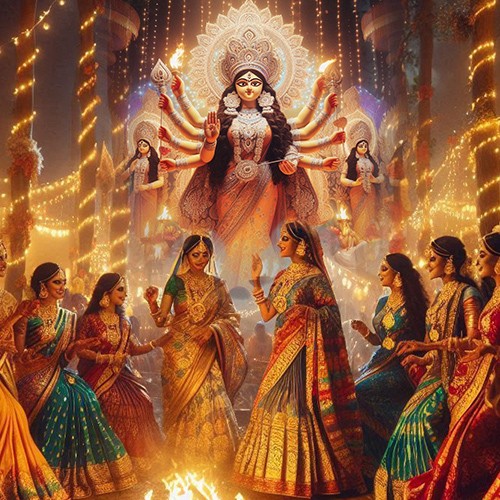
Navratri Celebrations: Goddess Brahmacharini is of immense significance during the Navratri festival, particularly on the second day. The festival celebrates her devotion to Lord Shiva and underscores the values of penance, focus, and devotion. Devotees invoke Goddess Brahmacharini to remove obstacles and strengthen their resolve on the path of spiritual growth.
In Maharashtra and Gujarat: Goddess Brahmacharini is celebrated with reverence in specific temples dedicated to Goddess Durga. Her influence is particularly felt in Maharashtra, where the form of Brahmacharini holds an important place in the spiritual traditions followed during Navratri.
In Tamil Nadu and Andhra Pradesh: Devotees in southern regions hold fasts and worship Goddess Brahmacharini for her divine blessings in overcoming hurdles in life, particularly for those seeking mental peace, wisdom, and clarity.
Festivals Dedicated to the Deity:
Navratri: The most significant festival dedicated to Goddess Brahmacharini is Navratri, a nine-day celebration marking the various manifestations of Goddess Durga. On the second day of Navratri, she is worshipped as Brahmacharini. Her devotees observe fasting and perform rituals to invoke her blessings for strength and spiritual development.
Brahmacharini Jayanti: In some regions, a special day is dedicated to Goddess Brahmacharini, called Brahmacharini Jayanti. It is considered an auspicious occasion to worship her, especially for those seeking mental and emotional strength.
Brahmacharini Puja: This puja is performed by devotees during Navratri, where they offer prayers to Brahmacharini Maa, seeking blessings for overcoming life’s challenges and for a disciplined, focused, and peaceful life.
In conclusion, Goddess Brahmacharini’s significance lies in her ability to inspire self-discipline, devotion, and spiritual focus in her followers. She is revered not only for her role in the cosmic balance but also as a model of perseverance and devotion in overcoming obstacles.
Iconography & Symbolism of Goddess Brahmacharini
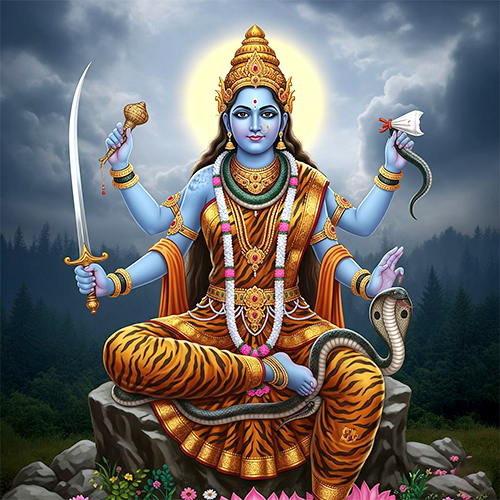
Goddess Brahmacharini is depicted in a serene and graceful manner, embodying purity, penance, and devotion. Her iconography plays a vital role in conveying her spiritual significance, showing her as an embodiment of inner strength and ascetic discipline.
Physical Appearance and Symbolic Elements:
Serene and Divine Appearance: Goddess Brahmacharini is usually depicted wearing a white saree, symbolizing purity and peace. White also represents her spiritual practices and penance, signifying that she is untouched by worldly desires and distractions.
- Kamandal (Water Pot): In her left hand, she holds a Kamandal, a sacred water pot, symbolizing the life-sustaining qualities of nature and the importance of spiritual nourishment.
- Japa Mala (Rosary): In her right hand, she holds a Japa Mala, symbolizing devotion and meditation. The mala represents the continuous chanting of mantras, helping devotees remain focused in their spiritual journey.
- Calm and Focused Expression: Goddess Brahmacharini’s face reflects deep concentration, embodying the ideals of meditation, austerity, and devotion. Her expression is one of determination and peace, representing unwavering commitment to spiritual goals.
Art, Sculptures, and Temple Depictions:
In Temples: Goddess Brahmacharini is often depicted in temple art and sculptures in a seated position, meditating, with her two hands holding the Kamandal and Japa Mala. This portrayal symbolizes her ascetic practices and spiritual dedication.
Traditional Iconography: In traditional Hindu art, especially in temples and murals during Navratri, Goddess Brahmacharini is shown with a calm demeanour, indicating her role as the embodiment of inner peace and patience. These depictions inspire devotees to seek inner calm through devotion and austerity.
In Paintings: In many South Indian temples, she is painted with a radiant aura around her, signifying the divine light that emanates from her self-discipline and purity. The simplicity and elegance of these depictions speak to her role as a model of spiritual purity and focus.
Color Symbolism:
White Colour: The colour white is associated with purity and peace, representing the divine essence of Goddess Brahmacharini. White symbolizes the ascetic lifestyle she led in her penance and dedication to Lord Shiva, as well as her connection to the higher realms of spiritual consciousness.
Orange Border: The orange border of her attire signifies vibrancy, vitality, and the power of transformation. This colour represents her role as a powerful and transformative force who helps her devotees overcome spiritual and material obstacles through focused devotion.
Posture and Mudras:
Posture of Meditation: Goddess Brahmacharini is generally depicted seated in a meditative posture, symbolizing deep concentration and devotion. Her stillness and focus during penance represent the power of meditation in attaining spiritual wisdom and liberation.
Abhaya Mudra: Her right hand is often depicted in the Abhaya Mudra, the gesture of fearlessness, which reassures devotees that by following the path of righteousness, they will remain safe from all harm and danger.
Dhyana Mudra: Goddess Brahmacharini’s left hand often forms the Dhyana Mudra, the gesture of meditation, signifying her deep spiritual practices and the wisdom she gained through asceticism and penance.
In summary, Goddess Brahmacharini’s iconography and symbolism emphasize purity, devotion, self-discipline, and focus. Through her serene appearance, her symbolism of life-giving and spiritual discipline, and her calm yet powerful posture, she embodies the virtues that inspire devotees to engage in spiritual practices that lead to enlightenment and liberation.
Birth or Origin of Goddess Brahmacharini
Goddess Brahmacharini, the second form of Goddess Durga, is believed to have been born out of intense devotion and penance. Her birth and origin are deeply connected to her austerities and her role as the embodiment of spiritual discipline.
Mythological Origins: According to Hindu mythology, Goddess Brahmacharini was born as the daughter of King Himavat (the personification of the Himalayas) and Queen Mena. In this form, she is the embodiment of penance and devotion, marking the transition from her previous form, Shailputri, who began her divine journey towards Lord Shiva. Her name 'Brahmacharini' signifies her life of strict penance or “Brahmacharya” (celibacy) and intense devotion to Lord Shiva, with whom she would later unite.
Role in the Ramayana: Another crucial point in her origin comes from the Ramayana, where it is believed that Goddess Brahmacharini’s form was instrumental in Lord Shiva accepting her as his consort after her long period of penance. She demonstrated immense willpower and perseverance in her tapasya, which earned her Lord Shiva’s favour, making her an example of dedication for devotees.
The Vedic Connection: The concept of Goddess Brahmacharini is also tied to the Vedic tradition of tapasya (austerities). As a deity, she embodies the essence of Vedic meditation and ascetic practices, guiding those who seek spiritual growth through self-discipline. Her origin story can be seen as a symbolic representation of the power of tapasya in overcoming obstacles and achieving ultimate spiritual union.
Connection to Cosmic Events: Goddess Brahmacharini's origin connects to the cosmic events that mark the creation of the universe. Her ascetic practices align with the eternal cycles of creation and destruction in Hindu cosmology. Her penance represents the forces of creation and balance in the cosmos, where creation is sustained through sacrifice, devotion, and self-discipline.
Thus, Goddess Brahmacharini’s birth is not just a personal journey of devotion but also one deeply intertwined with the cosmic processes of creation, transformation, and restoration of balance in the universe.
Legends and Stories of Goddess Brahmacharini
Goddess Brahmacharini is widely revered for her immense devotion and penance, and there are several mythological tales that highlight her commitment, strength, and spiritual transformation. These stories, found in ancient texts and scriptures, emphasize the importance of discipline, self-control, and devotion in attaining spiritual goals. Let’s explore some of these popular legends:
1. The Legend of Her Penance and Union with Lord Shiva
The most significant tale of Goddess Brahmacharini is her intense penance to win Lord Shiva’s heart. After being born as the daughter of King Himavat and Queen Mena, she chose a path of austerity to seek Lord Shiva as her husband. She embarked on severe penance, enduring extreme conditions like scorching sun, heavy rain, and biting cold.
According to the story, she first survived on fruits and roots, and later on, only bilva leaves. Her self-discipline and unwavering devotion caught the attention of Lord Shiva, who, disguised as an ascetic, tried to dissuade her from her austerities. However, Goddess Brahmacharini remained resolute in her vows, and ultimately, Lord Shiva, impressed by her dedication, accepted her as his consort. This story is a powerful symbol of patience, perseverance, and the rewards of steadfast devotion.
2. Goddess Brahmacharini’s Role in the Cosmic Order
In various Puranic texts, Goddess Brahmacharini represents the cosmic principle of tapasya (spiritual discipline) and sacrifice. Her penance is not just a personal pursuit of spiritual growth but a larger cosmic force that sustains the balance between creation and destruction. She symbolizes the principle that through dedicated efforts, spiritual aspirations can be realized.
Her association with the planet Mars (Mangala) in Vedic astrology further strengthens her role as a symbol of inner strength, courage, and the ability to overcome obstacles. The story of her penance conveys that the material world is often bound by desires and distractions, but the path to spiritual liberation is paved with discipline, focus, and dedication.
3. Her Connection to the Ramayana
In the Ramayana, Goddess Brahmacharini’s role is closely linked to Lord Shiva’s relationship with Goddess Parvati. In this epic, she is part of the divine lineage that enables Lord Shiva and Goddess Parvati to be united. Her image as the steadfast devotee who performs intense penance to earn Lord Shiva’s favour reflects the power of self-discipline and determination in the pursuit of righteousness.
Through her unwavering devotion and penance, Brahmacharini not only symbolized the ideal path of devotion but also played a key role in ensuring the harmonious balance between cosmic forces. Her story emphasizes the importance of devotion, purity, and sacrifice in one’s spiritual journey.
Moral and Spiritual Lessons
From these legends, several profound moral and spiritual lessons can be drawn:
- Patience and Perseverance: The story of Goddess Brahmacharini teaches us the power of patience and the importance of perseverance in spiritual endeavours. It highlights that the path to divine blessings requires resilience and unwavering focus.
- Discipline and Sacrifice: Her austerities embody the values of discipline, sacrifice, and renunciation of worldly pleasures for a higher spiritual purpose.
- The Power of Devotion: Goddess Brahmacharini's devotion to Lord Shiva teaches us that true spiritual growth is rooted in devotion and surrender to the divine will, with love and humility.
- Self-Control and Inner Strength: Her ascetic practices symbolize the control over one’s senses, desires, and actions, which is essential for overcoming life's challenges and attaining self-realization.
In essence, the legends surrounding Goddess Brahmacharini serve as a guide for spiritual aspirants, teaching them the virtues of discipline, devotion, and sacrifice while demonstrating the profound impact of penance in achieving divine union.
Mantras Dedicated to Goddess Brahmacharini
Goddess Brahmacharini, revered for her extreme penance and devotion, has specific mantras that are recited by devotees seeking her blessings for strength, perseverance, and spiritual growth. These mantras carry immense spiritual energy, invoking the goddess's divine qualities of focus, determination, and inner power.
1. Brahmacharini Beej Mantra
Mantra:
Om Braam Breem Broom Brahmcharinyai Namah
Meaning:
This mantra is dedicated to Goddess Brahmacharini, invoking her to bless the devotee with purity, devotion, and divine grace. It calls upon the goddess to remove obstacles and bring strength and focus in one's spiritual practices.
Benefits:
- Helps in cultivating self-discipline and focus.
- Removes distractions from the mind, aiding in spiritual progress.
- Provides strength to persevere through challenges.
- Invokes inner peace and tranquility.
2. Brahmacharini Maa Mantra
Mantra:
Dadhana Karpadma Abhyamaksh Mala Kamandalu | Devi Prasidatu Mayi Brahmacharinya Nuttama ||
Meaning:
This mantra praises Goddess Brahmacharini’s attributes of austerity, strength, and devotion. The words invoke the Goddess to shower her blessings of wisdom and purity upon the devotee, helping them stay dedicated on their spiritual path.
Benefits:
- Increases wisdom and knowledge.
- Strengthens the ability to stay dedicated to one's spiritual practices.
- Brings calm and patience during difficult times.
- Helps in overcoming spiritual and mental obstacles.
3. Brahmacharini Gayatri Mantra
Mantra:
Om Chathur Mukha Vidmahe Hamasaroodaya Dheemahi
Thanno Brahma Prachodayat
Meaning:
This Gayatri mantra honours Goddess Brahmacharini and seeks her divine energy to guide the devotee towards spiritual enlightenment. It invokes the goddess’s blessings to impart wisdom and to guide the devotee's mind on the righteous path.
Benefits:
- Enhances concentration and focus.
- Increases mental clarity, making it easier to absorb spiritual teachings.
- Blesses the devotee with spiritual growth and self-realization.
- Provides protection from negativity and harmful influences.
4. Brahmacharini Durga Mantra
Mantra:
Om Durga Brahmacharinyai Vidmahe,
Hamsa-rupaya Dheemahi,
Thanno Brahmacharini Prachodayat
Meaning:
This mantra associates Goddess Brahmacharini with Durga, highlighting her power and strength as a divine mother. It invokes both the nurturing and fierce aspects of the goddess to help the devotee overcome personal and spiritual challenges.
Benefits:
- Fosters resilience and the ability to confront adversities.
- Provides spiritual protection and strength to the devotee.
- Helps to balance one’s emotions and mind in difficult situations.
- Empowers the devotee to overcome fears and insecurities.
How to Please Goddess Brahmacharini
Goddess Brahmacharini represents penance, austerity, and devotion. She blesses her devotees with inner strength, focus, and perseverance. To invoke her blessings and please her, the worship and offerings must be done with the utmost sincerity and dedication. Here are the recommended practices and offerings for her worship.
Recommended Offerings and Worship Practices:
-
Offerings of White Flowers:
Goddess Brahmacharini is associated with purity and serenity, and white flowers like jasmine and lotus are ideal offerings. These flowers symbolize the clarity and purity of thought that the goddess embodies. -
Offerings of Fruits and Sweets:
During prayers, offer fruits like bananas, apples, and pomegranates. Sweets such as Pista Barfi or Kheer are also commonly offered. These symbolize nourishment and the blessings of the goddess for both spiritual and material abundance. -
Rudraksha Mala:
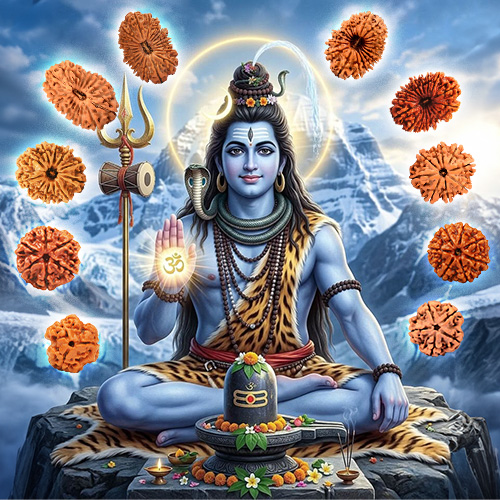
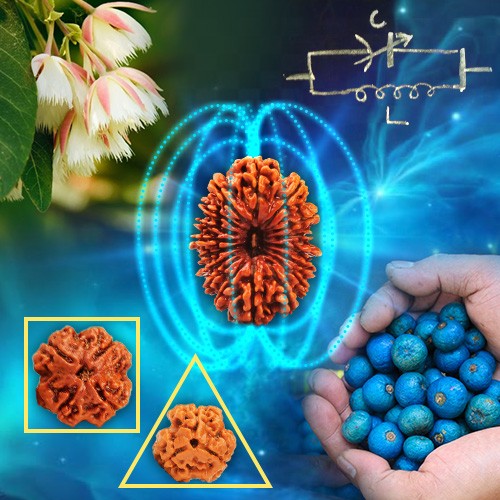
Goddess Brahmacharini is often depicted with a Rudraksha mala, and it is highly auspicious to offer or wear Rudraksha beads while praying. They symbolize the divine energy and purity of the goddess. A Rudraksha mala can also be used to chant her mantras. -
Water and Milk:
Offer water from a sacred river or milk, as both are purifying agents. Water, representing life, and milk, symbolizing nourishment, are considered sacred offerings to the goddess. -
Ghee Lamp:
Light a ghee lamp or a diya while performing the pooja. The flame symbolizes the light of knowledge and wisdom, qualities for which Goddess Brahmacharini is revered. -
Incense and Camphor:
Burn incense sticks and camphor during the pooja. The incense symbolizes the devotion of the devotee and the camphor represents the destruction of ego and desires in the light of the goddess's blessings.
Dos and Don’ts:
Do’s:
-
Perform Penance with Devotion:
Goddess Brahmacharini is the embodiment of penance, so the more sincere and devoted your penance (whether fasting, chanting, or meditating), the more likely you are to receive her blessings. -
Offer Simple and Pure Prayers:
Avoid any complicated rituals or extravagant offerings. Simple, pure, and heartfelt prayers are more aligned with the goddess’s nature. -
Fasting:
Many devotees fast during Navratri, especially on the second day dedicated to Goddess Brahmacharini. Fasting should be done with sincerity, focusing on spiritual purification and devotion rather than on self-sacrifice alone. -
Recite Brahmacharini’s Mantras:
Chanting her mantras regularly, especially during the Navratri festival, is an excellent way to honour Goddess Brahmacharini and invoke her blessings.
Don’ts:
-
Avoid Anger and Negativity:
Refrain from negative emotions such as anger, jealousy, or hatred while performing the pooja or fasting. Maintain a calm and serene state of mind to honour Goddess Brahmacharini. -
Do Not Consume Non-Vegetarian Food or Alcohol:
Since Goddess Brahmacharini is the epitome of purity, it is crucial to avoid impure food and drinks during her worship. Consumption of non-vegetarian food and alcohol is strictly prohibited. -
Avoid Distractions:
Goddess Brahmacharini embodies focus and discipline. During worship, avoid distractions like checking your phone or engaging in unnecessary chatter. Remain focused and present during the rituals.
Best Days and Times for Prayer:
-
Navratri (Especially the 2nd Day):
The best time to worship Goddess Brahmacharini is during the Navratri festival, particularly on the second day, which is dedicated to her. During these nine nights, the goddess's energy is most potent. -
Monday and Friday:
Mondays, which are auspicious for worshipping Lord Shiva (her consort), and Fridays, dedicated to Goddess Lakshmi (the goddess of prosperity), are ideal days for worship. These days align with Brahmacharini's energy and are perfect for invoking her blessings. -
Early Morning (Brahma Muhurta):
The ideal time to offer prayers and mantras is during Brahma Muhurta, which occurs about an hour before sunrise. This time is considered highly auspicious for spiritual practices and brings maximum benefits. -
Special Occasions:
Besides Navratri, Brahmacharini can be worshipped on full moon days, during eclipses, or when fasting for spiritual progress. These are considered times when the cosmic energies are in alignment with the goddess’s blessings.
Puja Vidhi at Home for Goddess Brahmacharini
Performing the puja for Goddess Brahmacharini at home is a beautiful and spiritual way to invite her blessings of strength, focus, and perseverance. The puja should be done with utmost devotion and purity, and it can be conducted on the second day of Navratri or any other day when one seeks her divine grace.
Step-by-Step Home Puja Guide:
- Cleanse the space: Clean the area where the puja will be performed. Ensure that the environment is calm and peaceful.
- Create a Sacred Altar: Place a picture or idol of Goddess Brahmacharini on a clean platform or altar. Surround the idol with flowers, especially white flowers like jasmine and lotus.
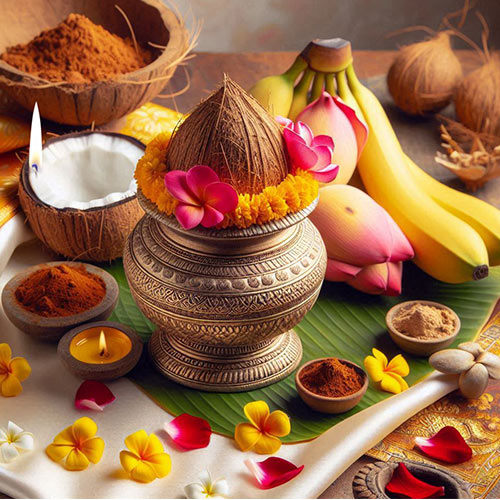
- Arrange a Kalash (Water Pot): For Kalashsthapana, place a water-filled pot with a coconut on top, wrapped in a red cloth. Add mango leaves around the pot's neck.
Material Required:
- Idol or picture of Goddess Brahmacharini
- White flowers (Jasmine or Lotus)
- Kalash (Water pot) with coconut
- Rice (Akshat) mixed with turmeric
- Supari (Betel nut), coins
- Ghee and cotton wick for the lamp (Akhand Jyoti)
- Incense sticks and camphor
- Fruits (Bananas, Apples, Pomegranate)
- Sweets (Pista Barfi, Kheer)
- Rudraksha mala (optional, for chanting)
- Offerings for the Goddess (paan, betel leaves, and coconut)
Rituals:
- Kalash Sthapana: As mentioned earlier, place the Kalash with mango leaves and coconut. This symbolizes prosperity and the Goddess’s presence.
- Offer Flowers and Fruits: Offer white flowers and fruits like bananas, apples, or pomegranates. Place them in front of the Goddess as a mark of reverence and gratitude.
- Lighting the Lamp: Light a ghee lamp (Akhand Jyoti) and incense sticks to purify the surroundings and invoke divine energy.
- Offer Prayers: Pray to Goddess Brahmacharini with the utmost sincerity and devotion. Recite her Beej Mantra and other sacred mantras (as mentioned earlier) to invoke her blessings.
- Offer Sweets: Present sweets like Pista Barfi or Kheer as a symbol of gratitude for the Goddess’s blessings.
- Chanting and Mantras: Chant the Brahmacharini Beej Mantra ('Om Braam Breem Broom Brahmcharinyai Namah') and other mantras for peace and prosperity.
Aarti and Closing:
- Aarti: Perform the aarti of Goddess Brahmacharini by waving a lit camphor or diya in a circular motion in front of her idol. Chant 'Jai Mata Brahmacharini' during the aarti.
- Naivedyam: Offer the Naivedyam (food offerings) to the Goddess and then distribute the prasad to the family members.
- Thanksgiving: Close the puja by thanking the Goddess for her divine blessings, and pray for the strength and perseverance to overcome life's challenges.
Benefits of Worshiping Goddess Brahmacharini
Worshiping Goddess Brahmacharini brings profound spiritual, mental, and material advantages. Her blessings are essential for those seeking strength, discipline, and unwavering devotion.
Spiritual Benefits:
- Self-Realization and Purification: Goddess Brahmacharini's worship purifies the mind, body, and soul. It strengthens one's connection with the higher self, guiding devotees toward self-realization.
- Enhances Devotion: By worshiping her, the devotee learns the true meaning of devotion and dedication. Goddess Brahmacharini helps one develop single-mindedness and absolute devotion to a divine goal.
- Encourages Spiritual Discipline: Goddess Brahmacharini embodies penance (tapasya). Her blessings help devotees practice patience, control, and detachment, aiding in the cultivation of spiritual discipline and inner peace.
- Grants Liberation from Ego: Worship of Brahmacharini helps eliminate the ego and desires that bind the soul to materialism, leading the devotee towards a higher spiritual state and ultimate liberation (moksha).
- Increases Patience and Persistence: The goddess blesses her devotees with patience and perseverance, essential for progressing on the spiritual path. Her presence helps devotees endure hardships with dignity and grace.
Mental Benefits:
- Focus and Clarity of Thought: Regular worship of Brahmacharini enhances mental focus, allowing devotees to concentrate deeply on their goals, both spiritual and worldly.
- Calmness and Inner Peace: The worshipping of Goddess Brahmacharini promotes tranquillity and helps reduce anxiety and mental restlessness, leading to a serene and balanced state of mind.
- Increased Confidence and Willpower: Goddess Brahmacharini infuses her devotees with confidence and the inner strength to overcome any obstacles in their path, empowering them to make decisions with clarity and conviction.
Material Benefits:
- Victory Over Challenges: Devotees of Brahmacharini are blessed with the strength to face and overcome life's challenges, including financial struggles and personal conflicts, with perseverance and courage.
- Success in Endeavours: Goddess Brahmacharini grants success in endeavours requiring focus, hard work, and discipline, such as education, career growth, and business ventures.
- Brings Prosperity and Abundance: Worship of Brahmacharini helps in manifesting abundance in life, particularly in areas related to wealth, health, and overall well-being.
- Protection from Adversity: Goddess Brahmacharini's blessings offer protection against negative energies, ensuring that devotees are shielded from physical, mental, or spiritual harm.
By worshipping Goddess Brahmacharini, one gains the tools necessary for personal transformation, spiritual progress, and success in all aspects of life. Her blessings are profound and transformative, helping devotees live with purpose and strength.
Temples Dedicated to Goddess Brahmacharini
Goddess Brahmacharini is widely revered during the Navratri festival, particularly on the second day when her divine form is worshipped. While she does not have as many temples as other forms of Goddess Durga, there are significant shrines dedicated to her, especially during the festival. Below are a few temples and locations where Goddess Brahmacharini is venerated:
1. Brahmacharini Mandir, Varanasi
Located in the holy city of Varanasi, this temple is dedicated to Goddess Brahmacharini. The temple sees a surge in devotees during Navratri, particularly on the second day. Devotees believe that worshipping Goddess Brahmacharini here brings strength, purity, and discipline in their spiritual practices.
2. Tulja Bhavani Temple, Maharashtra
Though primarily dedicated to Goddess Bhavani, the temple also venerates Goddess Brahmacharini during the Navratri festival. Situated in Tuljapur, this temple is renowned for its connection to Chhatrapati Shivaji Maharaj, who is said to have been a devoted follower of the Goddess. The Brahmacharini form is worshipped by offering prayers for strength and perseverance in life.
3. Kanchipuram, Tamil Nadu
Kanchipuram, a famous temple town in Tamil Nadu, also houses a shrine for Goddess Brahmacharini, where she is worshipped with devotion during special occasions like Navratri. The temple’s ambiance during these times is vibrant, with special prayers offered for spiritual strength and purity.
4. Vaishno Devi Temple, Jammu
While Vaishno Devi is primarily known for being the temple of Goddess Vaishno Devi, Goddess Brahmacharini’s form is venerated as part of the goddess trio during the Navratri celebrations. The temple is a major pilgrimage site for Hindus, with worshippers seeking blessings for strength and determination in their spiritual journey.
5. Local Temples and Shrines
In various parts of India, especially in the northern and southern regions, smaller temples and shrines dedicated to Goddess Brahmacharini can be found. These temples become centres of spiritual activity during Navratri, with devotees offering their prayers and seeking blessings for health, wisdom, and discipline.
While there are not as many temples exclusively dedicated to Goddess Brahmacharini, her presence is deeply revered, especially in the context of Navratri. The temples mentioned above highlight her importance and the ongoing spiritual practices that seek her blessings. The worship of Goddess Brahmacharini in these temples ensures a connection to her energy of devotion, austerity, and inner strength.
Presence of Goddess Brahmacharini in Other Traditions
Goddess Brahmacharini’s influence transcends Hinduism, leaving a mark on Buddhism, Jainism, and Southeast Asian spiritual traditions through her symbolism of devotion, self-discipline, and spiritual transformation.
1. Influence in Buddhism
In Buddhism, particularly within Vajrayana, the ideals of tapasya (asceticism) and self-discipline closely align with Brahmacharini's essence. While not directly worshipped, her attributes resonate in the practices of meditation, renunciation, and spiritual devotion seen in Buddhist monastic life.
2. Influence in Jainism
Jainism’s focus on austerity, non-violence (ahimsa), and self-discipline mirrors the qualities of Goddess Brahmacharini. Jains revere ascetics who practice self-restraint, fasting, and silence, reflecting the same energy that Brahmacharini embodies through her penance and devotion.
3. Influence in Southeast Asia
In Southeast Asia, particularly Indonesia and Cambodia, the influence of Hinduism and Buddhism intertwines with local spiritual practices. Goddess Brahmacharini’s symbolism of asceticism and spiritual dedication is reflected in the devotion and rituals of these cultures, even if she isn’t worshipped by name.
Products and Services from Rudra Centre for Goddess Brahmacharini
At Rudra Centre, we offer a range of spiritual products and services to help devotees connect with the divine energy of Goddess Brahmacharini. These offerings assist in enhancing spiritual practices, empowering devotion, and invoking blessings for strength, wisdom, and purity.
Brahmacharini Puja
Our Brahmacharini Puja service is a sacred ritual that invites the divine blessings of Goddess Brahmacharini. This puja, performed by experienced priests, helps devotees invoke her grace for strength, self-discipline, and spiritual enlightenment.
Click on the link to buy Brahmacharini Puja
https://www.rudraksha-ratna.com/buy/brahmacharini-puja
Navchandi Siddh Paath and Yajna
The Navchandi Siddh Paath and Yajna is an essential spiritual service designed to invoke the power of Goddess Durga and her manifestations, including Goddess Brahmacharini. This powerful ritual helps overcome obstacles, enhance mental clarity, and purify one’s life with divine protection.
Click on the link to buy Navchandi Siddh Paath & Yagna
https://www.rudraksha-ratna.com/buy/navchandi-siddh-paath-and-yajna---i
Ghatsthapana at Durga Mata Temple with Akhand Jyot
As part of the Ghatsthapana at Durga Mata Temple with Akhand Jyot, the sacred Kalash (pot) is established, and an uninterrupted flame is lit for continuous divine blessings. This ritual, linked to Goddess Brahmacharini, fosters purification, strength, and discipline in the devotee's life.
Click on the link to buy Ghatsthapana at Durga Mata temple with Akhand Jyot
https://www.rudraksha-ratna.com/buy/ghatsthapana-at-durga-mata-temple-with-akhand-jyot
Shree Navdurga Yantra
The Shree Navdurga Yantra in 6-inch gold is a powerful instrument to invoke the blessings of the nine forms of Goddess Durga, including Brahmacharini. This yantra can be placed in homes or temples to enhance spiritual practices, ensuring safety, wisdom, and strength in all aspects of life.
Click on the link to buy Shree Navdurga Yantra
https://www.rudraksha-ratna.com/buy/shree-navdurga-yantra-gold-6-inches
Navdurga Mantra Kavacham (925 Sterling Silver)
The Navdurga Mantra Kavacham is a protective amulet made of 925 sterling silver, inscribed with powerful mantras. Wearing this kavach helps maintain spiritual purity, strength, and protection against negative energies, enhancing one's devotion to Goddess Brahmacharini.
Click on the link to buy Navdurga Mantra Kavacham
https://www.rudraksha-ratna.com/buy/navdurga-mantra-kavacham-925-sterling-silver
These offerings help devotees connect more deeply with Goddess Brahmacharini's divine energy, invoking her blessings for devotion, mental clarity, and spiritual growth.
-in-Astrology.jpg)
.jpg)


Rishi kishore
|March 30, 2025
Chandraghanta Mata ki shlok Dhyan Mantra tatha Aarti de sakte ho mere ko
Rishi kishore mishra
|March 30, 2025
This is the best website in the world