

In Hinduism, Daan (दान)- the sacred act of giving, is regarded as one of the highest virtues. Rooted in the Vedas and upheld in the Bhagavad Gita, daan is not limited to charity; it is a spiritual practice that purifies the heart, balances karma, and nurtures compassion in society. From offering food and clothes to supporting education and temples, daan has been an integral part of Hindu culture for centuries. Even today, this timeless tradition continues to inspire acts of selfless service, making it as relevant in modern life as it was in ancient times.
What is Daan?
In Sanskrit, the word Daan (दान) comes from the root da, meaning “to give.” In Hindu philosophy, it represents the act of offering or donating with purity of heart, without expectation of return. Unlike transactional giving, daan is meant to release attachment to material possessions and cultivate humility.
Hindu tradition distinguishes daan from two related practices:
- Dakshina- an offering given as repayment, usually to teachers, priests, or gurus.
- Bhiksha- alms or sustenance given to ascetics and monks.
- Daan- charity or selfless giving, performed wholeheartedly with sincerity.
The scriptures describe daan as a loan written off, once given, it should neither be remembered nor used for boasting. True daan arises from compassion and dharma, while both the donor and the recipient are expected to act with sincerity: the giver offering without pride or regret, and the receiver accepting with humility.
Scriptural and Spiritual Significance of Daan
The importance of daan is deeply rooted in Hindu scriptures, where it is described as both a duty (dharma) and a purifier of karma. Far beyond material generosity, it symbolizes the surrender of ego and the practice of selfless service.
Rig Veda: Among the earliest references, the Rig Veda praises daan as sacred assistance to the needy. The highest forms of daan are said to be feeding the hungry and imparting knowledge, since both sustain life and uplift the soul.
Manusmriti: This ancient text links specific donations with spiritual blessings. For example, food grants satisfaction, sesame seeds ensure healthy progeny, lamps bring good eyesight, land leads to prosperity, and silver bestows beauty. Each gift is seen as a reflection of cosmic reciprocity.
Bhagavad Gita (Chapter 17, Verse 20–22): Lord Krishna explains the threefold nature of daan- Sattvik (selfless and done at the right time, place, and to a worthy recipient), Rajasik (given with expectation or pride), and Tamasik (given disrespectfully or to the undeserving). Only sattvik daan purifies the heart and pleases the Divine.
Bhavishya Purana: This Purana highlights the transformative power of sacred offerings, declaring that gau daan (donating a cow) grants wealth, land donation yields income, and imparting knowledge ensures enduring prosperity.
Skanda Purana (Kumarika Khand): Sage Narada explains to Arjuna that daan performed with devotion pleases Lord Shiva. It categorizes giving into forms such as Dhana Daan (money), Vastra Daan (clothing), and Vastu Daan (objects). It also defines six motivations behind daan- virtue (Dharma), utility (Artha), desire (Kaama), compulsion (Laaja), joy (Harsha), and fear (Bhaya).
Across these scriptures, daan emerges as a spiritual discipline, one that not only supports the receiver but also uplifts the giver, aligning them with dharma and divine grace.
Rituals and Procedure of Daan
In Hinduism, daan is not just about giving; it is a sacred ritual that must be performed with purity, humility, and the right intention. Scriptures emphasize that both the method and the mindset of giving determine its spiritual merit.
Steps of Performing Daan
Purity of Intention (Bhava Shuddhi):
Daan must be performed selflessly, with compassion and devotion, free from ego, pride, or expectation of return. A gift given with regret or for show (dambha) loses its sanctity.
Choosing the Right Time (Kaala):
Auspicious occasions such as eclipses, festivals, pilgrimages, life milestones, or completion of yajnas are considered ideal for daan. These moments magnify the spiritual effect of giving.
Selecting the Recipient (Patra):
The deserving receiver is crucial. Scriptures advise offering daan to those who live a satvik life, uphold dharma, or are in genuine need. Giving to the undeserving diminishes its merit.
Offerings (Dravya):
Daan can be made in many forms:
Anna Daan-
giving food, considered the highest form of charity.
Vastra Daan-
donation of clothes.
Gau Daan-
gifting of cows, symbolizing wealth and prosperity.
Dhana Daan-
money or wealth.
Vidya Daan-
imparting knowledge.
Vastu Daan-
materials such as ornaments, utensils, or land.
Method of Giving (Vidhi):
-
Present the offering respectfully, with folded hands.
-
Ensure that the recipient feels honoured, not embarrassed.
- Once given, the donor must forget the act and not seek recognition.
Regional Variations
-
In North India, vastra daan (clothes) and anna daan (food) are widely practiced during festivals.
-
In South India, annadanam (community feeding) is common, often at temples.
- In Western India, gau daan and temple donations are prevalent.
Across India, seasonal or festival-specific daans (like offering blankets in winter or food during Navratri) reflect local customs.
Daan, therefore, is not a mere transaction but a sacred yajna (sacrifice)- one that purifies the giver, uplifts the receiver, and pleases the Divine when done with the right spirit.
Emotional, Cultural, and Social Value
Emotional Value:
Daan nurtures gratitude and non-attachment within families. Elders model generosity as
shraddhā
(devotion), while children learn responsibility by participating in small acts of giving. It also offers healing when done in someone’s name, turning charity into a source of comfort and hope.
Cultural Value:
Charity is woven into Hindu life-events and festivals. Families give during
sanskaras
(rites of passage), festivals, and harvests, making generosity a sacred part of tradition. Temples and ashrams extend this by channelling offerings into kitchens, pilgrim aid, and welfare services.
Social Value:
At the community level, daan acts as a safety net- from food drives (annadanam) and clothing donations to medical support. It bridges social divides, fosters trust, and upholds the Gita’s ideal of loka-sangraha-working for the welfare of all.
Scientific and Psychological Perspective
Modern research supports what Hindu sages intuited: giving benefits both body and mind. Acts of charity trigger the brain’s “reward system,” releasing dopamine and oxytocin, which lower stress and increase feelings of joy. Psychologists note that consistent giving builds empathy and resilience, helping people cope better with anxiety or grief. On a physical level, generous people often report lower blood pressure and improved overall well-being. Spiritually, selfless giving reduces ego, aligns the mind with gratitude, and creates inner balance, making daan a practice that nurtures both the giver and the receiver.
How the Tradition is Adapted Today
While ancient daan focused on offerings like cows, food, or land, today’s generations express the same spirit of giving in new ways. Millennials and Gen Z, shaped by global awareness and technology, are expanding the scope of daan into modern humanitarian efforts:
Digital Daan: Online donations to temples, NGOs, crowdfunding for medical treatment, or sponsoring education with just a few clicks.
Eco-Charity: Planting trees, funding clean-water projects, or reducing plastic use giving back not just to people but to Mother Earth.
Skill Sharing: Teaching underprivileged children, mentoring students online, or offering free creative/design skills as a form of vidya daan.
Community Action: Volunteering at animal shelters, food banks, or disaster relief efforts reflects the same selfless spirit as traditional annadanam.
Everyday Kindness: Paying forward meals, donating menstrual hygiene products, or supporting mental health initiatives bring daan into daily modern life.
In essence, while the form of daan has evolved, its core remains unchanged: selfless giving that uplifts others and purifies the heart.
How the Tradition is Adapted Today
Ancient daan rituals have gracefully evolved to meet contemporary sensibilities, especially among millennials and Gen Z- who weave spiritual intentionality with service, compassion, and eco-awareness:
- Digital Daan: From sponsoring education to supporting relief funds via online platforms, giving today goes beyond ritual- it’s compassionate action made accessible and immediate.
- Eco-Charity: Offering tree-planting or water-purification services aligns ancient generosity with environmental stewardship.
- Skill Sharing & Mentorship: Volunteering your expertise- such as language lessons, design, or mental health support- embodies vidya daan, giving knowledge in modern form.
- Everyday Giving: Surprising a delivery person with a meal, collecting unused supplies for donation, or gifting menstrual products, these are small, practical acts of daan embedded in daily life.
Rudra Centre’s Sacred Offerings
Rudra Centre brings these traditions alive through authentic Vedic services, combining intention ( sankalpa ) with ritual purity:
-
Bhumi Daan (Land Donation):
Offers shelter and hope to those without a home, while bringing blessings of prosperity and relief from karmic burdens.
Click here to book Bhumi Daan from Rudra Centre -
Jal Daan (Water Donation):
Delivers clean water to communities or pilgrims, purifying karma and bestowing auspiciousness.
Click here to book Jal Daan from Rudra Centre -
Vastra Daan (Clothes Donation):
Provides new clothes to underserved families, blending compassion with dignity.
Click here to book Vastra Daan from Rudra Centre -
Gau Daan (Cow Donation):
A deeply ritualistic act that symbolizes support for living beings, boosting spiritual merit and blessings.
Click here to book Gau Daan from Rudra Centre -
Vrash Daan (Bull Donation):
Honors agricultural heritage while inviting fertility, strength, and karmic relief.
Click here to book Vrash Daan from Rudra Centre -
Gautran Daan (Ancestors’ Release Ritual):
Helps ancestral souls attain liberation through offerings such as
pitru tarpana
and mantra recitations.
Click here to book Gautran Daan from Rudra Centre
Regional and Cultural Variations
North India
Charity here often takes the form of large community kitchens (bhandaras) during pilgrimages and festivals. At holy places like Prayagraj and Vaishno Devi, pilgrims are served free meals throughout the day, reflecting the region’s strong tradition of feeding travelers and devotees.
South India
Temples in Tamil Nadu, Andhra Pradesh, and Karnataka are renowned for their annadanam schemes- daily free meals for devotees. The Tirumala temple at Tirupati and Udupi Sri Krishna Matha are famous examples, where thousands are fed every day as part of sacred service.
East India
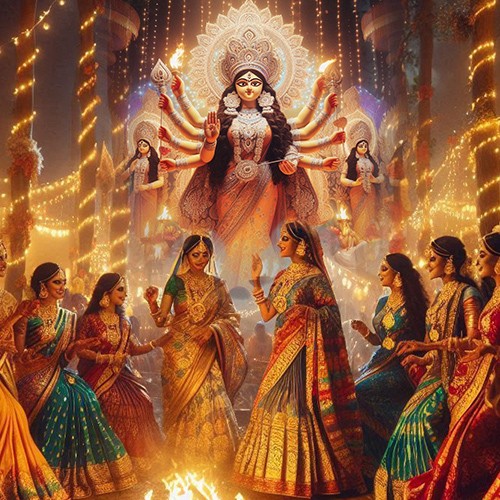
In Odisha, the Jagannath Temple at Puri prepares Mahaprasad in its massive kitchens, shared by devotees at Ananda Bazaar without distinction of caste or status. In Bengal, during Durga Puja, the distribution of bhog (festival food) becomes a collective act of daan, reinforcing unity.
West India
During Maharashtra’s Pandharpur Wari pilgrimage, villagers and trusts offer food, water, and shelter to the marching devotees. In Gujarat, daan often takes the form of support to gaushalas (cow shelters) and animal welfare centres, reflecting the principle of jivdaya (compassion for all beings).
Northeast India
Here, daan blends naturally with community culture. In Assam, prayer halls (naamghars) and festivals like Bihu emphasize communal meals and collective contributions. At Kamakhya temple in Guwahati, food offerings prepared for the Goddess are shared among devotees, showing charity as a form of shared devotion.
-in-Astrology.jpg)
.jpg)


Comments 0
Leave your thought here