

In Hinduism, a mantra is not just a word or a prayer, it is a vibration of energy. The Sanskrit root of the word comes from “man” (mind) and “tra” (tool or instrument), meaning a mantra is a tool that guides and liberates the mind.
From the ancient sound Om, considered the first vibration of creation, to sacred verses like the Gayatri Mantra, mantras have been used for thousands of years to connect human beings with the Divine. Scriptures describe them as channels of shakti (spiritual energy) that purify thoughts, balance emotions, and awaken higher consciousness.
Modern science supports what the sages knew: chanting mantras calms the nervous system, slows down the breath, reduces stress, and improves focus. The repetition of sound creates steady rhythms in the brain, which bring peace, clarity, and inner strength.
What is Mantra?
The word Mantra (मंत्र) is derived from two Sanskrit roots: “man” meaning mind, and “tra” meaning instrument or tool. Together, it signifies “a tool for guiding the mind.” A mantra is therefore not just a phrase to be recited, but a sacred sound vibration designed to focus, protect, and elevate consciousness.
In Hindu tradition, mantras are considered living energies. When pronounced correctly, with devotion and concentration, they awaken the subtle forces of nature and connect the individual to the Divine. Unlike ordinary speech, a mantra carries a seed of power (bīja shakti) that influences the body, mind, and spirit.
Some of the simplest and most powerful mantras are:
Om (ॐ): The primordial sound, regarded as the vibration of creation itself.
Gayatri Mantra: A Vedic prayer invoking divine illumination.
Mahamrityunjaya Mantra: A healing chant dedicated to Lord Shiva for protection and overcoming fear of death.
Thus, a mantra is both sound and silence, a sacred formula that works on multiple levels: spiritual awakening, mental discipline, and emotional healing.
Scriptural and Spiritual Significance
Vedic roots
The earliest mantras are found in the Vedas, where they were used to praise deities, seek blessings, and maintain harmony with cosmic order. The Rigveda preserves hymns like the Gayatri Mantra, a prayer for wisdom and inner light. The Atharvaveda includes mantras for healing and protection, showing that these sacred sounds were meant for both spiritual upliftment and daily wellbeing.
Upanishadic insight
The Upanishads describe mantras as the sound-form of truth. The Mandukya Upanishad teaches that Om is not just a syllable but the very essence of the universe, representing waking, dreaming, deep sleep, and the state beyond. Here, mantra becomes a doorway to realizing the highest reality, Brahman.
Yoga tradition
In the Yoga Sutras of Patanjali, Om is called the sound-symbol of the Divine. By meditating on this sound, the mind becomes steady and focused. This shows mantra as a practical tool of discipline, helping seekers calm the mind and direct it toward God.
Puranic and Tantric view
Later traditions emphasize mantra as shakti a living power. The Puranas and Tantras describe mantras as carriers of divine energy that protect, heal, and transform when chanted with devotion and proper guidance. They teach that the right mantra, received from a teacher, can lead not only to worldly wellbeing but also to spiritual liberation.
Across all scriptures, mantras are seen as living vibrations: they praise the Divine, guide the mind inward, awaken higher truths, and channel spiritual energy. This is why mantras remain central to Hindu practice even today.
Rituals and Procedure of Chanting Mantras
Chanting a mantra is more than repeating words, it is a sacred practice that joins the right sound, intention, and devotion. Hindu tradition gives simple yet powerful guidelines for chanting:
-
Purity and Intention (Sankalpa).
Before beginning, one sets a clear intention, whether for peace, health, devotion, or spiritual growth. A pure mind and heart make the mantra more effective. -
Correct Pronunciation.
Mantras are vibrations, and the way they are spoken carries power. In Vedic tradition, the tone (svara) and rhythm are considered essential, as even small variations can change the effect. -
Repetition (Japa).
Mantras are often repeated in counts of 108 using a mala (rosary). This steady rhythm trains the mind, calms restlessness, and builds spiritual energy. -
Sacred Times and Places.
Chanting is especially powerful at dawn (Brahma Muhurta), during meditation, or in temples. A clean, quiet space helps the mind focus and absorb the vibration. -
Posture and Breath.
Sitting upright with steady breath allows the sound to resonate through the body. Many traditions teach aligning chanting with slow, deep breathing. -
Guidance and Transmission.
Certain mantras, especially bija (seed) mantras, are traditionally received from a guru. This ensures correct usage and empowers the mantra with lineage blessings.
Regional Variations.
- In North India, japa with malas is very common.
- In South India, mantras are woven into Vedic chanting traditions.
- In Eastern regions, collective chanting in temples, such as Durga or Kali mantras, is widely practiced.
- In the West and Northeast, bhakti-based chanting with music often blends with mantra recitation.
In essence, chanting a mantra is a union of sound, devotion, and discipline, a practice that purifies the mind, awakens energy, and strengthens one’s connection with the Divine.
Emotional, Cultural, and Social Value of Mantras
Emotional Value
Mantras act as anchors for the mind and heart. Chanting creates a sense of peace, reduces anxiety, and gives strength during difficult times. Families often pass down mantras across generations, making them a source of comfort and continuity in changing times.
Cultural Value
From morning prayers at home to temple rituals and festivals, mantras are woven into the rhythm of daily life. They are recited during births, weddings, and even funerals, marking life’s transitions with sacred sound. This keeps spiritual tradition alive and gives cultural identity to Hindu communities across the world.
Social Value
Collective chanting, whether in temples, pilgrimages, or festivals, builds unity and shared devotion. Large gatherings chanting mantras together create an atmosphere of strength and harmony, reminding people that spiritual practice is not just personal but also communal.
In this way, mantras hold emotional depth, cultural richness, and social power, shaping both individual lives and collective experience.
Scientific or Psychological Perspective
Modern research has begun to confirm what the ancient sages always knew that mantras transform not just the spirit, but also the body and mind.
Calms the mind: Chanting mantras, especially “Om,” has been shown to quiet the brain’s stress centres, creating a deep sense of inner calm and focus.
Balances breath and heart: The rhythm of chanting naturally slows the breath to a steady pace, which improves heart health and stabilizes the nervous system.
Reduces stress: Regular mantra practice lowers stress hormones, eases anxiety, and improves emotional resilience.
Sharpens concentration: By repeating a single sound or phrase, the restless “chatter” of the mind is reduced, improving clarity and mental discipline.
Supports overall wellbeing: Studies suggest that consistent chanting can lower blood pressure, improve sleep, and even enhance immunity by reducing the body’s stress load.
In this way, mantras act as both a spiritual medicine and a scientific tool, harmonizing body, mind, and soul.
How the Tradition is Adapted Today
In ancient times, mantras were chanted in temples, during yajnas, and in secluded meditation. Today, while those traditions continue, mantras have also found new expressions that resonate with modern seekers, especially millennials and Gen Z.
Global Practice: Mantras are now recited not just in India but across yoga studios, meditation retreats, and spiritual communities worldwide, making them a universal language of peace.
Digital Chanting: Apps, online satsangs, and guided mantra sessions on YouTube and Spotify have brought sacred sounds to smartphones, making daily practice easy and accessible.
Mindfulness & Healing: Many young people use mantras alongside meditation and breathwork to cope with stress, anxiety, and emotional challenges.
Creative Expressions: Fusion music, bhajans with modern instruments, and mantra concerts allow ancient sounds to blend with contemporary culture without losing their sanctity.
Everyday Integration: Students chant before exams for focus, professionals before work for calm, and families include mantras in morning or evening rituals, weaving spirituality into daily life.
This shows that while the forms of practice may evolve, the essence of mantra as sacred sound remains timeless, guiding both ancient sages and modern generations toward balance, clarity, and connection with the Divine.
Types of Mantra
Mantras are classified in many ways depending on what they mean, how they are structured, and what purpose they serve. Here are the main types explained in simple language:
By what they invoke
Saguna mantras (with form): These call upon a specific form of the Divine. Examples: Om Namah Shivaya (to Lord Shiva), Om Namo Narayanaya (to Lord Vishnu). They are used for devotion, protection, and grace.
Nirguna mantras (without form): These point to the formless Absolute. Examples: Om, Soham. They are used for meditation and inner stillness.
By structure or format
Bija mantras (seed sounds): Short, powerful syllables that hold condensed spiritual energy. Examples: Om, Hrim, Shrim, Klim. Often used inside longer mantras to energize them.
Gayatri mantras : Verses composed in the Gayatri meter (24 syllables). The most famous is the Gayatri mantra from the Rigveda, but many deities also have their own Gayatri mantras.
Nama mantras (name mantras): Repetition of the Divine Name, such as the Hare Krishna Mahamantra. These are often practiced as japa using a mala.
Kavacha mantras (protective mantras): These act like spiritual armour, asking a deity to protect different aspects of life and body.
By purpose or use
Shanti mantras (peace mantras): Invocations for harmony and removal of obstacles, often chanted at the beginning or end of study and rituals.
Healing mantras: Used for health, long life, and recovery. A well-known example is the Mahamrityunjaya Mantra dedicated to Lord Shiva.
Prosperity and protection mantras: Many mantras are directed towards specific goals such as wisdom, wealth, courage, or liberation.
By origin or tradition
Vedic mantras: The oldest mantras preserved in the four Vedas, recited with precise tone and rhythm.
Tantric and Puranic mantras: Later traditions that focus on mantra as shakti (power), with special rituals, initiations, and deity-specific chants.
Classical texts say that a mantra is not just words. Each mantra has a rishi (seer who revealed it), a chandas (meter or rhythm), a devata (deity), a bija (seed sound), a shakti (power), and a kilaka (pin or hidden key). These elements give the mantra its life and effectiveness, especially when practiced with devotion and guidance.
Anatomy of a Mantra
A mantra is not just a set of syllables put together, it is considered a living energy. In the Hindu tradition, every mantra carries within it a secret structure, known as its viniyoga (application or inner arrangement). Understanding these elements helps us see why mantras are treated with such reverence:
Rishi (seer): Each mantra was first “heard” or revealed to a sage in deep meditation. The rishi is like the spiritual channel through whom divine sound entered human consciousness. For example, the Gayatri mantra was revealed to Sage Vishvamitra.
Chandas (meter): Mantras are not spoken randomly; they are composed in precise poetic meters. These rhythms, like gayatri (24 syllables) or anushtubh (32 syllables), give the mantra its flow, balance, and vibrational harmony. The rhythm is what makes the sound resonate correctly in body and mind.
Devata (deity): Every mantra is connected to a divine energy or form. This does not always mean a personal god, but rather a cosmic principle, like Surya (the Sun) in the Gayatri mantra or Shiva in the Mahamrityunjaya mantra. The devata is the divine presence invoked through sound.
Bija (seed sound): Many mantras begin or end with powerful one-syllable sounds like Om, Hrim, Shrim, or Klim. These are called seed sounds because they hold concentrated spiritual power, just like a seed holds the entire potential of a tree.
Shakti (power) : The mantra is believed to carry its own spiritual force, which awakens when the mantra is practiced with sincerity. This shakti is what gives the mantra the ability to heal, protect, transform, or enlighten.
Kilaka (pin or lock): Ancient texts describe that each mantra has a hidden lock. When practiced with the right devotion, pronunciation, and sometimes initiation from a guru, the lock is opened and the full power of the mantra is released.
When all these elements come together, a mantra becomes much more than words, it becomes a living vibration. With regular chanting, devotion, and discipline, the mantra starts to reveal its deeper meanings and spiritual gifts to the practitioner.
The Three Ways to Chant a Mantra
In Hindu practice, the repetition of a mantra is called japa. Scriptures describe three main ways of performing japa, each carrying its own beauty and benefits. Together, they show how mantras can guide the seeker from outward expression to deep inner silence.
1. Vachika Japa (spoken aloud)
This is chanting where the mantra is recited clearly and audibly. The sound fills the space around the practitioner, creating a vibration that benefits not only the chanter but also the environment.
Purpose: Ideal for beginners, because hearing the sound helps in learning correct pronunciation and rhythm.
Effect : The audible sound energizes the surroundings and purifies the atmosphere. It also steadies the wandering mind by engaging the ears and voice.
Example: Collective chanting in temples, bhajan groups, or morning prayers at home.
2. Upanshu Japa (whispered or murmured)
In this form, the mantra is spoken softly, with lips moving but sound barely audible to others. It is often practiced when one seeks greater concentration and privacy.
Purpose: Acts as a bridge between external and internal practice. The mind starts turning inward while still being gently anchored by the whisper of the sound.
Effect: Builds deeper focus than loud chanting, without disturbing others. It refines the practice by making the sound more subtle and personal.
Example: A devotee softly repeating the Gayatri mantra during sunrise meditation.
3. Manasika Japa (mental repetition)
This is the most subtle form, where the mantra is repeated silently in the mind, without moving the lips or making any sound. Scriptures often praise this as the highest type of japa.
Purpose: Demands strong focus and discipline, but leads to profound inner stillness.
Effect: Since the mind is fully absorbed in the mantra, it dissolves distractions and draws the consciousness inward. It is said to generate the greatest spiritual merit.
Example: Silent mental repetition of Om Namah Shivaya while meditating in a quiet space.
The Journey Through the Three
Tradition often recommends starting with vachika japa, then moving to upanshu, and finally to manasika as the practice matures. This reflects the spiritual journey itself- from outer expression, to inward focus, and finally to complete inner absorption.
Purascharana – The Intensive Mantra Cycle
In the tradition of mantra practice, there is a discipline called purascharana, which means “a complete cycle of mantra repetition.” It is considered one of the most powerful ways to awaken the full energy of a mantra.
A purascharana is usually done under the guidance of a guru and involves more than just chanting. It is a combination of five sacred steps:
Japa (repetition): Repeating the chosen mantra a set number of times, often several lakh (hundreds of thousands) repetitions. This steady repetition purifies the mind and invokes the mantra’s shakti.
Homa (fire offering): After japa, a part of the mantra count is offered into a sacred fire with ghee, herbs, or grains. This symbolizes giving the mantra back to the Divine and spreading its energy outward.
Tarpana (libation): Another part of the count is offered through water oblations, symbolizing gratitude to the deities, rishis, and ancestors who sustain the mantra.
Marjana (sprinkling): Sacred water is sprinkled on oneself and surroundings, purifying body, mind, and environment.
Bhojana (feeding): The final part is completed by feeding the needy, offering food to saints, priests, or even animals. This ensures that the mantra’s fruit is shared selflessly.
Tradition says that only when these five parts are done together does a mantra become fully “ripened.” It transforms from a practice into a living presence that continues to bless the devotee and those around them.
Even if most people today do not perform such large-scale purascharanas, the spirit behind it, repetition, offering, gratitude, purification, and sharing- remains a guiding principle for all mantra practice.
Regional and Cultural Variations of Mantras
Though the essence of mantra is universal, the way mantras are practiced and celebrated varies across regions of India. Each cultural stream has its own way of weaving mantras into daily life, rituals, and devotion.
North India
Mantras are strongly connected with bhakti traditions. Recitations like the Hanuman Chalisa, Gayatri Mantra, and Mahamrityunjaya Mantra are commonly chanted in homes and temples. Collective chanting in satsangs and kirtans is very popular, where music and rhythm make mantra practice accessible to all.
South India
Here, mantra chanting has been preserved through strict Vedic traditions. Temples in Tamil Nadu, Karnataka, and Andhra Pradesh maintain daily recitations of the Vedas. Sacred syllables like Om Namo Narayanaya and Om Namah Shivaya are integral to pujas, while priests often undergo rigorous training in Vedic intonation (svara).
East India
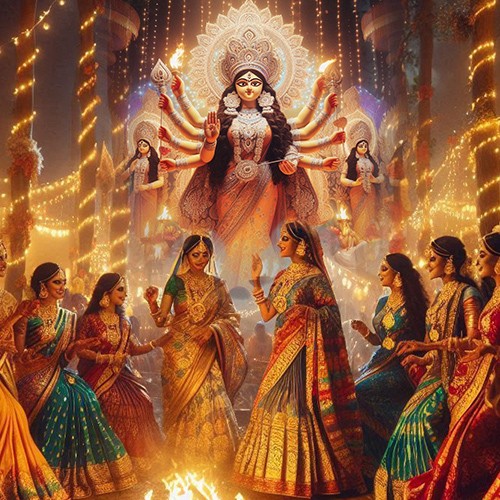
Mantras are closely tied to Shakti worship. In Bengal and Odisha, mantras dedicated to Goddess Durga, Kali, and Jagannath are central to rituals and festivals. The chanting of mantras during Durga Puja or Kali Puja fills the air with devotional energy, often accompanied by drums and conch shells.
West India
In Gujarat and Maharashtra, mantras are combined with strong traditions of bhajans and abhangas (devotional songs). The repetition of Rama Nama or Vitthala Nama is part of the Warkari tradition, where pilgrims walk for days singing and chanting. Mantras here often flow seamlessly into music and poetry.
Northeast India
The mantra traditions here reflect both Hindu Shakta practices and indigenous influences. Temples like Kamakhya in Assam resonate with powerful Devi mantras, while local communities blend Vedic chants with folk melodies, showing a fusion of ancient and regional devotion.
Important Mantras in Hinduism
Om (ॐ)
Meaning:
The primordial sound, considered the vibration of the entire universe.
Purpose:
Used as the root of many mantras; chanting Om aligns the chanter with universal energy and brings inner calm.
Gayatri Mantra (Om Bhur Bhuvah Swaha, Tat Savitur Varenyam, Bhargo Devasya Dhimahi, Dhiyo Yo Nah Prachodayat)
Meaning:
A prayer to the Sun God, asking for illumination of the mind and wisdom.
Purpose:
One of the oldest and most powerful Vedic mantras, recited for knowledge, clarity, and spiritual awakening.
Mahamrityunjaya Mantra (Om Tryambakam Yajamahe, Sugandhim Pushtivardhanam, Urvarukamiva Bandhanan, Mrityor Mukshiya Maamritat)
Meaning:
A prayer to Lord Shiva, seeking healing, longevity, and liberation from the fear of death.
Purpose:
Chanted for protection, recovery from illness, and peace of mind.
Hare Krishna Mahamantra (Hare Krishna, Hare Krishna, Krishna Krishna, Hare Hare, Hare Rama, Hare Rama, Rama Rama, Hare Hare)
Meaning:
Repetition of the holy names of Lord Krishna and Rama.
Purpose:
A mantra of devotion, spreading joy, love, and divine connection. Central to the Bhakti movement.
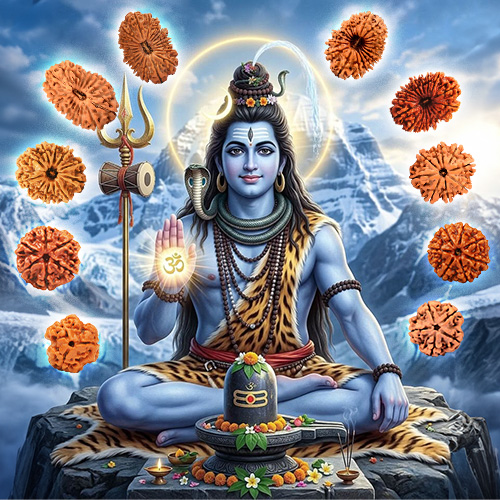
Om Namah Shivaya
Meaning:
“I bow to Lord Shiva.”
Purpose:
A simple yet profound mantra for inner purification, strength, and surrender to divine will.
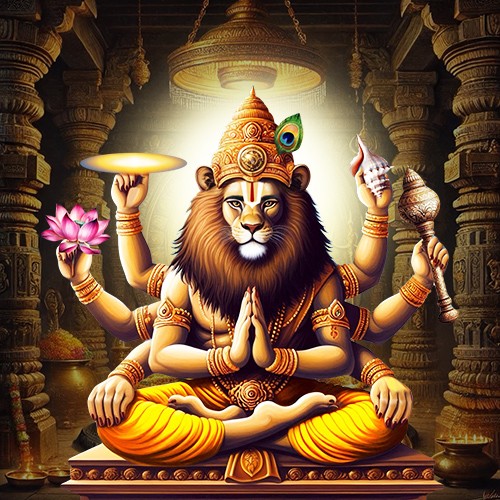
Om Namo Narayanaya
Meaning:
“I bow to Lord Narayana (Vishnu, the sustainer).”
Purpose
: Brings peace, protection, and devotion.
Shanti Mantras (Om Sahana Vavatu, Sahanau Bhunaktu…)
Meaning:
Invocations for peace, harmony, and unity between teacher and student, or within communities.
Purpose
: Often recited at the start or end of study, rituals, and group prayers.
Durga Mantras (Om Dum Durgayei Namah)
Meaning:
Salutations to Goddess Durga, the protective mother.
Purpose:
Chanted for courage, strength, and protection from negativity.
Lakshmi Mantras (Om Shreem Mahalakshmiyai Namah)
Meaning:
Invocation of Goddess Lakshmi.
Purpose:
For abundance, prosperity, and harmony in home and work life.
Saraswati Mantras (Om Aim Saraswatyai Namah)
Meaning:
Salutations to Goddess Saraswati, the goddess of wisdom and learning.
Purpose:
Helps in studies, speech, music, and acquiring knowledge.
Important Mantras – Quick Reference Table
| Mantra | Deity / Focus | Meaning (Simple) | Benefits / Purpose |
| Om (ॐ) | Universal sound | The vibration of creation, essence of the universe | Aligns mind with cosmic energy, deep peace |
| Gayatri Mantra | Surya (Sun God) | Prayer for divine light and wisdom | Clarity, knowledge, spiritual awakening |
| Mahamrityunjaya Mantra | Lord Shiva | Seeker prays for health, longevity, and liberation | Healing, protection, overcoming fear of death |
| Hare Krishna Mahamantra | Lord Krishna & Rama | Repetition of divine names | Joy, devotion, love for the Divine |
| Om Namah Shivaya | Lord Shiva | “I bow to Shiva” | Purification, inner strength, surrender |
| Om Namo Narayanaya | Lord Vishnu (Narayana) | “I bow to Lord Narayana” | Peace, devotion, divine protection |
| Shanti Mantras | Universal peace | Invocations for harmony | Balance, cooperation, group unity |
| Om Dum Durgayei Namah | Goddess Durga | Salutations to the protective Mother | Courage, strength, protection from negativity |
| Om Shreem Mahalakshmiyai Namah | Goddess Lakshmi | Invocation of Goddess of wealth | Prosperity, abundance, harmony at home |
| Om Aim Saraswatyai Namah | Goddess Saraswati | Invocation of Goddess of wisdom | Knowledge, learning, eloquence, creativity |
-in-Astrology.jpg)
.jpg)


Comments 0
Leave your thought here