
Hindu symbols carry deep spiritual meaning, expressing powerful truths in simple visual forms. Rooted in Sanatan Dharma, they reveal insights about life, consciousness, and the universe.
From Om to the Lotus, each symbol holds layers of wisdom that go beyond words. They don’t just represent ideas; they help you experience them.
In this guide, we explore 24 powerful Hindu Symbols and the Timeless wisdom they hold.
1. Om (ॐ)
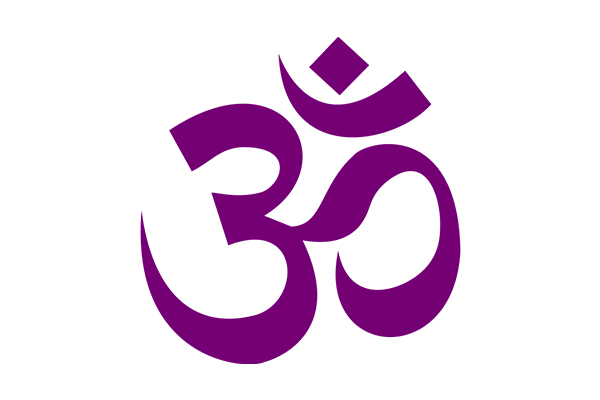
Om is the primordial sound from which all creation emerged, described in the Vedas and Upanishads as the essence of past, present, and future. It represents the complete cycle of existence including creation, preservation, and dissolution, and reflects all states of consciousness from waking to the transcendental. Beyond any one deity, Om is the source of all and is present in every mantra and form of the Divine. Chanted in meditation, prayer, and yoga, its vibration aligns the body and mind, bringing calm, focus, and inner clarity, eventually guiding the seeker from sound into deep silence.
2. Shiv Shakti Star
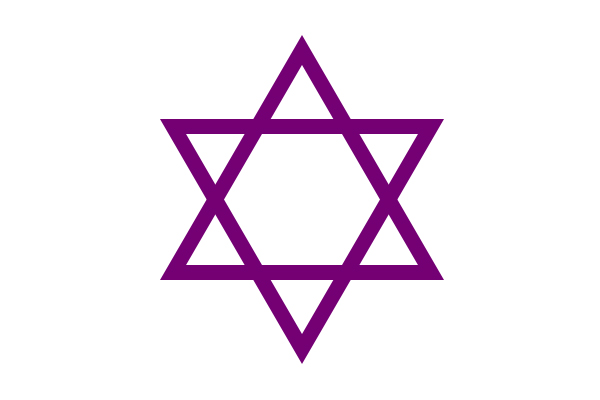
The Shiv Shakti Star, also known as the Shatkona, represents the union of Bhagwan Shiva and Goddess Shakti, the two fundamental forces of existence. Rooted in Tantric and yogic traditions, its interlocking triangles symbolize the meeting of pure consciousness and dynamic energy. The upward triangle reflects Shiva, still and unchanging, while the downward triangle represents Shakti, the force of creation and movement. Together, they form the foundation of all existence and perfect balance. Associated with Ardhanarishvara, it reminds us that both masculine and feminine energies exist within. Used in yantras, temples, and meditation, this symbol helps bring harmony between opposing aspects of life, reducing inner conflict and guiding the seeker toward balance and unity.
3. Asta Lakshmi Star

The Asta Lakshmi Star represents the eight forms of Goddess Lakshmi, symbolizing the complete spectrum of abundance that sustains life. Rooted in Puranic tradition, it reflects prosperity not just as wealth, but as strength, knowledge, courage, nourishment, and overall well being. Each point of the star signifies a different aspect of Lakshmi, highlighting that true abundance is both material and spiritual. Used in sacred art, rituals, and meditation, this symbol encourages balance across all areas of life. Contemplating it shifts the mindset from mere accumulation to a deeper sense of fulfilment, nurturing inner completeness along with outer prosperity.
4. Bindu

Bindu represents the point of origin from which all creation unfolds, the seed of existence itself. Described in Upanishadic and Tantric teachings as the first point of manifestation, it holds infinite potential within a single centre from which the universe expands and eventually returns. Beyond any one deity, it reflects the unmanifest Divine, the silent source of thought, energy, and consciousness. Seen at the centre of yantras and symbolically in the bindi or tilak, it is used as a focal point in meditation to draw awareness inward. Contemplating the Bindu brings mental clarity and stillness, helping the seeker move from scattered thinking toward deep concentration and a sense of unity.
5. Swastika
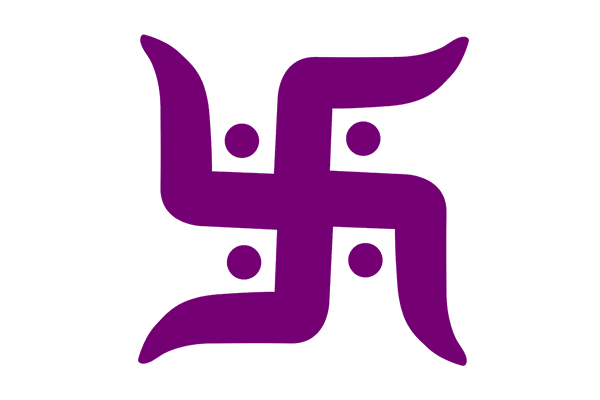
The Swastika is an ancient Vedic symbol of auspiciousness, associated with Bhagwan Ganesha and the energy of new beginnings. Its name means well being, and its four arms represent movement, continuity, and the natural cycles of life, including direction, time, and the four goals of life. Found in rituals, temples, and sacred spaces, it is drawn to invoke harmony, protection, and positive energy. Closely linked with both Ganesha and Surya, it reflects balance and life force. Contemplating this symbol brings a sense of stability and alignment, reminding the seeker to live in harmony with the deeper rhythm of existence.
6. Trishula
The Trishula, wielded by Bhagwan Shiva, represents the power that governs creation, preservation, and transformation. Described in Puranic texts as more than a weapon, its three prongs symbolize both the cosmic cycle and the inner forces of mind, ego, and intellect that must be brought into awareness. It reflects Shiva’s role as the destroyer of ignorance and the restorer of balance. Seen in temples, sacred art, and ritual spaces, it serves as a reminder of discipline and inner strength. Contemplating the Trishula brings clarity and control over thoughts, guiding the seeker toward balance, self mastery, and higher consciousness.
7. Namaste
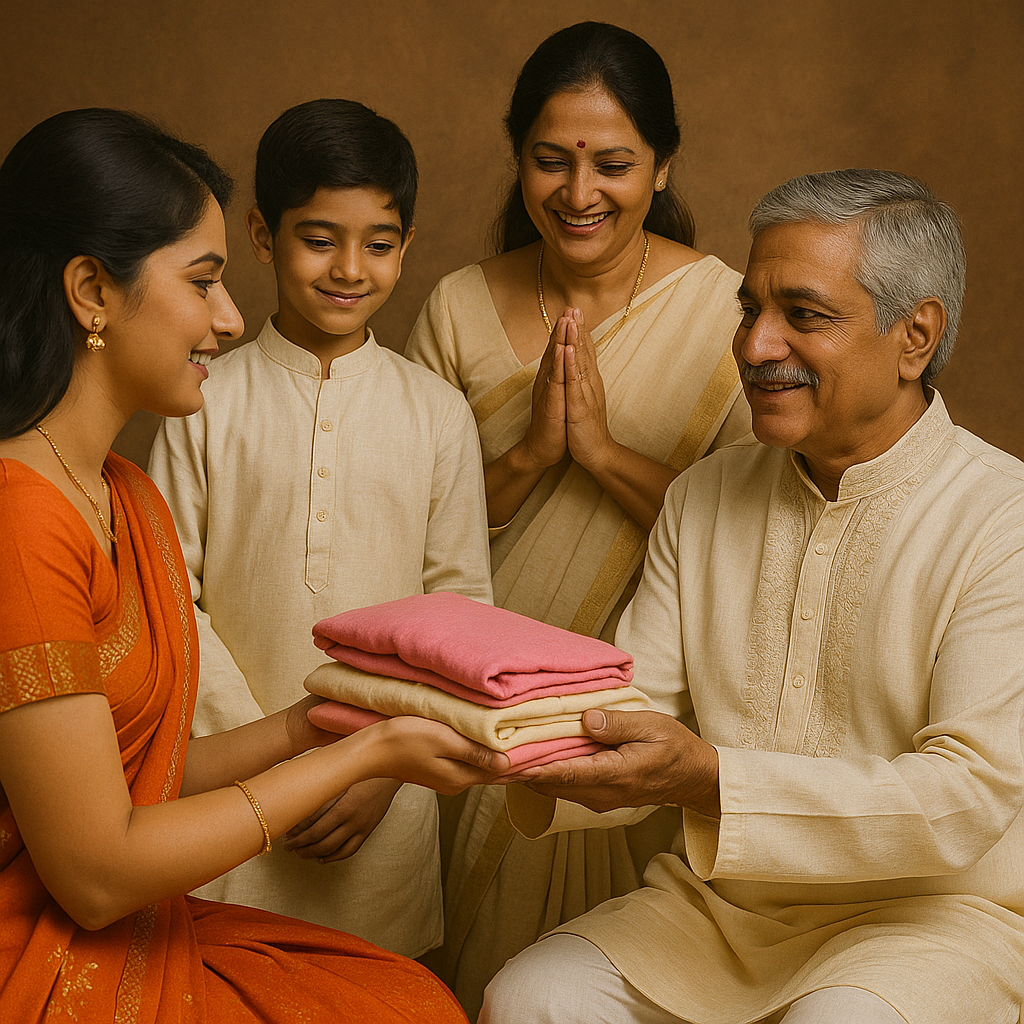
Namaste is a sacred gesture that reflects the recognition of the Divine within all beings. Rooted in Vedic tradition, it means I bow to the divine in you, expressing the understanding that the same consciousness exists in everyone. While not linked to a single deity, it represents the presence of Atman as a reflection of universal consciousness. Used as a greeting, in prayer, and during meditation, the joining of palms helps centre the mind and turn awareness inward. Practicing Namaste cultivates humility, respect, and connection, reminding the seeker to look beyond differences and recognize the deeper unity of all life.
8. Diya
The Diya symbolizes light, purity, and divine presence, closely associated with Goddess Lakshmi and Agni. Rooted in Vedic rituals, it represents the sacred connection between humans and the Divine through the element of fire. Its flame signifies light over darkness and knowledge over ignorance, while also pointing to the steady inner light of consciousness. Lit during prayers, aarti, and rituals, it creates a sacred and focused atmosphere. Beyond its outer glow, the Diya reminds the seeker to nurture inner awareness, bringing calm, clarity, and spiritual steadiness into life.
9. Lotus
The Lotus symbolizes purity, creation, and spiritual awakening, and is associated with Goddess Lakshmi, Bhagwan Brahma, and Vishnu. Described in Vedic and Puranic texts as the source of cosmic creation, it represents rising above impurity while remaining untouched, just as it blooms beautifully in muddy water. This reflects the ideal state of living in the world without being affected by it, while also symbolizing the unfolding of consciousness. Seen in temples, meditation, and chakra symbolism, the Lotus serves as a focus for inner growth. Contemplating it brings clarity and detachment, guiding the seeker toward balance, grace, and spiritual evolution.
10. Kalasha
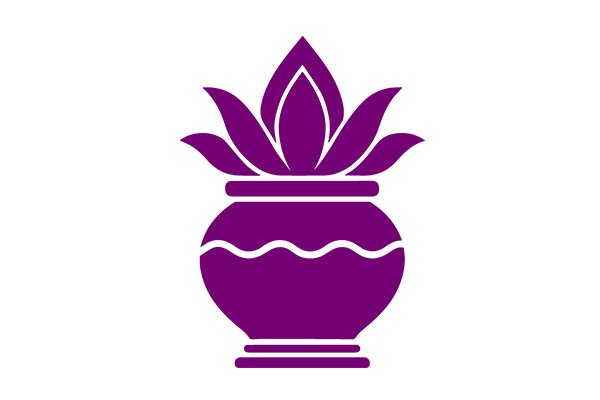
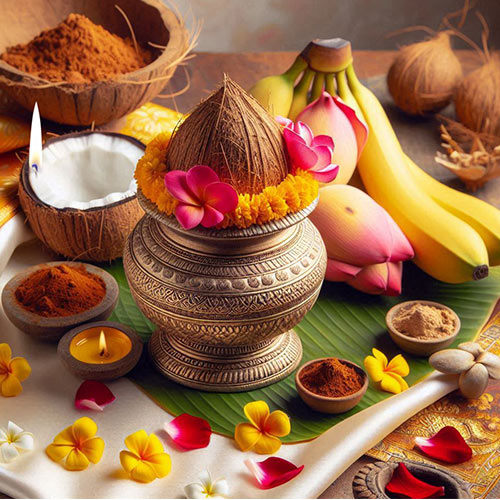
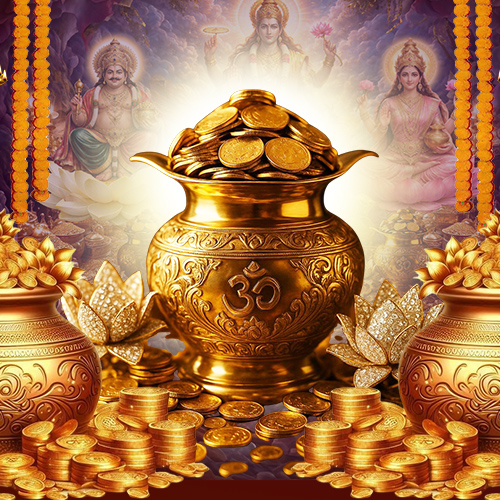
The Kalasha represents divine presence, life, and abundance, and is associated with Goddess Lakshmi and Bhagwan Vishnu. Rooted in Vedic rituals, it symbolizes the cosmic womb, with water representing purity and potential, and the coconut and leaves signifying growth and fertility. Together, it reflects completeness and the balance of material and spiritual nourishment. Placed at the beginning of pujas, weddings, and sacred ceremonies, it marks the invocation of divine energy. Its presence brings a sense of harmony and auspiciousness, reminding the seeker that true prosperity comes from a life filled with purity, purpose, and inner fullness.
11. Shankha

The Shankha, held by Bhagwan Vishnu, symbolizes sacred sound, purity, and the awakening of consciousness. Mentioned in Vedic and Puranic texts and prominently in the Mahabharata, it was used to mark the beginning of righteous action. Its sound is believed to carry the vibration of Om, clearing negativity and bringing clarity, while its spiral form reflects the expansion of the universe. Used in rituals, aartis, and ceremonies, the Shankha creates a sacred atmosphere and prepares the space for divine presence, guiding the seeker toward awareness, focus, and spiritual readiness.
12. Kundalini

Kundalini is the inner spiritual force associated with Adi Shakti, described in yogic and Tantric texts as a dormant energy coiled at the base of the spine. It represents the journey of consciousness rising through the chakras, transforming awareness from ordinary experience to higher realization. As this energy awakens, it seeks union with Shiva, symbolizing the merging of energy with pure consciousness. Activated through meditation, pranayama, yoga, and disciplined practice, it requires guidance and balance. When awakened gradually, Kundalini brings clarity, inner strength, and deep spiritual insight, ultimately guiding the seeker from physical identity toward true self awareness.
13. Sri Yantra
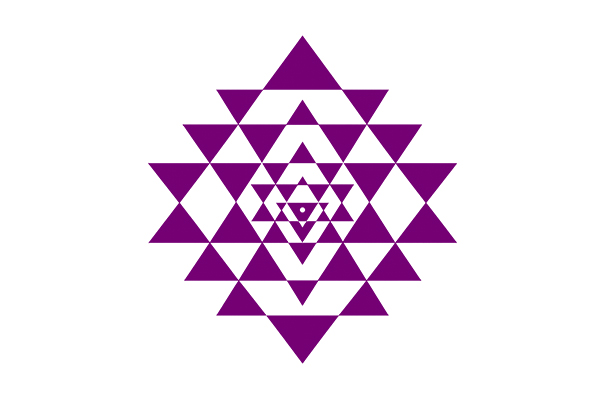
The Sri Yantra is one of the most powerful forms of sacred geometry, associated with Goddess Tripura Sundari and representing the union of divine energy and cosmic creation. Originating from Tantric traditions, it is seen as a visual map of both the universe and inner consciousness. Its interlocking triangles symbolize the union of Shiva and Shakti, while its layered structure reflects the journey from the outer world to the central point of ultimate reality. Used in meditation, rituals, and yantra sadhana, it helps focus the mind and align inner energies. Contemplating the Sri Yantra brings clarity, balance, and deep concentration, guiding the seeker inward toward unity and higher awareness.
14. Nataraja
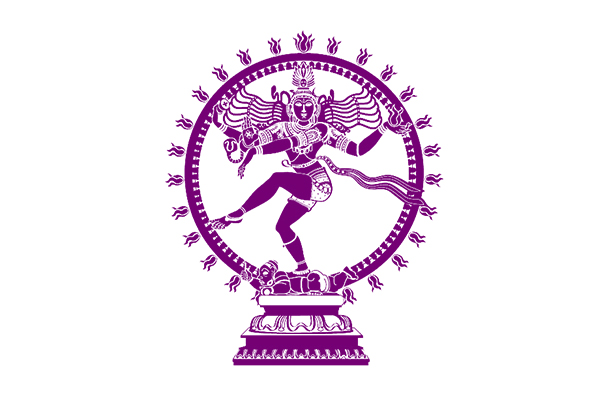
Nataraja represents Bhagwan Shiva as the cosmic dancer, embodying the rhythm of creation, preservation, and transformation. Rooted in Shaiva and Puranic traditions, his Tandava dance reflects the constant movement of the universe, where everything is in a state of change. Yet, amidst this motion, Shiva remains centred, symbolizing the stillness within. Seen in temples and sacred art, and used as a focus in meditation, Nataraja helps one understand the balance between movement and inner calm. Contemplating this form brings acceptance of change, while guiding the seeker to remain steady and aware within the flow of life.
15. Kalpavriksha
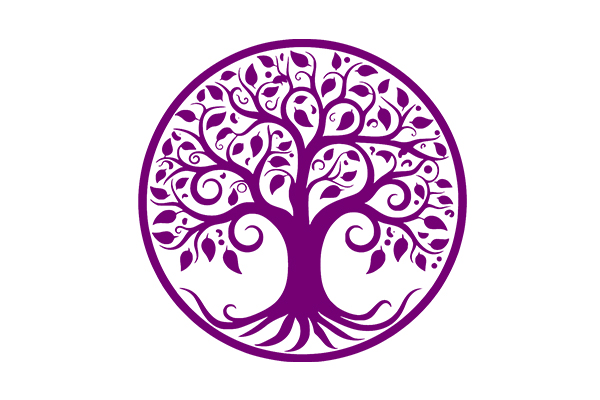
Kalpavriksha, the divine wish fulfilling tree, symbolizes abundance, fulfilment, and generosity, and is associated with Bhagwan Indra and Goddess Lakshmi. Described in the Puranas as emerging during the Samudra Manthan, it represents the universe as a source of endless giving. Beyond material wealth, it signifies abundance at emotional and spiritual levels, showing that true fulfilment comes through alignment with dharma. Seen in sacred art and contemplated in meditation, it encourages a shift from desire to meaningful aspiration. Reflecting on Kalpavriksha reminds the seeker that when life is lived in harmony with higher values, abundance flows naturally.
16. Tripundra

Tripundra is a sacred mark associated with Bhagwan Shiva, symbolizing purity, detachment, and the dissolution of ego. Rooted in Shaiva traditions, it is made using sacred ash to remind the seeker of life’s impermanence and the truth beyond the physical. The three horizontal lines represent the burning away of ego, ignorance, and karma, as well as the transcendence of the three gunas. Applied during worship and meditation, it serves as a constant reminder of inner awareness and renunciation. Reflecting on Tripundra cultivates humility and clarity, guiding the seeker toward inner purification and a steady state beyond worldly fluctuations.
17. Mudras
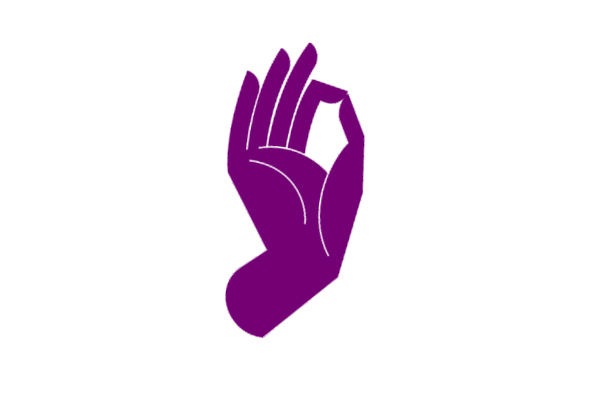
Mudras are sacred hand gestures rooted in yogic traditions, used to channel and direct prana within the body. Described in ancient texts, they align the five elements through specific finger positions, helping balance internal energy. Seen in the depictions of deities like Shiva, Vishnu, and Devi, each mudra carries a deeper meaning such as protection, knowledge, or fearlessness. Practiced in meditation, pranayama, yoga, and rituals, they work with breath and awareness to steady the mind. Regular use of mudras improves focus, emotional balance, and inner stability, guiding the seeker toward deeper awareness and spiritual alignment.
18. Chakras
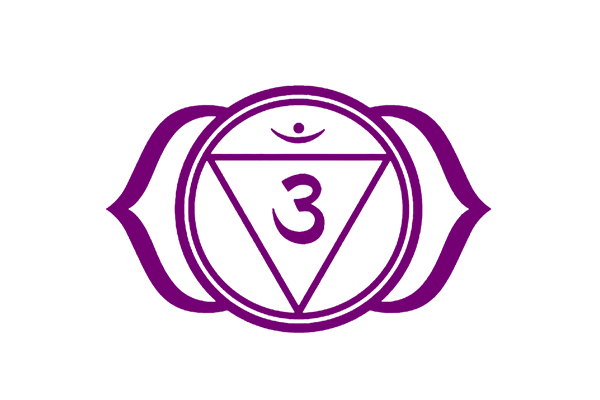
Chakras are energy centres within the subtle body that regulate the flow of life force and support the evolution of consciousness. Described in Upanishadic and Tantric texts, they represent different levels of awareness, from basic survival to higher states of realization. Each chakra governs specific aspects of life such as stability, emotion, expression, and intuition, and is linked with particular deities and mantras. Activated through meditation, pranayama, yoga, and mantra, they help balance inner energy. When aligned, chakras bring emotional stability, mental clarity, and vitality, guiding the seeker toward inner harmony and spiritual growth.
19. Rudraksha
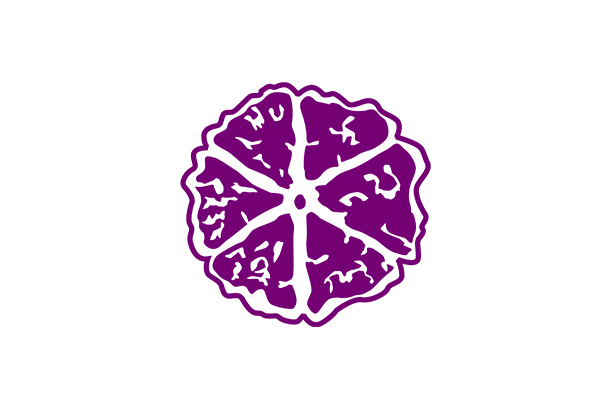
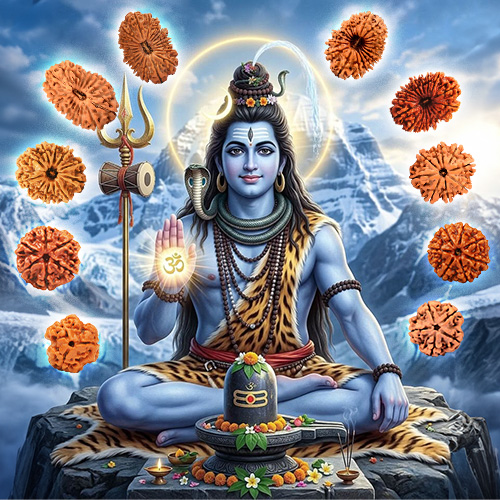
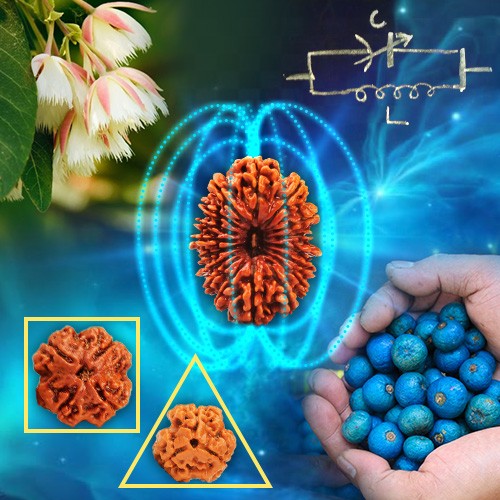
Rudraksha, known as the tear of Bhagwan Shiva, symbolizes protection, discipline, and inner awakening. Described in the Puranas as emerging from Shiva’s meditation, these beads carry a powerful spiritual vibration. Each bead, based on its mukhi, influences different aspects of life and consciousness, supporting the seeker in stabilizing the mind and deepening practice. Used as a mala for japa or worn on the body, Rudraksha serves as a constant reminder of spiritual intent.
Regular association brings calm, clarity, and emotional balance, guiding the seeker toward a more grounded and centred state of being.
20. Trishakti
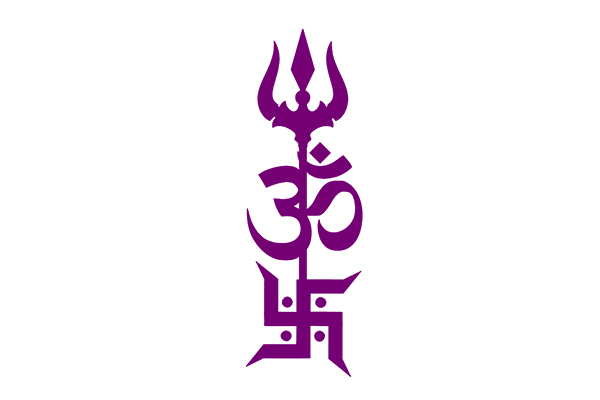
Trishakti represents the three fundamental forces of existence, creation, preservation, and transformation, associated with Brahma, Vishnu, and Shiva. Rooted in Puranic and philosophical traditions, it reflects the continuous cycle through which life unfolds, both in the universe and within the individual. Thoughts arise, are sustained, and eventually dissolve, mirroring this same pattern. Though not always shown as a single symbol, it is understood as a core principle of balance and cosmic order. Contemplating Trishakti brings acceptance of change and clarity in action, helping the seeker remain steady while recognizing that every phase of life is part of a greater flow.
21. Nandi
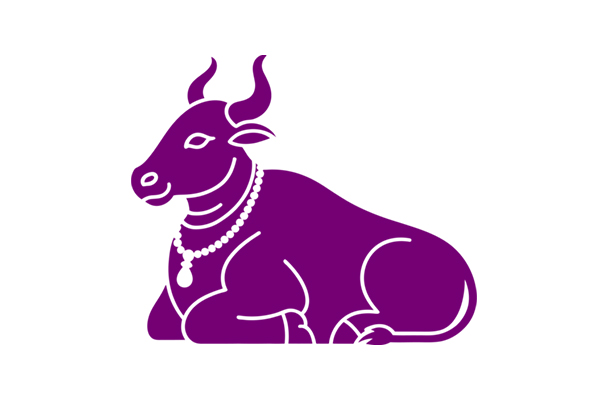
Nandi, seated in still devotion before Bhagwan Shiva, symbolizes unwavering faith, strength, and complete surrender. Described in Puranic texts as Shiva’s companion and guardian, he represents perfect devotion and patience, always facing the Shiva Lingam with single pointed focus. This reflects a mind that remains steady and undistracted, rooted in discipline rather than impulse. Found in every Shiva temple, Nandi is a guide for meditation and devotion. Contemplating him cultivates inner stability and strength, teaching the seeker to remain focused and grounded in faith, regardless of external movement.
22. Tulsi
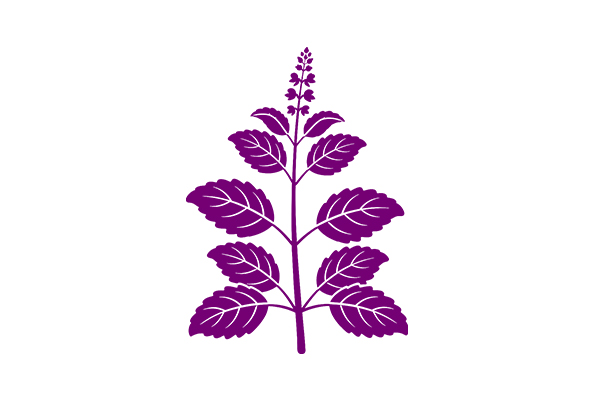
Tulsi is a sacred plant associated with Bhagwan Vishnu and Goddess Lakshmi, symbolizing purity, devotion, and divine protection. Described in Puranic traditions as a manifestation of divine energy, it is revered as a living spiritual presence. Tulsi represents purity of body and mind while creating a sanctified environment for spiritual practice. Deeply connected with Vishnu and Krishna, it holds special importance in worship, where its leaves are offered with devotion. Worshipped daily in homes and used in rituals, Tulsi brings a sense of calm, clarity, and sacredness, guiding the seeker toward a life of simplicity, faith, and inner purity.
23. Kalachakra
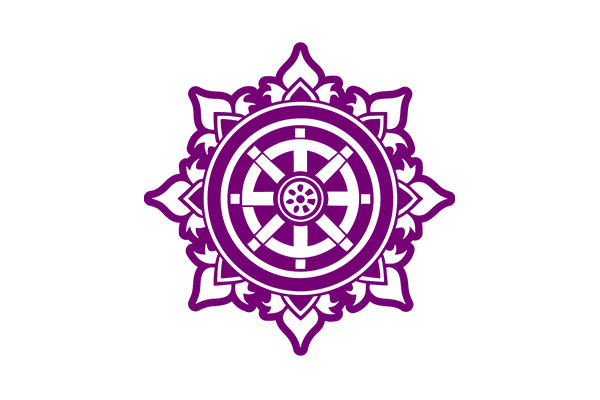
Kalachakra represents the eternal cycle of time, showing existence as a continuous flow of creation and dissolution rather than a linear path. Rooted in ancient Hindu philosophy, it reflects the cycle of birth, life, death, and rebirth, reminding the seeker that nothing is permanent. Governed by the cosmic order associated with Vishnu and Shiva, it symbolizes the movement and balance of time itself. Contemplated in spiritual teachings and meditation, often as a wheel, it helps develop acceptance of change and detachment from temporary conditions. Reflecting on Kalachakra brings patience and clarity, guiding the seeker toward awareness beyond time and connection with the eternal.
24. Hamsa
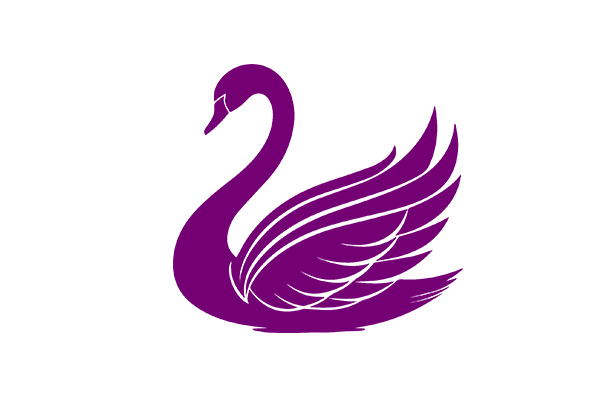
Hamsa represents wisdom, purity, and the power of discernment, and is associated with Goddess Saraswati and Bhagwan Brahma. Described in Vedic and Upanishadic texts as a sacred being capable of separating milk from water, it symbolizes the ability to distinguish truth from illusion. This quality of viveka is essential for deeper spiritual understanding and clarity of thought. Seen in sacred texts, art, and meditation, Hamsa serves as a guide toward higher awareness. Reflecting on it sharpens perception and insight, helping the seeker move beyond confusion toward true wisdom and inner understanding.
-in-Astrology.jpg)
.jpg)


Comments 0
Leave your thought here