

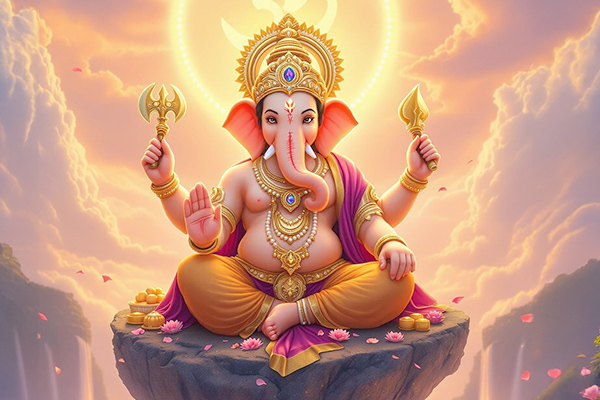
Sankashti Chaturthi is one of the most sacred vrats dedicated to Lord Ganesha, the remover of obstacles and bestower of wisdom. The word Sankashti means “freedom from difficulties,” and Chaturthi refers to the fourth day of the lunar fortnight. This vrat is observed every month on the Krishna Paksha Chaturthi (fourth day of the waning moon).
Among all, the Sankashti Chaturthi that falls on a Tuesday is considered most powerful and is known as Angaraki Chaturthi. In 2026, devotees across India and the world will observe these sacred fasts with deep devotion, offering prayers, modaks, and durva grass to Lord Ganesha, and breaking their fast after sighting the moon in the evening.
By keeping this vrat with faith, devotees believe they are blessed with health, prosperity, clarity of mind, and protection from obstacles in life.
Sankashti Chaturthi 2026 Dates
Here is the complete list of Sankashti Chaturthi vrat dates for the year 2026, along with the moonrise timings:
|
Month |
Date & Day |
Masa (Lunar Month) |
Moonrise Time |
Tithi Begins |
Tithi Ends |
|
January |
6, Tuesday |
Magha, Krishna Chaturthi |
09:23 PM |
Jan 06, 08:01 AM |
Jan 07, 06:52 AM |
|
February |
5, Thursday |
Phalguna, Krishna Chaturthi |
09:50 PM |
Feb 05, 12:09 AM |
Feb 06, 12:22 AM |
|
March |
6, Friday |
Chaitra, Krishna Chaturthi |
09:21 PM |
Mar 06, 05:53 PM |
Mar 07, 07:17 PM |
|
April |
5, Sunday |
Vaishakha, Krishna Chaturthi |
09:50 PM |
Apr 05, 11:59 AM |
Apr 06, 02:10 PM |
|
May |
5, Tuesday |
Jyeshtha, Krishna Chaturthi |
10:22 PM |
May 05, 05:24 AM |
May 06, 07:51 AM |
|
June |
3, Wednesday |
Jyeshtha, Krishna Chaturthi |
09:54 PM |
Jun 03, 09:21 PM |
Jun 04, 11:30 PM |
|
July |
3, Friday |
Ashadha, Krishna Chaturthi |
09:54 PM |
Jul 03, 11:20 AM |
Jul 04, 12:39 PM |
|
August |
2, Sunday |
Shravana, Krishna Chaturthi |
09:39 PM |
Aug 01, 11:07 PM |
Aug 02, 11:15 PM |
|
August (2nd) |
31, Monday |
Bhadrapada, Krishna Chaturthi |
08:52 PM |
Aug 31, 08:50 AM |
Sep 01, 07:41 AM |
|
September |
29, Tuesday |
Ashwina, Krishna Chaturthi |
08:15 PM |
Sep 29, 05:09 PM |
Sep 30, 02:55 PM |
|
October |
29, Thursday |
Kartika, Krishna Chaturthi |
08:55 PM |
Oct 29, 01:06 AM |
Oct 29, 10:09 PM |
|
November |
27, Friday |
Margashirsha, Krishna Chaturthi |
08:54 PM |
Nov 27, 09:48 AM |
Nov 28, 06:39 AM |
|
December |
26, Saturday |
Pausha, Krishna Chaturthi |
08:48 PM |
Dec 26, 08:04 PM |
Dec 27, 05:12 PM |
Scriptural and Spiritual Significance of Sankashti Chaturthi
Sankashti Chaturthi is not just a ritual fast, it is deeply rooted in the Puranas and revered as a sacred vrata that connects devotees with Lord Ganesha, the remover of obstacles (Vighnaharta) and giver of wisdom.
References in Scriptures
- Shiva Purana mentions that those who observe Sankashti Chaturthi with devotion are freed from obstacles and granted peace, prosperity, and spiritual progress.
- Brahmavaivarta Purana describes Lord Ganesha as the son of Shiva and Parvati, a manifestation of supreme consciousness. Worshipping Him on Chaturthi is said to bless the devotee with intellect (buddhi) and wisdom (jnana).
- Bhavishyat Purana and Narasimha Purana also highlight the significance of the 13 Sankashti Chaturthi vrats in a year, each associated with a different form of Ganesha.
The 13 Forms of Ganesha Worshipped
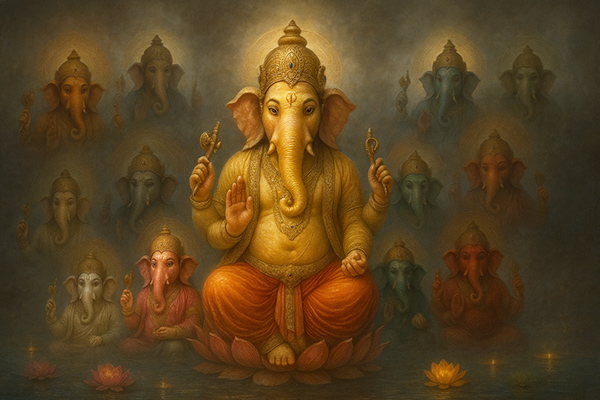
Each Sankashti Chaturthi in the year is dedicated to a unique form of Ganesha, worshipped with a special name and significance:
Chaitra- Vikata Maha Ganapati
Vaishakha- Chanakra Raja Ekadanta Ganapati
Jyeshtha- Krishna Pingala Maha Ganapati
Ashadha- Gajaanana Ganapati
Shravana- Heramba Maha Ganapati
Bhadrapada- Vignaraja Maha Ganapati
Ashwin- Vakratunda Maha Ganapati
Kartika- Ganadipa Maha Ganapati
Margashirsha- Akuratha Maha Ganapati
Pushya- Lambodara Maha Ganapati
Magha- Dwijapriya Maha Ganapati
Phalguna- Balachandra Maha Ganapati
Adhika Masa- Vibhuvana Palaka Maha Ganapati
This cycle of worship shows that Lord Ganesha is not only the remover of difficulties but also the guide through every stage of life, embodying different aspects of strength, wisdom, and protection.
Symbolism of the Vrat
- The fasting symbolizes discipline, purification, and surrender to divine will.
- Moon-sighting (Chandra Darshan) at the end of the fast represents clarity of mind and release from illusion.
- Offering modak and durva grass highlights sweetness of devotion and simplicity in prayer.
Angaraki Chaturthi
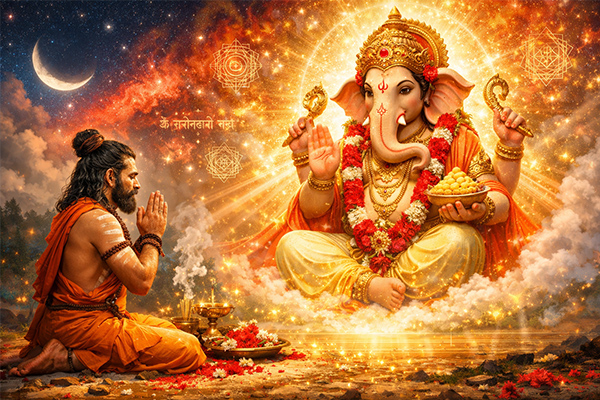
According to legend, Sage Angarak- the son of Rishi Bharadwaj and Mother Earth- worshipped Lord Ganesha with deep devotion. On a Krishna Chaturthi that fell on a Tuesday, Lord Ganesha appeared and blessed him, declaring that whoever observes this vrata on such a day would receive immense blessings. From then on, Angaraki Sankashti Chaturthi became the most auspicious of all Sankashti observances.
Rituals and Procedure of Sankashti Chaturthi
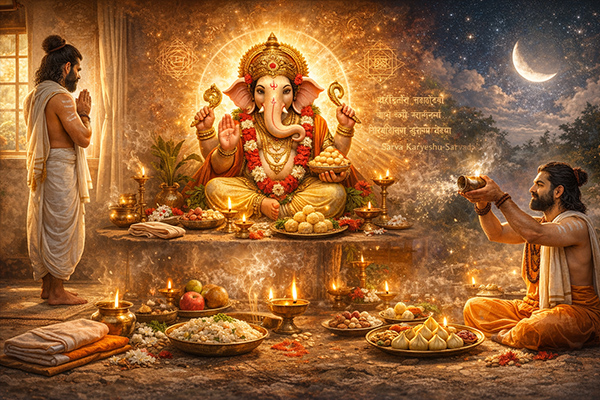
Sankashti Chaturthi is observed with deep devotion and discipline. The rituals are simple yet powerful, combining fasting, worship, and moon-sighting. Here is a step-by-step guide:
1. Morning Preparations
- Devotees wake up before sunrise and take a holy bath.
- Wear clean or new clothes as a mark of purity.
- Take a sankalpa (vow) to observe the fast with devotion, praying for removal of obstacles and blessings from Lord Ganesha.
2. Observing the Fast
- A strict fast is kept from sunrise to moonrise.
- Some observe a nirjala vrat (without food and water), while others keep a partial fast with fruits, roots, milk, and satvik food like sabudana khichdi, peanuts, or potatoes.
- Grains and salt are usually avoided until the fast is broken.
3. Evening Puja
- Clean the puja space and place an idol or picture of Lord Ganesha.
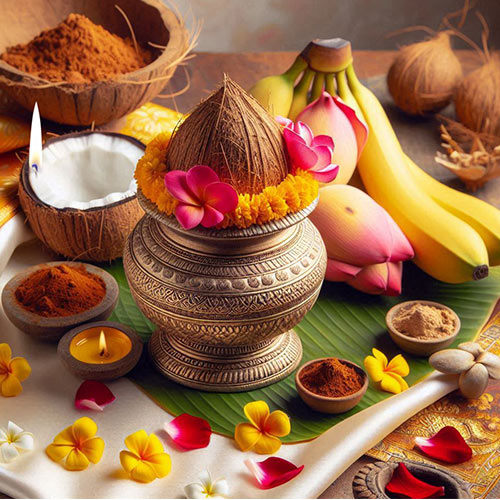
- Decorate with durva grass, red flowers, lamps, and incense.
- Offer modaks and ladoos as bhog, as these are considered Ganesha’s favorite sweets.
-
Recite Ganesha mantras such as:
Vakratunda Mahakaya, Surya Koti Samaprabha, Nirvighnam Kurume Deva, Sarva Karyeshu Sarvada - Read or listen to the Sankashti Vrat Katha, which differs each month according to the form of Ganesha worshipped.
4. Moonrise and Arghya
- At moonrise, devotees perform Chandra Darshan (sighting of the moon).
- Offer arghya (water mixed with flowers, sandal, and rice) to the Moon God.
- Pray for peace of mind, clarity, and freedom from difficulties.
5. Breaking the Fast
- After offering arghya and completing the puja, the fast is broken.
- Devotees consume the prasad, fruits, and light satvik food.
Sankashti Chaturthi Vrat Katha (Legend)
There are many stories connected with Sankashti Chaturthi, each highlighting Lord Ganesha’s compassion and wisdom. Two of the most well-known are:
_200766.jpg)
1. The Story of Angarak Rishi
Sage Angarak was the son of Rishi Bharadwaj and Mother Earth. He was a devoted seeker of Lord Ganesha and worshipped Him with great faith. On a Krishna Chaturthi that coincided with a Tuesday, Lord Ganesha appeared before Angarak and granted him a boon. The sage humbly asked that this day be forever known by his name and that whoever observed the vrat on this day would have all wishes fulfilled. Ganesha, pleased by his devotion, granted the boon. Since then, this day is celebrated as Angaraki Sankashti Chaturthi, considered the most auspicious of all Sankashti vrats.
2. The Story of Ganesha’s Wisdom (Parikrama of Parents)
Once, Lord Shiva and Goddess Parvati received a divine fruit from the gods, which was said to grant supreme wisdom and immortality. Their sons, Ganesha and Kartikeya, both wanted it. To settle the matter, they were told that whoever circled the world three times first would receive the fruit. Kartikeya immediately set off on his peacock, confident of winning.
Ganesha, however, with his humble mouse as a vehicle, thought differently. He remembered that for him, his parents were the whole world. With devotion and wisdom, he circumambulated Shiva and Parvati three times, declaring that he had encircled his entire world. Pleased by his insight, Lord Shiva and Parvati awarded him the fruit and blessed him as Pratham Pujya- the one who must always be worshipped first.
This story is often retold on Sankashti Chaturthi as a reminder that true wisdom lies in devotion, humility, and honouring one’s parents.
How to Do Puja on Sankashti Chaturthi (Including Fasting)
Observing Sankashti Chaturthi is considered highly auspicious. Devotees usually combine fasting (vrat) with an evening Ganesh puja and moon-sighting. Here is the complete procedure:
_200761.jpg)
1. Morning Preparations
- Wake up early, ideally before sunrise.
- Take a holy bath and wear clean or new clothes.
- Take a sankalpa (vow) to observe the vrat sincerely, praying for removal of difficulties and blessings of health, wisdom, and prosperity.
2. Fasting During the Day
Type of fast:
- Many keep a nirjala vrat (without food or water until moonrise).
- Others observe a partial fast, eating only fruits, roots, milk, and satvik food like sabudana khichdi, peanuts, or potatoes.
- Restrictions: Grains, pulses, and salt are usually avoided until the fast is broken.
- Devotees spend the day in chanting, reading Ganesh stotras, or listening to bhajans.
3. Evening Puja to Lord Ganesha
- Clean the puja space and place an idol or picture of Lord Ganesha.
- Decorate with durva grass, fresh red flowers, lamps, and incense sticks.
- Prepare prasad such as modaks and ladoos, which are Ganesha’s favorite.
-
Offer water, fruits, and sweets, while reciting Ganesh mantras, for example:
Vakratunda Mahakaya, Surya Koti Samaprabha, Nirvighnam Kuru Me Deva, Sarva Karyeshu Sarvada. - Read or listen to the Sankashti Vrat Katha associated with that month’s form of Ganesha.
4. Moonrise and Arghya
- At the time of moonrise, step outside for Chandra Darshan (sighting of the Moon).
- Offer arghya (water mixed with sandalwood, flowers, and rice) to the Moon God, praying for peace and clarity.
- After this, bow to Lord Ganesha once more with folded hands and devotion.
5. Breaking the Fast
- The vrat is concluded only after moon-sighting.
- First eat the prasad offered to Ganesha.
- Then have fruits or simple satvik food to gently break the fast.
Emotional, Cultural, and Social Value of Sankashti Chaturthi
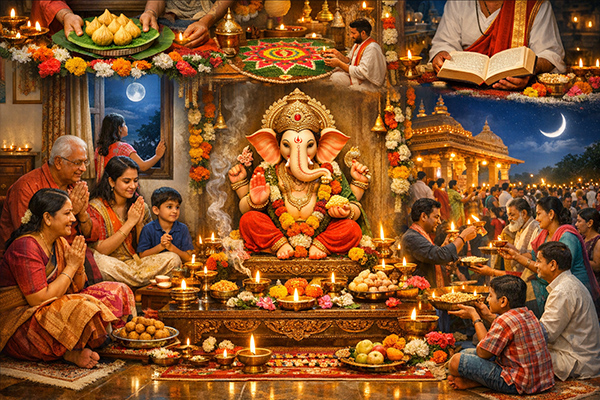
Emotional Value
Sankashti Chaturthi is more than a fast- it is an act of love and devotion. Families gather in the evening for puja, chant mantras together, and share prasad, which strengthens bonds between generations. The vrat teaches patience, humility, and gratitude. Children watching elders keep the fast and participate in puja learn discipline and faith from an early age. The practice of waiting for moonrise before breaking the fast also instils self-control and reverence for nature’s rhythms.
Cultural Value
This vrat is widely observed across India, but with regional flavor. In Maharashtra, families prepare elaborate pujas and offer modaks, while in Karnataka and Tamil Nadu, colorful rangolis and temple visits are common. In North India, reciting the Sankashti Vrat Katha with devotion is central to the observance. Each region may differ in its customs, but the essence is the same- surrendering worries to Lord Ganesha and seeking His grace. The diversity of traditions shows how deeply embedded this vrat is in the cultural fabric of Hindu society.
Social Value
On Sankashti evenings, temples and neighborhoods resonate with chants and aarti, creating a collective vibration of peace and unity. Community groups sometimes organize public pujas or collective vrat kathas, where devotees come together to worship, sing bhajans, and distribute prasad. This sense of togetherness reduces isolation, strengthens social bonds, and reinforces the belief that devotion and service bring prosperity not only to individuals but also to the community at large.
In this way, Sankashti Chaturthi nurtures not just personal devotion but also family harmony, cultural continuity, and social unity.
Regional and Cultural Variations of Sankashti Chaturthi
Though the essence of Sankashti Chaturthi remains the same, fasting through the day, evening puja to Lord Ganesha, and breaking the fast after moonrise, the way it is celebrated differs across regions of India.
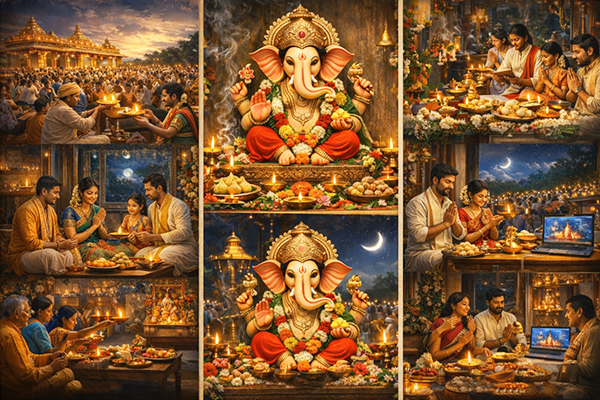
Maharashtra
This state is known for its grand observance of Sankashti Chaturthi. Families prepare elaborate evening pujas, offering durva grass, red flowers, modaks, and ladoos to Ganesha. Special importance is given to reading the Sankashti Vrat Katha, and temples hold collective aartis and bhajans. In cities like Mumbai and Pune, devotees gather in large numbers in Ganesha temples for darshan.
South India (Karnataka, Tamil Nadu, Andhra Pradesh, Telangana)
Here, Sankashti Chaturthi is popularly called Sankatahara Chaturthi. Devotees decorate their homes with rangoli, visit Ganesha temples, and perform abhishekam (ritual bathing) of idols with water, milk, and sandal paste. Many chant the Ganesha Atharvashirsha as part of the puja.
North India
In North India, families often emphasize storytelling and vrat katha recitation. The fast is kept strictly from sunrise to moonrise, with fruits and milk consumed after darshan. In some regions, devotees also recite the Ganesh Chalisa and distribute prasad among neighbors and relatives.
Eastern India (Odisha, Bengal, Assam)
While not as widely popular as in Maharashtra or the South, Sankashti Chaturthi is still observed by Ganesha devotees. In Odisha, small household pujas with offerings of ladoos and fruits are common. In Bengal and Assam, the vrat is often blended with local customs of Shakti and bhakti worship, with collective evening aartis.
Diaspora Communities
Outside India, especially in the US, UK, and Middle East, devotees observe Sankashti with online vrat kathas, temple live-streams, and family pujas at home. Puja kits and vrat recipes help families stay connected to tradition despite living abroad.
Rudra Centre’s Sacred Offerings for Sankashti Chaturthi
At Rudra Centre, devotees can find sacred products and services dedicated to Lord Ganesha, perfect for enhancing the observance of Sankashti Chaturthi:
- Eight Mukhi Rudraksha: Represents Lord Ganesha and helps remove obstacles from life’s path.
-
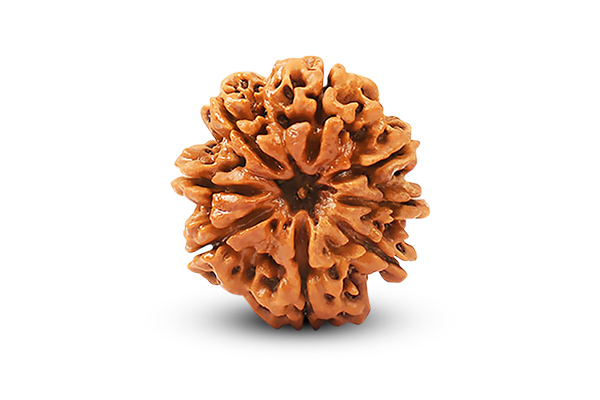
- Click on the link to buy 8 Mukhi Rudraksha
https://www.rudraksha-ratna.com/k/8-mukhi-rudraksha
- Ganesh Yantra: For success, wisdom, and protection from difficulties.
-
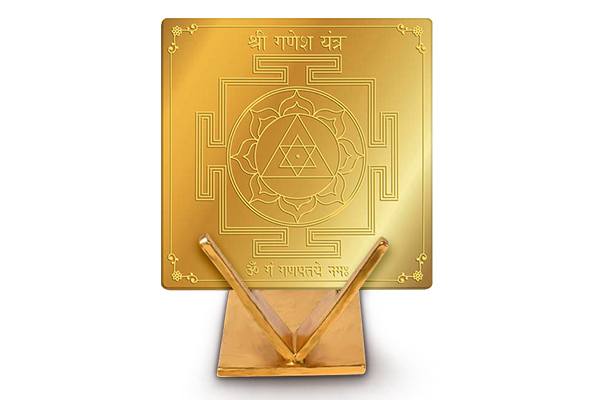
Click on the link to buy Ganesh Yantra
https://www.rudraksha-ratna.com/buy/ganesh-yantra
- Ganesh Idols & Statues: Ideal for daily worship and Sankashti Chaturthi puja at home.
-
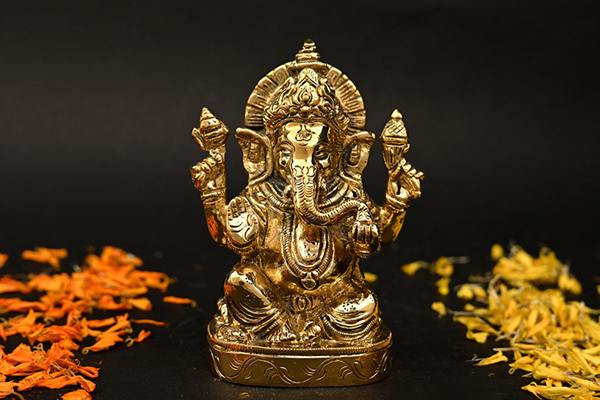
Click on the link to buy Ganesha Idols
https://www.rudraksha-ratna.com/k/ganesha-idols
- Ganesh Lockets & Rosaries: To keep the divine energy of Ganesha close throughout the day.
-

Click on the link to buy Ganesha lockets
https://www.rudraksha-ratna.com/k/ganesha-lockets
- Ganesh Puja Services: Personalized pujas conducted by experienced priests to invoke Lord Ganesha’s blessings for health, wealth, and fulfilment of desires.
-
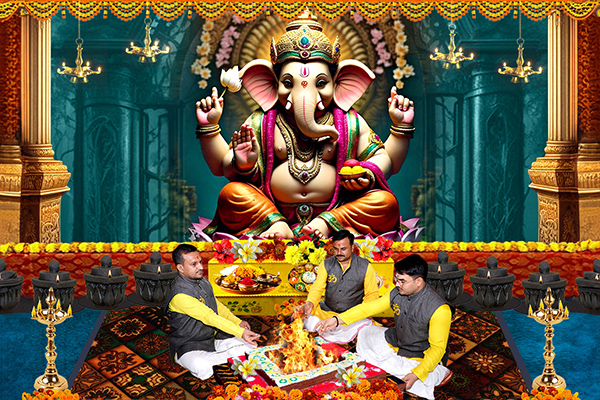
Click on the link to buy Ganesha Puja
https://www.rudraksha-ratna.com/buy/ganesh-puja-for-health-of-children
-in-Astrology.jpg)
.jpg)


Comments 0
Leave your thought here