

Sindoor, the striking red vermilion applied along the hair parting of married Hindu women, is one of the most recognizable and sacred symbols of Indian culture. Far beyond being an adornment, it carries layers of meaning- spiritual, cultural, and scientific. From ancient scriptures to living traditions, sindoor signifies auspiciousness, divine energy, marital commitment, and the blessings of Goddess Shakti herself.
Applied first during the wedding ceremony in the ritual known as Sindoor Dana, it marks the woman’s new journey as a wife and as a carrier of sacred responsibility in her household. For centuries, it has been revered not only as part of the Solah Shringar (sixteen adornments of a married woman) but also as a reminder of love, protection, and longevity of the husband. Modern research has even linked its traditional ingredients like turmeric and herbal blends to calming effects on the mind and hormonal balance.
Thus, sindoor stands as a powerful intersection of devotion, beauty, science, and symbolism- a living tradition that continues to define the identity and spiritual strength of Indian women.
What is Sindoor? Meaning, Ingredients, and Colours
Sindoor, also known as vermilion, is a bright red cosmetic powder traditionally applied by married Hindu women in the parting of their hair, called the maang . It is considered one of the most sacred symbols of marriage in Indian culture, representing auspiciousness, devotion, and feminine power.
Traditionally, sindoor is prepared from natural substances. In older times, a mixture of turmeric and alum was processed to create a red-orange shade, sometimes enhanced with herbal ingredients. Mercury was occasionally blended into sindoor, believed to stimulate mental alertness, calm stress, and regulate emotional balance by acting on the crown area of the head. In modern practice, however, many women prefer herbal or turmeric-based kumkum to avoid the side effects of chemical-based powders.
Sindoor is usually red, but the exact shade can vary from bright crimson to deep maroon depending on the region and the ingredients used. The colour red holds great symbolic value in Hindu tradition- it is the colour of love, passion, fertility, and the Goddess Shakti, who embodies divine feminine energy.
While today sindoor may also appear in cosmetic forms like liquid sticks or herbal pastes, its essence remains unchanged: a sacred marker of marital devotion and the protective blessings of the Divine.
Scriptural and Mythological Roots of Sindoor
The use of sindoor is not just cultural- it is sanctified by stories from Hindu scriptures and epics that highlight its divine and symbolic value.
Goddess Parvati and the Power of Shakti
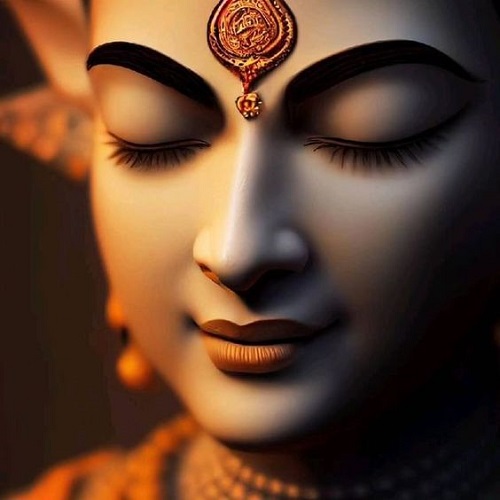
In mythology, Goddess Parvati, the eternal consort of Lord Shiva, is often depicted with sindoor adorning her maang. This act became a model for married women, symbolizing devotion, auspiciousness, and the desire for their husband’s long life. Sindoor is thus directly associated with Shakti, the divine feminine energy that sustains creation.
Sita in the Ramayana
Sita Devi, wife of Lord Rama, is described in the Ramayana as applying sindoor as an expression of her love, reverence, and commitment to her husband. Her example elevated sindoor to a sacred marital symbol for all Hindu women.
Draupadi in the Mahabharata
The Mahabharata too contains references to Draupadi, wife of the Pandavas, wearing sindoor. Her role as a devoted wife and queen further strengthened the sindoor’s association with fidelity, strength, and grace.
Radha and Divine Love
In Vaishnava traditions, Radha, the divine consort of Lord Krishna, is also linked with sindoor. This highlights sindoor not only as a marital symbol but also as a sign of pure, selfless love and spiritual union.
Sindoor in the Soundarya Lahari
The revered text Soundarya Lahari, attributed to Adi Shankaracharya, glorifies the beauty of the Goddess and refers to the adornment of sindoor as part of her divine aura. This emphasizes the sindoor’s spiritual role in enhancing feminine divinity and grace.
Other Scriptural Mentions
- The Shiva Purana describes sindoor as one of the adornments pleasing to Goddess Parvati.
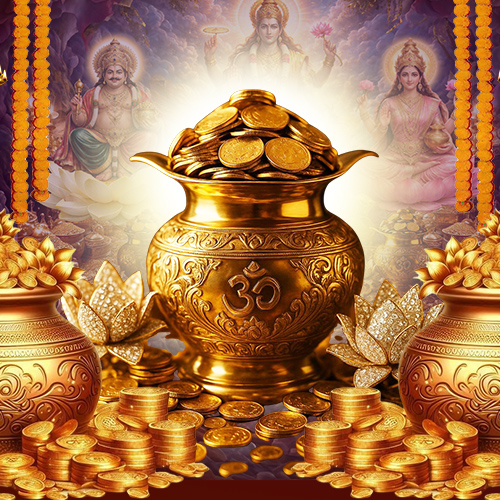
- Puranic traditions also mention sindoor as an offering in worship of Goddess Lakshmi and other forms of Devi, signifying prosperity and blessings.
- In several regional traditions, sindoor is applied to idols of goddesses during rituals, connecting it directly to divine energy.
From these references, it is clear that sindoor is far more than a cosmetic- it is a sacred marker of love, power, and protection, rooted deeply in scriptural authority and mythological tradition.
Symbolism of Sindoor in Hindu Marriage
Sindoor holds a central place in Hindu weddings and continues to be one of the most visible signs of a married woman. Its symbolism is layered with spiritual, cultural, and emotional meaning.
Part of the Solah Shringar
In Indian tradition, a married woman is adorned with Solah Shringar- sixteen forms of beautification that signify her marital status and auspiciousness. Sindoor is among the most important of these, representing prosperity, fertility, and divine protection.
Sindoor Dana: The Wedding Ritual
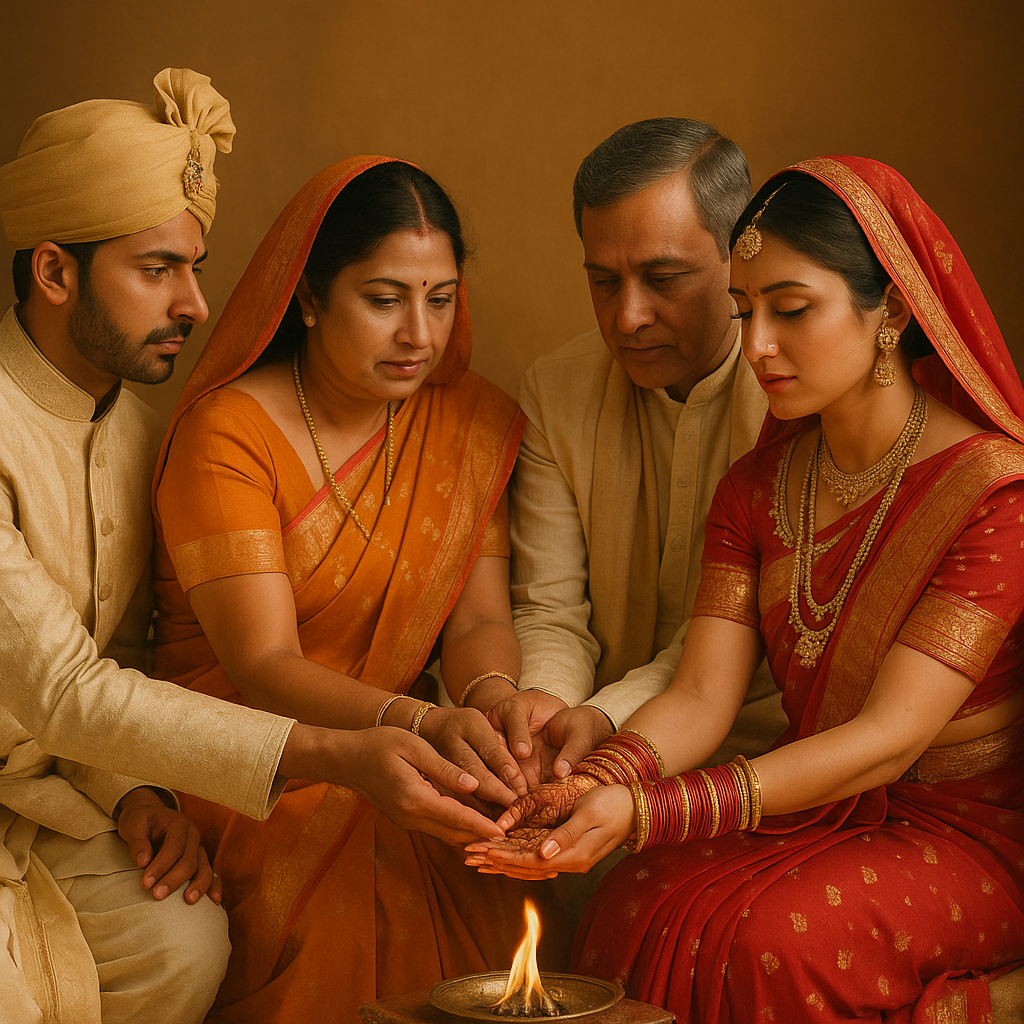
The first application of sindoor takes place during the marriage ceremony in the ritual known as Sindoor Dana. The groom applies sindoor in the bride’s maang, signifying the beginning of her new role as wife. This sacred act is considered a vow of protection, love, and companionship, with the sindoor marking her as blessed and bound by sacred matrimony.
Longevity of the Husband
Traditionally, women wear sindoor as a prayer for the long life and well-being of their husbands. Just as widows discontinue sindoor after their spouse’s passing, married women apply it daily as an expression of love, loyalty, and the desire for their husband’s continued health and vitality.
Sign of Saubhagya (Good Fortune)
Sindoor is also called a saubhagya alankar- a sign of auspiciousness and good fortune. It symbolizes a woman’s complete state of marital bliss, her partnership with her husband, and her embodiment of Goddess Parvati’s grace and power.
In every Hindu household, the red streak in the parting of a woman’s hair is not just an adornment; it is a sacred reminder of her vows, her role in sustaining family harmony, and her connection to the Divine feminine.
Spiritual and Energetic Significance of Sindoor
The application of sindoor is not only symbolic but also deeply spiritual, connecting the physical body with subtle energy centres.
Applied on the Brahmarandhra
Sindoor is placed along the central parting of the hair, at the top of the head where the Brahmarandhra lies- considered the gateway to higher consciousness. In yogic science, this is the crown chakra (Sahasrara), the seat of divine energy. By adorning this point with sindoor, a woman symbolically channels spiritual awareness while inviting divine blessings into her life.
Association with Goddess Shakti
The red hue of sindoor is directly linked to Goddess Shakti, the source of strength, fertility, and protection. Wearing sindoor is believed to invoke the blessings of the Goddess, ensuring vitality and auspiciousness in a woman’s married life.
The Sacred Color Red
In Hindu tradition, red is the colour of life force- symbolizing love, passion, energy, and fertility. It is also the colour of blood, the essence of life itself. By applying red sindoor, a woman embodies these qualities, expressing devotion, strength, and her role as the sustainer of family and society.
A Daily Spiritual Reminder
Each time sindoor is applied, it acts as a mindful reminder of a woman’s sacred duty, to live with devotion, harmony, and balance. It is not just a mark of marriage but a spiritual declaration of inner strength and divine grace.
Scientific and Ayurvedic View of Sindoor
While sindoor is deeply spiritual, it also has a scientific and Ayurvedic side. The effect of sindoor depends a lot on what it is made from.
Traditional Ingredients
There are two main types of sindoor:
Herbal Kumkum: Often made by mixing turmeric with natural lime. The combination turns turmeric into a deep red color. This kind of sindoor is safe and is still used in many homes today.
Mineral Sindoor: Made from a pigment called cinnabar, which contains mercury sulfide. In the past this was common, but modern research shows it can be unsafe, as it may also be mixed with harmful chemicals like lead.
Safety Concerns
In recent years, tests have shown that some commercial sindoor brands contain dangerous levels of lead and mercury. These can be harmful if used regularly. That is why many health experts advise using only herbal or turmeric-based sindoor from trusted sources. Choosing safe, natural products ensures that the tradition is followed without health risks.
Ayurvedic View
In Ayurveda, sindoor or kumkum is considered purifying and protective. It is also seen as a way to energize the mind and body when applied to the crown of the head. Ayurveda sometimes uses minerals in medicine, but those are carefully purified and prepared under strict guidelines- very different from cosmetic powders sold in the market.
Energy and Wellness
Sindoor is applied on the maang, the line of hair parting that touches the crown of the head. This place is called the Brahmarandhra in yogic tradition, considered a gateway of divine energy. Spiritually, applying sindoor here is believed to bring focus, calmness, and auspicious vibrations. While modern science does not confirm direct effects on glands or hormones, the act itself carries a symbolic and meditative benefit.
The Simple Conclusion
The safest sindoor is the one made from natural ingredients like turmeric and lime. Herbal kumkum not only carries the traditional and spiritual meaning but also avoids the risks that come with chemical or heavy-metal powders.
Historical and Cultural Evolution of Sindoor
The tradition of sindoor is not a recent custom. Its roots stretch back thousands of years, making it one of the oldest and most enduring symbols of Indian culture. From the earliest civilizations to today’s festive rituals, sindoor has evolved in meaning and practice, yet has always represented auspiciousness, divine energy, and the sacred bond of marriage.
Indus–Harappan Beginnings
Archaeological findings from the Indus Valley Civilization show the use of red pigments like cinnabar, and many female figurines from that era have a marked central parting in their hair. This suggests that the practice of adorning the maang with red color could be one of the earliest forms of sindoor.
Vedic and Classical Periods
With the growth of Hindu traditions, sindoor became strongly tied to the idea of saubhagya (married good fortune). It was included in the Solah Shringar- the sixteen adornments of a married woman- and came to symbolize prosperity, fertility, and the blessings of Goddess Shakti.
Regional Expressions
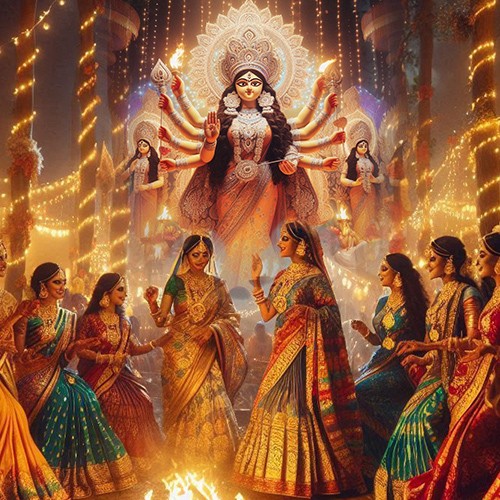
Sindoor took on different forms across India. In North India, it became the most visible sign of marriage, with women applying it daily along their hair parting. In South India, sindoor was less common in daily life, but women still wore it during weddings and festivals, with the mangalsutra and toe rings often taking center stage. In Bengal, the famous ritual of Sindoor Khela during Durga Puja has become a powerful cultural symbol, where married women joyfully smear sindoor on each other to celebrate divine feminine power and marital bliss.
Festivals and Sacred Rituals
Beyond everyday use, sindoor is central to important ceremonies. During weddings, the groom first applies sindoor in the bride’s hair parting in the ritual of Sindoor Dana. During Karwa Chauth, Navratri, and other festivals, sindoor is applied as a prayer for the husband’s long life and family well-being. In Durga Puja, sindoor becomes an offering to the Goddess herself before being shared among women.
Materials Over Time
Historically, sindoor was made in two main ways. One was from turmeric mixed with lime to create a deep red shade, and the other was vermilion made from cinnabar. Both gave sindoor its bright, life-filled colour. While herbal forms remain safe and widely used today, the colour red has always symbolized life force, love, energy, and victory which is why sindoor continues to be so powerful in meaning.
Modern Relevance and Choices of Sindoor
In today’s world, the application of sindoor continues to hold strong cultural and emotional significance, but its practice has also evolved. For many women, it remains a proud daily ritual symbolizing marriage, blessings, and divine protection. For others, it is worn mainly during festivals, religious ceremonies, or special occasions.
Modern discussions also highlight the element of choice- some women continue the tradition wholeheartedly, while others see it as symbolic rather than mandatory. Despite these changes, sindoor is still recognized globally as one of the most distinctive symbols of Indian womanhood and an enduring connection to India’s spiritual roots.
At Rudra Centre, devotees can find a wide range of authentic sindoor prepared in the traditional way, ensuring purity and safety for daily use as well as for sacred rituals.
Click on the link to buy Sindoor from Rudra Centre
-in-Astrology.jpg)
.jpg)


Comments 0
Leave your thought here