

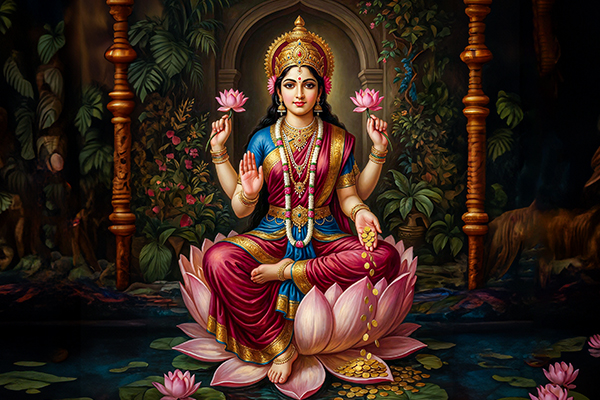
Lakshmi Jayanti is a sacred festival that commemorates the birth anniversary of Goddess Lakshmi, the revered deity of wealth, prosperity, and spiritual well-being in Hinduism. It is believed that Goddess Lakshmi emerged during the cosmic event of Samudra Manthan (the churning of the celestial ocean of milk), bringing forth divine blessings of abundance and harmony to the universe.
In 2025, this festival falls on Thursday, March 13th , and is predominantly observed in South India, where devotees honor Lakshmi Devi through elaborate rituals, devotional offerings, and prayers in beautifully adorned temples dedicated to her. Though less known in northern India, the festival underscores not only material prosperity but also the importance of spiritual enrichment, reminding devotees to cultivate virtues such as generosity, kindness, and gratitude for a balanced and fulfilling life.
Festival Date, Time, Muhurat & Tithi
Lakshmi Jayanti will be observed on Tuesday, March 3, 2026.
Phalguna Purnima (Full Moon Day) in the Phalguna month as per the lunar calendar.
Key Timings for Lakshmi Jayanti 2026:
- Purnima Tithi Begins - 05:55 PM on Mar 02, 2026
- Purnima Tithi Ends - 05:07 PM on Mar 03, 2026
Note: Sunrise and sunset vary by region and date due to India's geographical diversity. For exact timings, refer to local astronomical data.
Significance & Importance of Lakshmi Jayanti
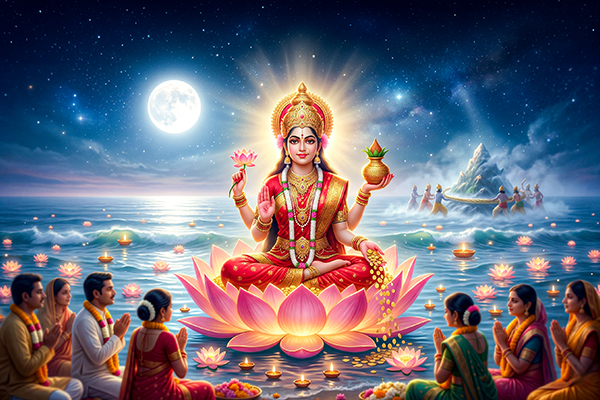
The significance of Lakshmi Jayanti lies in its celebration of the divine essence of Lakshmi Devi, who represents wealth, prosperity, and auspiciousness, not only in material terms but also in the realms of spiritual growth and inner fulfillment. As the embodiment of abundance, she symbolizes the harmonious balance between worldly prosperity and spiritual enrichment, reminding devotees that true wealth transcends material possessions and lies in virtues such as compassion, humility, gratitude, and righteousness.
Lakshmi Jayanti is deeply rooted in the cosmic event of Samudra Manthan (the churning of the ocean of milk), a sacred episode that highlights the triumph of perseverance and devotion in seeking divine blessings. The emergence of Lakshmi Devi during this celestial event signifies the manifestation of fortune and well-being as rewards for collective effort and moral conduct. Her association with the full moon day ( Purnima ) of the Phalguna month and the auspicious Uttara Phalguni Nakshatra further enhances the festival's sanctity, as these celestial alignments are believed to channel powerful spiritual energies that aid in the attainment of prosperity and spiritual clarity.
On this day, devotees invoke the blessings of Goddess Lakshmi through rituals, prayers, and offerings to align themselves with her divine qualities. Worshiping her is not merely a plea for material abundance but an act of seeking wisdom to lead a balanced and virtuous life. Lakshmi Jayanti serves as a reminder that wealth, when used righteously, becomes a means to support dharma (righteous living) and to contribute to the well-being of society.
Spiritually, it inspires individuals to embrace gratitude and selflessness, to renounce greed and ego, and to foster contentment and inner peace. Thus, the festival is a profound occasion to reflect on the interconnectedness of material success, ethical values, and spiritual evolution, emphasizing the holistic prosperity that comes from a life in harmony with divine principles.
Therefore, the deep spiritual importance of Lakshmi Jayanti lies in its profound message of aligning material pursuits with spiritual values, serving as a reminder that true prosperity stems from the grace of the Divine and is meant to be used for higher purposes. Her worship on this auspicious day encourages devotees to look beyond transient material gains and seek the inner wealth of virtues such as contentment, self-discipline, and devotion. The festival symbolizes the divine interplay of material and spiritual realms, teaching that wealth attained through righteous means and used for the greater good becomes an instrument of spiritual growth.
Story of Lakshmi Jayanti Festival

The most well-known story associated with Lakshmi Jayanti is her divine emergence during the Samudra Manthan , the great churning of the ocean of milk by the gods (Devas) and demons (Asuras). This epic event, described in the Puranas , was a collaborative effort to extract Amrita (the nectar of immortality) from the cosmic ocean. As the churning progressed, several divine gifts and beings arose from the depths of the ocean, including Goddess Lakshmi, who emerged radiant, seated on a lotus, and holding symbols of prosperity and fortune. Her arrival marked a turning point in the event, as her blessings brought balance and harmony. Lakshmi chose Bhagwan Vishnu, the preserver of the universe, as her consort, symbolizing the union of wealth and preservation, and her blessings ensured prosperity and order in the cosmos.
Lakshmi’s Blessing to King Bali
Another story associated with Lakshmi Devi highlights her compassion and protective nature. After Bhagwan Vishnu, in his Vamana avatar, subdued the demon king Bali and sent him to the netherworld (Patal Lok), Lakshmi Devi intervened to ensure his well-being. Disguised as a humble woman, she visited King Bali and tied a sacred thread ( rakhi ) on his wrist, making him her brother. In return, Bali promised to protect her and ensure her devotees' prosperity. This story signifies the Goddess's role as a nurturer and protector of those who remain devoted and uphold righteousness.
How to Celebrate Lakshmi Jayanti
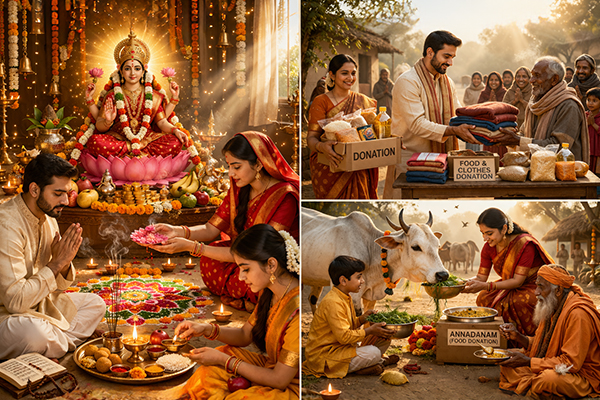
On the auspicious occasion of Lakshmi Jayanti, devotees celebrate the birth of Lakshmi Devi with devotion and reverence, seeking her blessings for wealth, prosperity, and spiritual well-being. The day is marked by a series of sacred rituals and practices that honor the divine presence of Lakshmi Devi and invoke her blessings for harmony and abundance.
The celebrations begin with devotees taking a holy bath early in the morning, ideally during the auspicious Snan Muhurat . This ritual act is believed to cleanse the mind, body, and soul, enabling devotees to approach the day’s ceremonies with purity, focus, and devotion.
Worshiping Lakshmi Devi is the central aspect of the day, with devotees meticulously preparing their homes and altars to welcome her divine grace. The idol or image of Lakshmi Devi is adorned with fresh flowers, garlands, and symbolic offerings such as gold, silver, or coins, which signify prosperity.
The puja is performed with devotion, offering flowers, fruits, sweets, and incense to the deity. The chanting of sacred hymns, including the Lakshmi Ashtottara Shatanamavali (108 names of Lakshmi Devi), and the recitation of Vedic mantras fill the air with divine vibrations. Lighting oil lamps and creating intricate rangolis enhance the sanctity of the space, symbolizing the dispelling of darkness and the arrival of light and fortune.
Acts of charity hold a significant place in Lakshmi Jayanti celebrations. Devotees are encouraged to donate generously to the needy, sharing their blessings as an expression of gratitude to Lakshmi Devi. Offering food, clothing, and monetary help to the less fortunate is believed to please her, as she embodies compassion and selflessness. Feeding cows and performing Annadanam (offering food) to Brahmins and the poor are considered particularly auspicious, reinforcing the virtue of generosity as an essential path to divine blessings.
Fasting is another important observance on this day, undertaken as a means of demonstrating self-discipline, devotion, and spiritual focus. Devotees refrain from consuming grains and heavy foods, instead opting for fruits, milk, and light vegetarian meals. The fast is observed throughout the day and is broken in the evening after performing the Lakshmi Puja, allowing devotees to conclude their observance with prayers and offerings to Lakshmi Devi.
Temples dedicated to Lakshmi Devi are adorned with flowers, lights, and vibrant decorations, creating an atmosphere of divine celebration. Grand rituals, including abhishekam (ritual bathing of the deity with milk, honey, and holy water), are performed, followed by devotional singing and processions. These temple festivities provide an opportunity for collective worship and allow devotees to immerse themselves in the spiritual joy of the occasion.
Lakshmi Jayanti is a profound reminder to cultivate spiritual wealth and align oneself with the values that Lakshmi Devi embodies—gratitude, generosity, and humility. Through these rituals and practices, devotees seek her blessings not only for abundance in their external lives but also for inner peace, wisdom, and the strength to uphold righteousness in their daily endeavors.
Lakshmi Jayanti Festival Puja Vidhi (Puja Procedure)
_215690.jpg)
The Lakshmi Jayanti Puja is a sacred and elaborate ritual performed to honor the birth anniversary of Lakshmi Devi, the goddess of wealth, prosperity, and spiritual abundance. The puja vidhi involves several steps that are conducted with devotion and precision to invoke her blessings. Below is the complete procedure:
Preparations Before the Puja
- Before beginning the puja, devotees prepare themselves and their surroundings to create a sacred and harmonious atmosphere:
- Wake up early in the morning, preferably during the Brahma Muhurta (before sunrise), and take a holy bath. The bath signifies the purification of the body, mind, and soul.
- Clean the house thoroughly, paying special attention to the puja room or the altar. Sprinkle Ganga Jal (holy water) in all corners of the house to purify the environment.
- Decorate the altar with fresh flowers, garlands, and colorful rangoli . Light oil lamps to symbolize the dispelling of darkness.
- Place an idol or picture of Lakshmi Devi on a clean platform or chauki covered with a red or yellow cloth, as these colors are considered auspicious.
Kalash Sthapana (Establishing the Sacred Pot)
- Place a kalash (sacred pot) filled with water, a few grains of rice, betel leaves, and a coin on the altar.
- Cover the kalash with a coconut wrapped in a red cloth and tied with a sacred thread.
- Decorate the kalash with sandalwood paste, turmeric, and vermilion (kumkum), symbolizing Lakshmi Devi’s divine presence.
Invocation of Lakshmi Devi (Dhyana and Avahana)
- Sit facing east or north and begin the puja by meditating on Lakshmi Devi to invite her presence.
- Chant the following dhyana mantra or any other Lakshmi mantra to invoke her: 'Om Mahalakshmyai Cha Vidmahe Vishnu Patnyai Cha Dheemahi, Tanno Lakshmi Prachodayat.'
Offering Items to Lakshmi Devi
- Panchamrit Abhishekam: If performing abhishekam for an idol, bathe the idol with panchamrit (a mixture of milk, curd, honey, ghee, and sugar) and then with clean water. Wipe the idol gently with a clean cloth.
- Offer Lakshmi Devi shringar items: Apply sandalwood paste (chandan), vermilion (kumkum), turmeric, and akshat (uncooked rice) on the idol.
- Offer flowers, garlands, and lotus flowers, as the lotus is particularly dear to Lakshmi Devi.
- Place fruits, sweets (like ladoos or kheer), coconut, and a variety of grains as offerings before the deity.
- Light incense sticks and lamps, preferably made of ghee, to create a sacred ambiance.
Recitation of Lakshmi Ashtottara Shatanamavali
Chant the Lakshmi Ashtottara Shatanamavali (the 108 names of Lakshmi Devi) with devotion, offering a flower or a few grains of rice for each name as you recite. This chant is believed to please the Goddess and invoke her blessings.
Lakshmi Puja Aarti
- Perform the aarti of Lakshmi Devi with a lit camphor lamp or ghee lamp, moving it in a clockwise direction in front of her idol or picture.
- Sing the Lakshmi Aarti or any devotional hymn dedicated to her. Popular aarti lyrics include 'Om Jai Lakshmi Mata', which glorifies her divine qualities.
- Ring bells gently while performing the aarti, as this is believed to attract positive vibrations and dispel negativity.
Offering Naivedya (Sacred Food)
- Offer the prepared sweets, fruits, and grains as naivedya (sacred food) to Lakshmi Devi.
- After a short while, distribute the prasad among family members and devotees present.
Charity and Donations
On Lakshmi Jayanti, performing acts of charity is considered highly auspicious. Donate food, clothes, or money to the needy and feed Brahmins and cows. These acts are believed to please Lakshmi Devi and attract her blessings.
Fasting and Breaking the Fast
Many devotees observe a fast on Lakshmi Jayanti, consuming only fruits, milk, and light vegetarian food throughout the day. The fast is broken after the evening puja by partaking in the sacred prasad .
Concluding the Puja
- Conclude the puja by expressing gratitude to Lakshmi Devi for her blessings. Fold your hands, bow before her idol, and seek her continued grace for prosperity and spiritual growth.
- Chant the Shanti Path (peace invocation) to end the rituals on a harmonious note.
By performing the Lakshmi Jayanti puja with devotion and following this procedure, devotees aim to invite the divine presence of Lakshmi Devi into their homes and lives, seeking her blessings for material prosperity, spiritual fulfillment, and overall well-being.
Lakshmi Jayanti Puja Mantras
The chanting of mantras is a vital part of Lakshmi Jayanti Puja, as it invokes the divine presence of Lakshmi Devi and channels her blessings for prosperity, abundance, and spiritual growth. Below are the key mantras to be recited during the puja, each with its specific significance:
Dhyana Mantra (Meditation Mantra)
This mantra is chanted to meditate on Lakshmi Devi and invite her divine presence into the puja.
ॐमहालक्ष्म्यैचविद्महेविष्णुपत्नीचधीमहि।
तन्नोलक्ष्मीःप्रचोदयात्।।
Transliteration:
Om Mahalakshmyai Cha Vidmahe Vishnu Patnyai Cha Dheemahi, Tanno Lakshmi Prachodayat.
Meaning:
We meditate upon Mahalakshmi, the consort of Bhagwan Vishnu. May that Lakshmi inspire and illuminate our intellect.
Lakshmi Gayatri Mantra
This mantra invokes Lakshmi Devi's divine blessings and protection:
ॐश्रीमहालक्ष्म्यैचविद्महेविष्णुपत्नीचधीमहि।
तन्नोलक्ष्मीःप्रचोदयात्।।
Transliteration:
Om Shreemahalakshmyai Cha Vidmahe Vishnu Patnyai Cha Dheemahi,Tanno Lakshmi Prachodayat.
Meaning:
We meditate upon Sri Mahalakshmi, the supreme Goddess and consort of Bhagwan Vishnu. May she bless us with wisdom, wealth, and prosperity.
Shri Lakshmi Mantra
This mantra is recited to attract abundance and remove obstacles to prosperity:
ॐश्रींह्रींश्रींकमलेकमलालयेप्रसीदप्रसीद।
ॐश्रींह्रींश्रींमहालक्ष्म्यैनमः।।
Transliteration:
Om Shreem Hreem Shreem Kamale Kamalalaye Praseeda Praseeda,Om Shreem Hreem Shreem Mahalakshmyai Namah.
Meaning:
O Goddess Lakshmi, the one who resides in the lotus, be pleased with me. I bow to you, Mahalakshmi, the bestower of abundance.
Lakshmi Stuti (Praise of Lakshmi Devi)
This hymn glorifies Lakshmi Devi and her divine qualities:
नमस्तेऽस्तुमहामायेश्रीपीठेसुरपूजिते।
शङ्खचक्रगदाहस्तेमहालक्ष्मिनमोऽस्तुते।।
Transliteration:
Namastestu Mahamaye Shree Pithe Sura Poojite,Shankha Chakra Gada Haste Mahalakshmi Namo’stu Te.
Meaning:
Salutations to Mahalakshmi, the great Goddess who resides on the divine lotus, worshipped by the gods. Oh one who holds the conch, discus, and mace in her hands, we bow to you.
Shanti Mantra (Concluding Peace Prayer)
End the puja with this peace mantra:
ॐशान्तिःशान्तिःशान्तिः।।
Transliteration:
Om Shantih Shantih Shantih.
Meaning:
May there be peace in the heavens, peace on earth, and peace in the soul.
By reciting these mantras during the Lakshmi Jayanti Puja, devotees not only seek the divine blessings of Lakshmi Devi but also purify their minds and create an environment of positivity and prosperity. Each mantra carries immense spiritual energy and significance, making the puja a transformative experience.
Lakshmi Jayanti Vrat Vidhi (Fasting Procedure)
_215688.jpg)
The Lakshmi Jayanti Vrat invokes the blessings of Lakshmi Devi, the goddess of wealth and prosperity, and promotes spiritual discipline and mental clarity. By abstaining from indulgences and focusing on devotion, the vrat purifies the mind, body, and soul and aligns devotees with divine abundance and harmony. It promotes self-control, generosity, and gratitude, which promote inner peace and material and spiritual success.
Preparations for the Vrat
Lakshmi Jayanti Vrat begins with an early morning routine of purification and preparation. Devotees wake up before sunrise and take a holy bath to cleanse the body and mind. The house is cleaned thoroughly, and Ganga Jal (holy water) is sprinkled throughout the premises to create a sanctified atmosphere. Devotees dress in clean, preferably traditional, attire and prepare a sacred space or altar for the puja, adorned with fresh flowers, lamps, and an image or idol of Lakshmi Devi.
Sankalp (Vow to Observe the Fast)
After preparing for the day, devotees sit in front of the altar and take a sankalp (vow) to observe the fast with devotion and sincerity. The sankalp is made by folding hands, closing eyes, and praying to Lakshmi Devi, seeking her blessings for success, prosperity, and spiritual growth. This vow marks the beginning of the fasting period.
Rules of the Fast
During the fast, devotees abstain from consuming grains, cereals, and non-vegetarian food. They typically follow a sattvic diet, consuming fruits, milk, and light vegetarian meals without onion or garlic. Some devotees choose to follow a nirjala vrat (a waterless fast), while others may drink water and consume limited fruits. The focus is on maintaining mental and physical discipline, along with devotion to Lakshmi Devi.
Puja and Prayer During the Fast
The day revolves around worshiping Lakshmi Devi. Devotees offer flowers, fruits, sweets, and lamps to the deity and chant mantras such as the Lakshmi Gayatri Mantra and Lakshmi Ashtottara Shatanamavali . Meditation and recitation of hymns dedicated to Lakshmi Devi are essential components of the vrat.
Breaking the Fast
The fast is traditionally broken after sunset, following the evening puja and aarti of Lakshmi Devi. Devotees partake in the prasad (sacred offerings) as the first meal after the fast. This marks the conclusion of the vrat, signifying the fulfillment of the devotee’s pledge and their connection with the divine.
By observing the Lakshmi Jayanti Vrat with devotion, purity, and discipline, devotees seek the blessings of Lakshmi Devi for material and spiritual prosperity, as well as overall well-being.
Lakshmi Jayanti Vrat Katha (Traditional Fasting Story)
_215689.jpg)
Once, in an ancient kingdom, there lived a poor Brahmin couple who were deeply devoted to Lakshmi Devi. Despite their hardships, they maintained unwavering faith and prayed daily for her blessings. One day, the Brahmin was approached by a sage who noticed their plight and inquired about their difficulties. The Brahmin explained that despite their devotion, they were constantly struggling with poverty and misfortune. The sage, moved by their sincerity, advised them to observe the Lakshmi Jayanti Vrat, dedicating the day to fasting, worship, and acts of kindness to honor Lakshmi Devi.
The Brahmin couple, eager to follow the sage's advice, prepared for the vrat on the auspicious day of Phalguna Purnima. They bathed early in the morning, cleaned their home, and set up a simple yet sacred altar with an image of Lakshmi Devi. With utmost devotion, they performed the puja, offered flowers, fruits, and sweets, and chanted the Lakshmi Ashtottara Shatanamavali. They observed a strict fast, abstaining from all grains and indulging only in meditation and prayers throughout the day.
As the day concluded, the couple distributed food and clothing to the poor, fulfilling the charitable aspect of the vrat. That night, Lakshmi Devi, pleased with their devotion and discipline, appeared in their dreams. She blessed them with unending prosperity and promised to reside in their home forever. The next morning, the Brahmin couple awoke to find their modest home transformed into a grand abode, filled with wealth and abundance. From that day onward, they lived a life of happiness and continued to observe the vrat annually to express their gratitude.
This story emphasizes the power of unwavering faith, selfless devotion, and righteous living. It teaches that observing the Lakshmi Jayanti Vrat with sincerity not only attracts material prosperity but also brings spiritual harmony and the eternal blessings of Lakshmi Devi.
Lakshmi Puja Kit

This Kit is ideally prepared with all the ingredients that would be needed for performing Lakshmi Puja. All the ingredients are natural, sacred and of high quality and would suffice for one elaborate puja.
Lakshmi Puja (Puja for Wealth and Prosperity)
_215687.jpg)
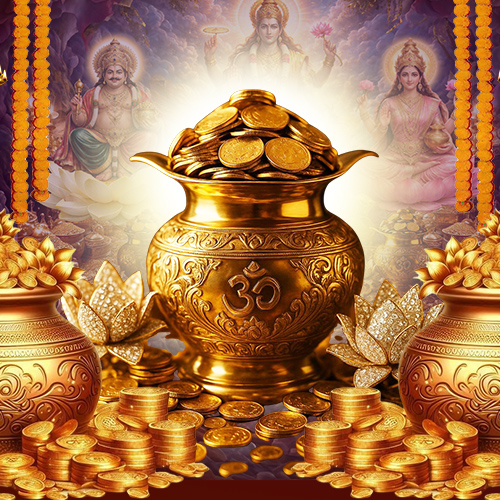
Lakshmi Puja is performed to invoke the divine presence of Goddess Lakshmi, seeking her blessings for wealth, prosperity, and abundance. Goddess Lakshmi governs material prosperity, fortune, and spiritual liberation, and a balanced connection with her energies enhances financial stability, self-knowledge, and well-being. This puja is especially beneficial for individuals seeking to resolve financial difficulties, eliminate obstacles to wealth, and attract success in business or investments.
Benefits of Online Mahalaxmi Puja
- Attracts wealth, abundance, riches and overall prosperity
- Brings purity and auspiciousness
- Helps in attaining blessings of Goddess Laxmi for reaching desired goals
- It helps in making one financially stable
- Offers success in all undertakings
Rudra Centre Puja Services is the oldest and most trusted Online Puja Services provider in the world. Over 20 years we have organized Yagnas, Pujas, Homas and Kathas like Ati Rudra Mahayajna, Sahasra Chandi Homa, Akhand Ramayan Paath, Shiva Maha Puran Katha, 4 Prahar Mahashivratri Mahapuja with teams of 100’s of curated priests for the benefit of mankind and our global clientele.
Conclusion
Lakshmi Jayanti is a profound celebration of divine abundance, spiritual balance, and the grace of Lakshmi Devi, the eternal source of prosperity and auspiciousness. This sacred day venerates the goddess who embodies wealth not only in material terms but also in virtues such as compassion, wisdom, and spiritual fulfillment. Through fasting, heartfelt prayers, and reverent acts of worship, devotees seek to align themselves with her divine energies, embracing the values of gratitude, self-discipline, and inner contentment. It is a day to reflect on the interconnectedness of material prosperity and spiritual growth, acknowledging that true wealth lies in living a life rooted in dharma and selflessness. As the sacred hymns resonate and the divine aura of Lakshmi Devi permeates the air, this auspicious occasion becomes a transformative moment of devotion and introspection, reminding us that lasting prosperity flows from faith, humility, and the pursuit of higher spiritual truths that elevate the soul.
-in-Astrology.jpg)
.jpg)


Comments 0
Leave your thought here