

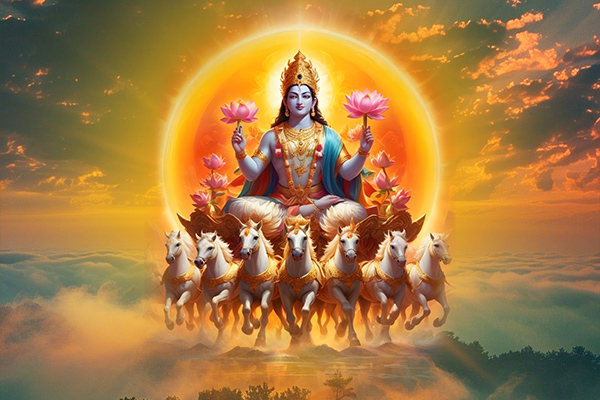
Makar Sankranti is a significant festival in India, celebrated during the Hindu month of Magha, aligning with January in the Gregorian calendar. This festival is a vibrant tapestry of cultures, showcasing the rich diversity of our society as various states and communities come together to celebrate in their own unique ways. Makar Sankranti is a joyful festival dedicated to Surya Dev, the Sun God.
Why Makar Sankranti is Celebrated
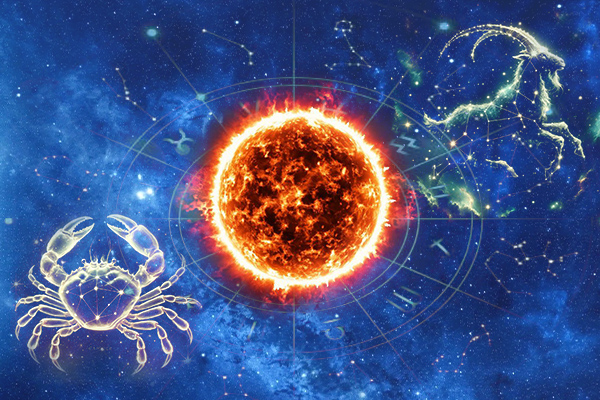
Makar Sankranti, also known as Uttarayana, is a festival of immense cultural, spiritual, and agricultural significance, celebrated with fervor across India and beyond. It marks the Sun’s transition into Capricorn (Makara) and its northward journey, symbolizing the onset of longer days, warmth, and positivity. This celestial event is deeply rooted in Vedic traditions, where Uttarayana is regarded as a period of spiritual enlightenment and growth. It is believed that acts of charity, prayers to Surya Dev (the Sun God), and holy river baths during this auspicious time purify the soul and usher in blessings.
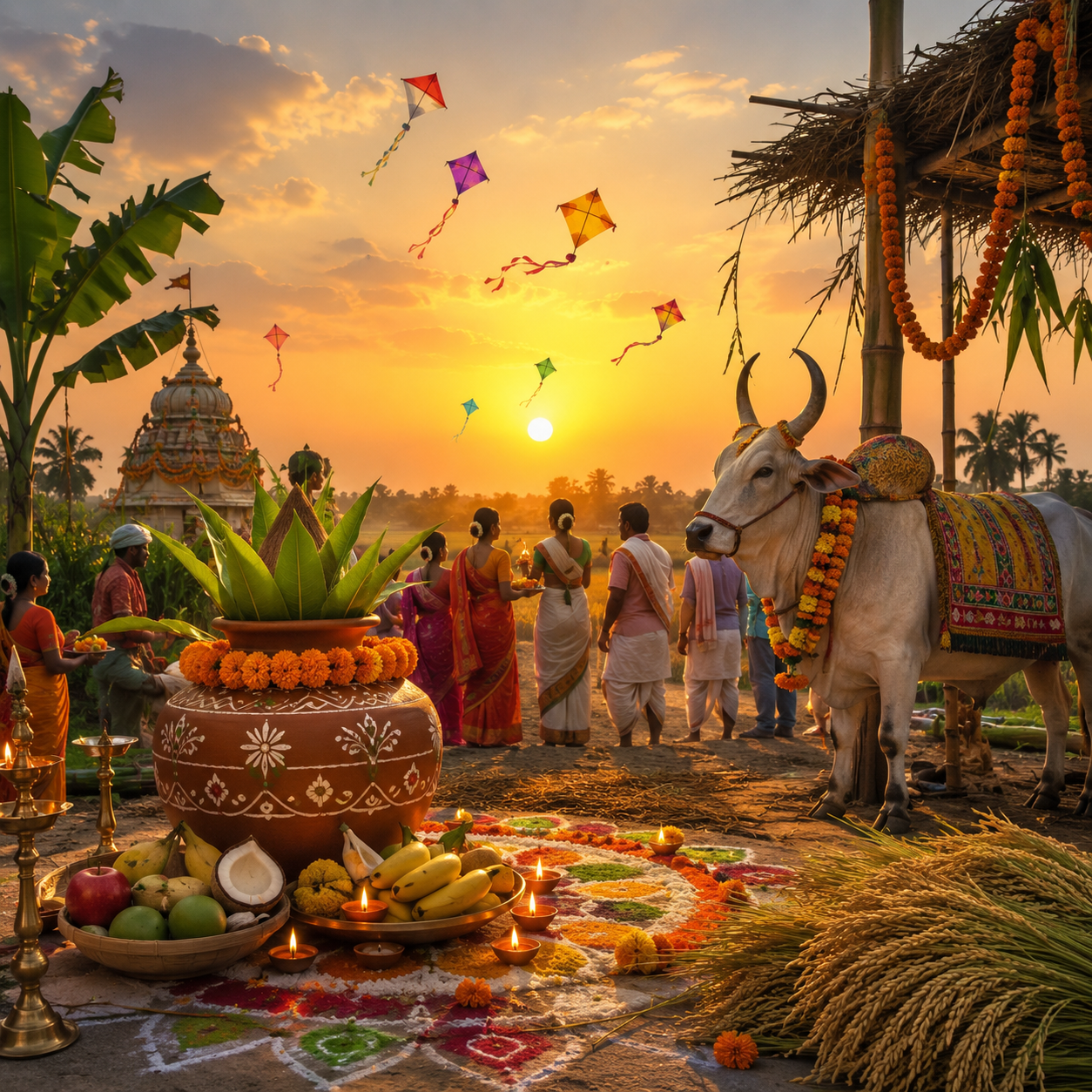
Festival Makar Sankranti celebrates the harvest season, reflecting gratitude to nature for abundance and prosperity. Farmers across India rejoice in the completion of hard work, with regional variations adding unique flavors to the celebrations. In Tamil Nadu, Pongal honors the Sun with offerings of milk and rice; in Gujarat, Rajasthan, and Maharashtra, vibrant kite-flying events fill the skies with joy; while Punjab’s Lohri and Assam’s Magh Bihu are marked by communal feasting and dancing. Rituals like consuming til (sesame) and gud (jaggery) highlight the warmth of relationships, while sharing food and alms fosters compassion and unity.
This festival is also one of the very few festivals which are observed as per the Solar cycle as generally Hindu calendar follows the lunar cycles. Hence, an interesting fact about Makar Sankranti is, it usually falls on the 14th or 15th of January, every year, with exception of certain years when it differs by a day or so. For the farmers, the importance of the Makar Sankranti celebration translates into celebrating the completion of the harvesting season. It can be called a festival of thanksgiving for the harvest, to Sun God. Makar Sankranti’s reason for celebration is the bounty of grains that are harvested. It is a festival of new beginnings.
Beyond festivities, Makar Sankranti symbolizes hope, renewal, and harmony with nature. The Sun’s journey northward inspires the triumph of light over darkness, knowledge over ignorance, and vitality over inertia. Its timeless philosophy invites us to embrace change, nurture relationships, and cultivate spiritual growth, making it not just a festival, but a reminder of life’s cyclical beauty and the transformative power of gratitude and positivity.
Festival Date, Time, Muhurat & Tithi
Key Timings for Makar Sankranti 2026:
Makara Sankranti on Wednesday, January 14, 2026
Makara Sankranti Punya Kala -
03:13 PM to 06:21 PM
Duration -
03 Hours 08 Mins
Makara Sankranti Maha Punya Kala -
03:13 PM to 05:04 PM
Duration -
01 Hour 51 Mins
Note: Devotees begin their Makar Sankranti rituals at sunrise, making it a key time for the day's observances. Sunrise and sunset vary by region and date due to India's geographical diversity. For exact timings, refer to local astronomical data.
How to celebrate Makar Sankranti
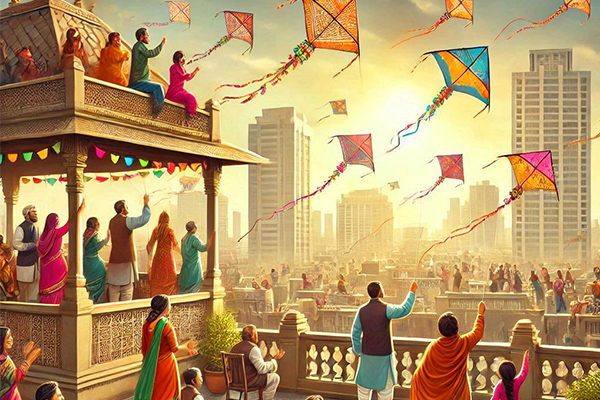
Every state of India celebrates Makar Sankranti with utmost happiness and zest. The daytime starts gradually increasing from this day onward. The Makar Sankranti celebrations are fun-filled, with the inclusion of activities like flying kites during the daytime under the winter sunlight. Furthermore, religious manuscripts cite numerous religious aspects of the festival, shedding light on its religious significance. Common customs are the preparation of Makar Sankranti special delicious sweets and performing the Makar Sankranti Puja Vidhi or Makar Sankranti rituals. Rice, til (sesame seeds), and jaggery (gud) are significant and common ingredients used to prepare sweets across India as part of Makar Sankranti rituals. These are offered to the Sun God and eaten enthusiastically on this festive day. Rice is to signify abundance and prosperity after the harvest season. Some people perform Makar Sankranti Homam to gain divine blessings from the Lord. On this day, Mela, or fairs, are organized, some of which are well-known ones like the Gangasagar Mela in West Bengal, Magha Mela in Allahabad/Prayag, and other Melas. The famous Kumbh Mela, which takes place every 12 years, starts on the day of Makar Sankranti.
Makar Sankranti Stories
.jpg)
According to Hindu mythological Scriptures, it is said that on the auspicious day of Makar Sankranti, Lord Surya pays a visit to his son, Lord Shani, who is recognized as the ruling Planet of the Sun sign Capricorn. Legend has it that their relationship was fraught with challenges due to numerous differences. This visit by Lord Surya to His Son symbolizes a joyful celebration of their strong bond, showcasing the beauty of their relationship despite any differences that may exist. It is said that when a father visits his son on this special day, any conflicts between them are resolved, paving the way for shared positivity, happiness, and prosperity.
One more captivating tale of Makar Sankranti revolves around the formidable Bhishma Pitamah from the Indian epic Mahabharata. He received a remarkable gift that allowed him to select the moment of his own passing. After the fierce Kurukshetra war, Bhisma, gravely injured and resting on a bed of arrows, patiently awaited the propitious moment of Uttarayan or Makar Sankranti to embrace his fate. Legend has it that those who pass away during this time attain salvation.
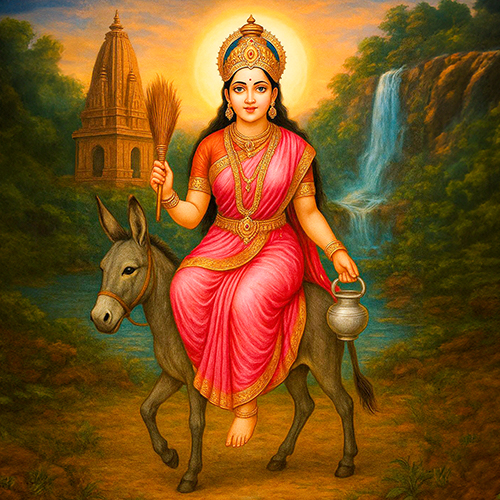
One captivating legend tied to Makar Sankranti tells of a demon named Sankarasur, who instilled fear in the hearts of the people on earth. On the vibrant day of Makar Sankranti, Goddess Sankranti, the divine embodiment of celebration, descended to earth and vanquished the demon Sankarasur.
Sankranti Snaan, Holy Dip In Holy Waters
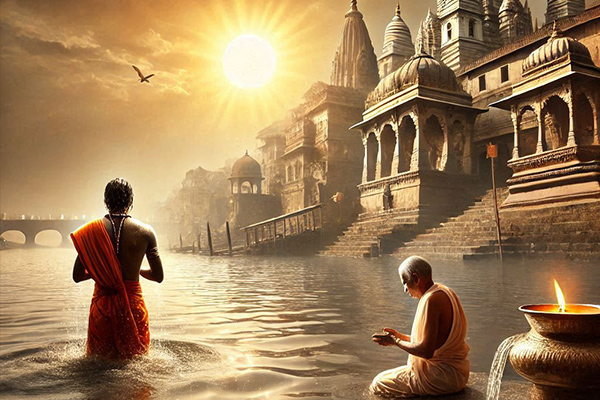
Scriptures suggest that on the day of Makar Sankranti one should take a holy bath and give donation (daan). Snaan or holy bath epitomizes purity and Satvikta (mode of goodness).One should offer water to the Sun while bathing. Sun entering the Capricorn sign increases the energies of the Sun that enter our body through the Sun rays.
Taking bath in the waters of Ganga is considered highly auspicious. Legend has it that Ganga descended on Earth due to severe austerity of Bhagirath. Ganga had a conjunction with the ocean for the retrieval of ocean. It is said that the day Ganga dissolved in the Ocean was the day of Makar Sankranti. As it may not be possible for many to take a dip in the River Ganga, you can mix a bit of Ganga jal in the water you are bathing with and chant this Mantra while bathing:
Things you can do on Makar Sankranti 2026
Makar Sankranti or Makar Sankramana is a day that denotes new beginnings, post Makar Sankranti day begins the auspicious time. The day has both religious and fun activities. Here are 5 things you may choose to do on Makar Sankranti.
- Offer water to Surya Deva while chanting Mantra.
- Donation is an important part of this festival. Donate Til Gud sweets, blankets, Rice Kheer etc. Donation on this day blesses you with abundance.
- Keep chanting Surya Mantra mentally throughout the day and keep thanking Him.
- Fly Kites with joy. Be in the Sunlight as the rays of the Sun help to boost immunity.
- Eat Rice based food items like Kheer, Dahi Chawal, etc.
Scientific Reason Behind Celebrating Makar Sankranti
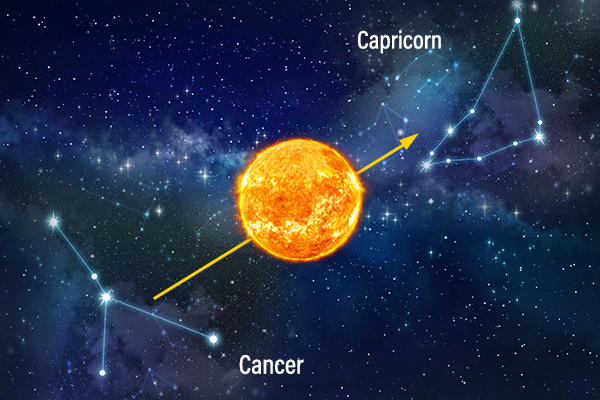
Many Hindu festivals, including Makar Sankranti, are rooted in scientific reasoning, closely tied to seasonal changes and natural phenomena. This festival celebrates the Sun, the central source of energy for Earth, vital for life and plant growth. The Solar system’s 360-degree cycle is divided into twelve zodiac signs, each spanning thirty degrees, with unique influences on Earth.
Makar Sankranti marks the Sun's transition into Capricorn (Makara), signifying the start of its northward journey, or Uttarayana ('Uttar' meaning north, 'Ayan' meaning movement). This shift brings longer days and a resurgence of solar energy, following the Sun’s descent and shorter days from July to December. The increased sunlight from January to May revitalizes life and marks India’s harvest season, celebrating nature’s abundance.
The tradition of flying kites on Makar Sankranti is scientifically significant, as it encourages people to bask in the sunlight, absorbing essential solar energy after winter's shorter days. This practice symbolizes the harmony between cultural festivities and the scientific importance of solar energy in sustaining life.
How to perform Makar Sankranti Puja Vidhi
Those who want to celebrate Makar Sankranti and conduct a holy puja at their home must consider the special Makar Sankranti Puja Vidhi. Please follow the below steps: Before you start the Puja, keep the Punya Kaal Muhurta or Uttarayanaa Punyakalam and Maha Punya Kaal Muhurta (mentioned above) in mind. Make sure all the images or idols are clean and properly placed in the Puja altar. This Puja will be conducted to seek blessings of Lord Surya, so keep his idol or image in your Altar.
- In a plate keep four black and four white Til Ladoos and Ghevar(a sweet). Keep some money on the plate.
- Among other ingredients are a mixture of rice flour and turmeric powder, Betel Nuts and Betel leaves, Holy water or Ganga jal, fresh flowers and incense sticks.
- Keep this plate of offering in front of the idol of Lord Surya. And start the Puja prayers.
- As per rituals, during the Puja, ladies must cover their heads with Dupatta or Saree's pallu.
- Chant the Surya mantra for minimum 21 times or 108 times.
Surya Mantra: Om Hram Hreem Hroum Sah Suryaya Namah
Some devotees wear 12 mukhi Rudraksha during the Puja or they start wearing it after energizing Rudraksha in Puja. Among gemstones Ruby is worn on this day. The Punya Kaal Muhurta is between 07:50 hrs to 18:17 hrs (IST)
Benefits Of Conducting Makar Sankranti Puja
The Consciousness or Cosmic intelligence increases to many levels, so by conducting Puja you can derive benefits of higher consciousness.
- The Spiritual emotion enhances the body and purifies it.
- The offerings done during this period yields successful results.
- It's a holy time to spread Spirituality and Dharma in society.
Where Is Makar Sankranti Celebrated
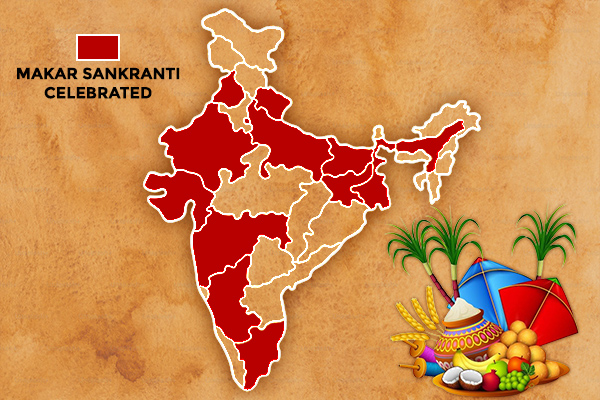
The auspicious Sankranti festival is celebrated in different ways across India, the purpose being the same, to pay obeisance to Sun God and thank for the rich harvest. Many people also celebrate this day by taking a dip in the Holy Ganga River reciting Gayatri mantra while offering traditional salutations to the Sun God.
Makar Sankranti Kite flying is an integral part of the festival in most regions, which is enjoyed by the children and adults, which gives it the name of Flying Kites festival. Some states have the Makar Sankranti ritual of worshipping cattle which they own on this day. The names and Makar Sankranti Puja Vidhi in each state are different.
- Gujarat - It is commonly called Uttarayana or Vasi Uttarayana in Gujarat. Flying colourful Kites, eating Makar Sankranti special dishes, like, Undhiyu, a tangy mixed vegetable dish with fresh winter vegetables and tasty Chikkis made of Til (Sesame), Peanuts and Jaggery are all part of Makar Sankranti Uttarayana in Gujarat. Makar Sankranti Kite Flying competitions are also held on this day in the state.
- Tamil Nadu - The festival is called Pongal in Tamil Nadu and celebrated over four days. Sweet Pongal made of Rice boiled in Milk with Jaggery or Sugar is the special dish. Sun God is offered Milk boiled with Jaggery on the second day of Pongal. The custom of discarding old clothes is part of the festival.
- Delhi, Uttar Pradesh, Uttarakhand - Makar Sankaranti is called Sakraat or Khichdi. Takinga holy dip in Allahabad, Varanasi in UP and Haridwar in Uttarakhand during Sun rise hours, flying kites, wearing new clothes, eating Til Gud Ladoo, Kichdi are integral part of the festival.
- Maharashtra - It is called Makar Sankranti in Maharashtra. The Makar Sankranti Sugad Pujan is a special Sankranti Puja in Maharashtra which is performed on this day at homes. Traditionally Sesame and Jaggery(Gud) Ladoos are prepared and distributed among friends and relatives. The phrase 'Tilgul ghya goad goad bola' is said to each other with the exchange of these sweets in means, have the sweet of Til and Gud and speak sweetly. Puran/Pooran Pauli a flat bread made with stuffing of Jaggery and Gram flour served with pure Ghee, Halwa is another Makar Sankranti special dish of the day. Women apply Haldi-Kumkum tika to each other and exchange Sankranti Vaan or gifts. Flying Kites is also a part of the Makar Sankranti in Maharashtra.
- Punjab - The festival of Makar Sankranti is celebrated as Maghi. A Bonfire is lit,men and women dance the traditional Bhangra. Kheer made of Rice, Milk and Sugar or Sugarcane juice is prepared at home, eaten and shared with friends and relatives. Gud and Khichdi are eaten as part of the Magi rituals.
- West Bengal - The festival is called Poush Sankranti, celebrated through three days. Taking a holy dip in the Ganga in the morning, offering water and worshipping Lord Surya early in the morning. Special dishes made of Rice flour, Coconut, Date Jaggery or Khejurer gur and milk called Pitha, is eaten and shared with loved ones. The Poush Shankranti Celebration in Shanti Niketan is well known as a traditional cultural festival, started by Rabindranath Tagore, in which celebrities participate too in current time.
- Assam - Makar Sankranti is called Bihu in Assam. Special food is prepared and served in temporary huts which are burnt the next day.
- Rajasthan - Called Sankrat or Makar Sankrat, celebrations include Makar Sankranti special sweets like Til-patti(like Chikki), Pheeni, Ghewar, Kheer etc. are prepared and served. The women follow a special tradition of gifting household objects to 13 women.
- Bihar and Jharkhand - The festival is called Sakraat or Khichdi. This starts with offering Til to Fire and worship. Special Dahi-Chura, Red Pumpkin is eaten on this day, Til Gud sweets add the happy sweetness to the festival.
- Karnataka - It is called Suggi and is very much a festival of farmers. The ritual of Ellu Birodhu is followed in which a plate with offerings of Sesame mixed with fried groundnuts, Coconut, Jaggery are given to friends and other families.
Rudra Centre Puja Services Performed during Makar Sankranti Puja On 14th Jan 2026
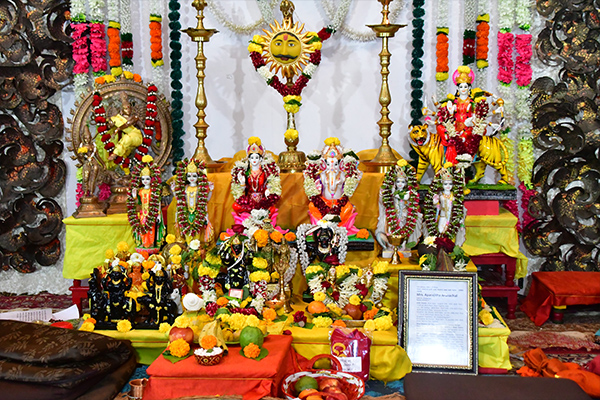
Rudra Centre Team celebrated the festival of Kites and Harvest “Makar Sankranti” in the Chakra Yog Hall. The celebrations began with a Makar Sankranti Surya Puja. Til laddos and ice-cream were distributed. The age old custom of ‘Haldi Kumkum’ was celebrated by the women staff. Each of them was presented with a traditional mogra garland, gift and sweets. Sakhashree Neeta enlightened the staff about the practical and spiritual significance of the festival. We pray this year brings a wave of happiness, contentment and riches to all. Happy Makar Sankranti!
Rudra Centre's Popular Makar Sankranti Products
Surya Radiance mala in silver
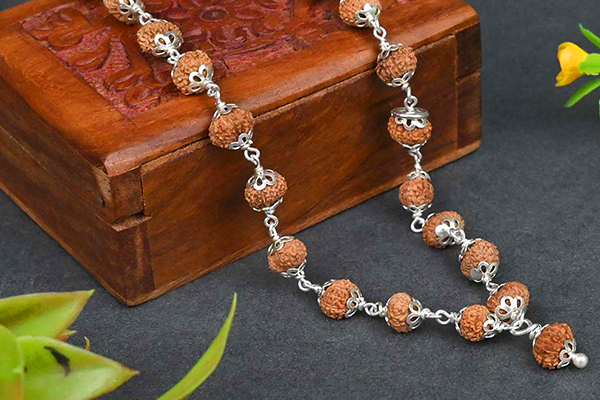
Surya Radiance Mala in silver made with 12 Mukhi Rudraksha beads of Java origin and silver caps is a beautiful accessory to wear every day and imbibe the benefits of 12 Mukhi Rudraksha. Sun being the ruling deity of 12 Mukhi Rudraksha, the wearer is blessed with the quality of Sun to move continuously with strength. Chanting the Mantras provided along with it enhances its powers. This Mala is strung according to the Rudraksha Ratna Chakra Therapy and it is available in two different sizes.
Surya Power
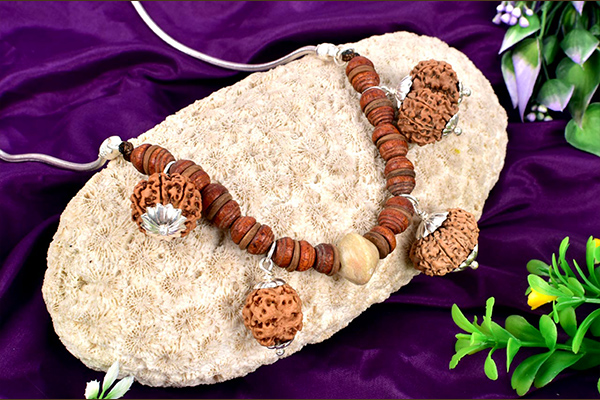
This unique neckpiece is thoughtfully designed according to the Rudraksha Ratna Chakra Therapy (RRCT). Beautifully strung in the combination of 3 mukhi, 7 mukhi, Gauri Shankar and 12 mukhi Rudraksha of Nepal origin, This divine Surya power combination enhances confidence and boosts the mental, emotional and physical powers of the wearer. Click to know more about this powerful product.
Makar Sankranti Puja and Homa
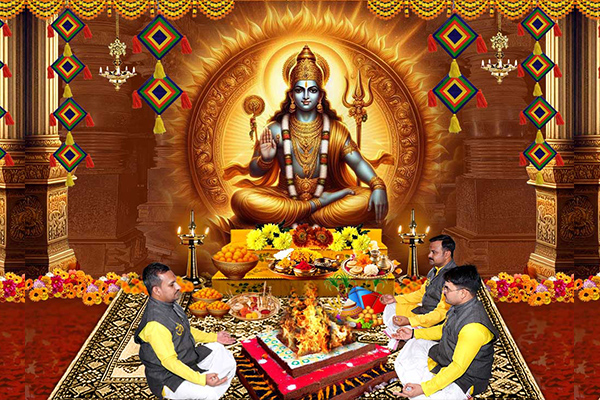
Book Makar Sankranti Puja and Homa
The Makar Sankranti Puja holds immense significance in Hinduism. This puja is performed in order to pacify the malefic effect of Saturn and Sun. This puja also removes the Shani Dosha and Surya Dosha if the Puja is done on this particular day.
Shree Gayatri Yantra - Gold - 6 inches
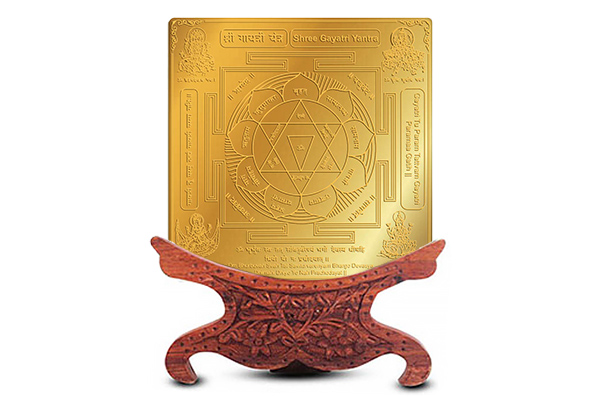
This powerful Gayatri Yantra is deeply inscribed on thick copper with gold finish. This Yantra holds the divine energies of Goddess Gayatri who is believed to bestow spiritual success and divine grace to lead a prosperous and peaceful life. Worshipping the Yantra and chanting the mantra regularly helps open the heart to receive the boundless grace of Goddess. It also helps in attracting positivity and peace. Click to know more.
Gayatri Statue - Brass
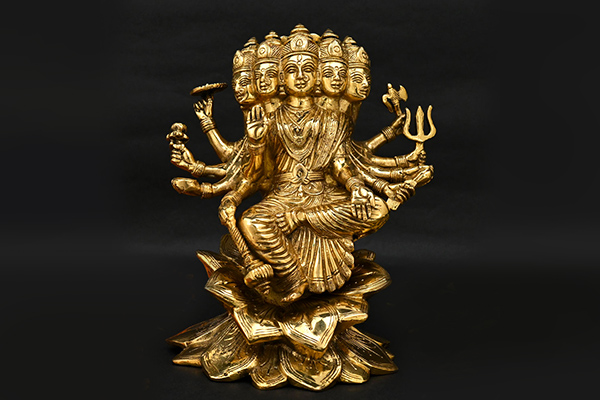
This elegant idol of Goddess Gayatri is elegantly crafted in heavy brass. In this idol She is shown having five heads and is carved in a seated pose within a lotus. The four heads of Gayatri represent the four Vedas and the fifth one represents almighty God. In Her ten hands She seen holding weapons of Lord Vishnu. You can place this divine idol in your house or at your wok desk. Click to know more.
Real Sunstone Shivalinga
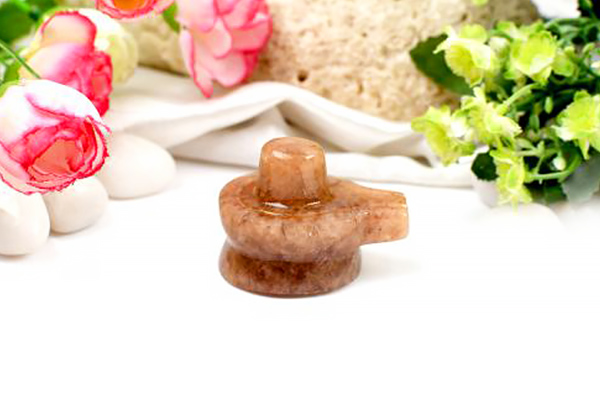
This beautiful Shiva Linga is beautifully carved in natural Sunstone gemstone. This Shiva ling exhibits warm shades of orange resembling the Sun. Praying over this Shiv Linga attracts prosperity. Sunstone encourages strength, abundance, prosperity, fame, optimism. Meditation upon the Sunstone Shivalingam would also promote self-empowerment. The Shivalingam can be placed and worshipped in the puja altar for blessings of harmony, bliss and spiritual progress.
Complete Holy Water Kit

This divine Holy Water Kit comprises of seven divine holy waters which are packaged carefully in bottles. This divine kit includes Ganga Jal, Narmada Jal, Gulab Jal, Waters from 7 Holy Rivers and Gomutra. This set also contains a beautiful spout pot for Abhishekam of your deity. Holy waters play a significant role in performing pujas and worshipping the deities. To know more about the products click here.
Red Sunstone round mala - 8 mm
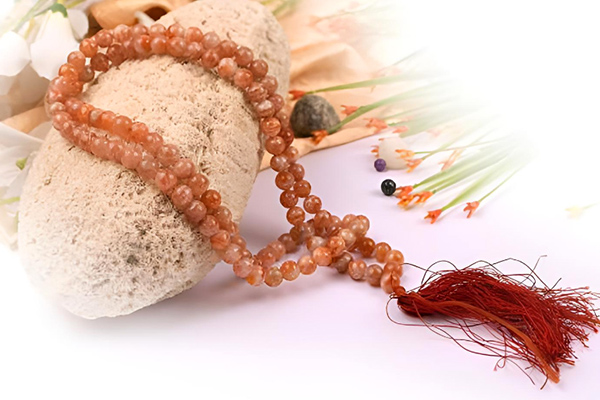
This beautiful mala is magnificently strung in natural red Sunstone in a traditional pattern. Sunstone is a very powerful gem which dispels fears and phobias of all kinds. It helps in removing depression and brings good luck and abundance. Wearing this sunstone mala is said to be beneficial for overall health and unblocks the Sacral Chakra.
-in-Astrology.jpg)
.jpg)


Comments 0
Leave your thought here